
Last updated November 15, 2026
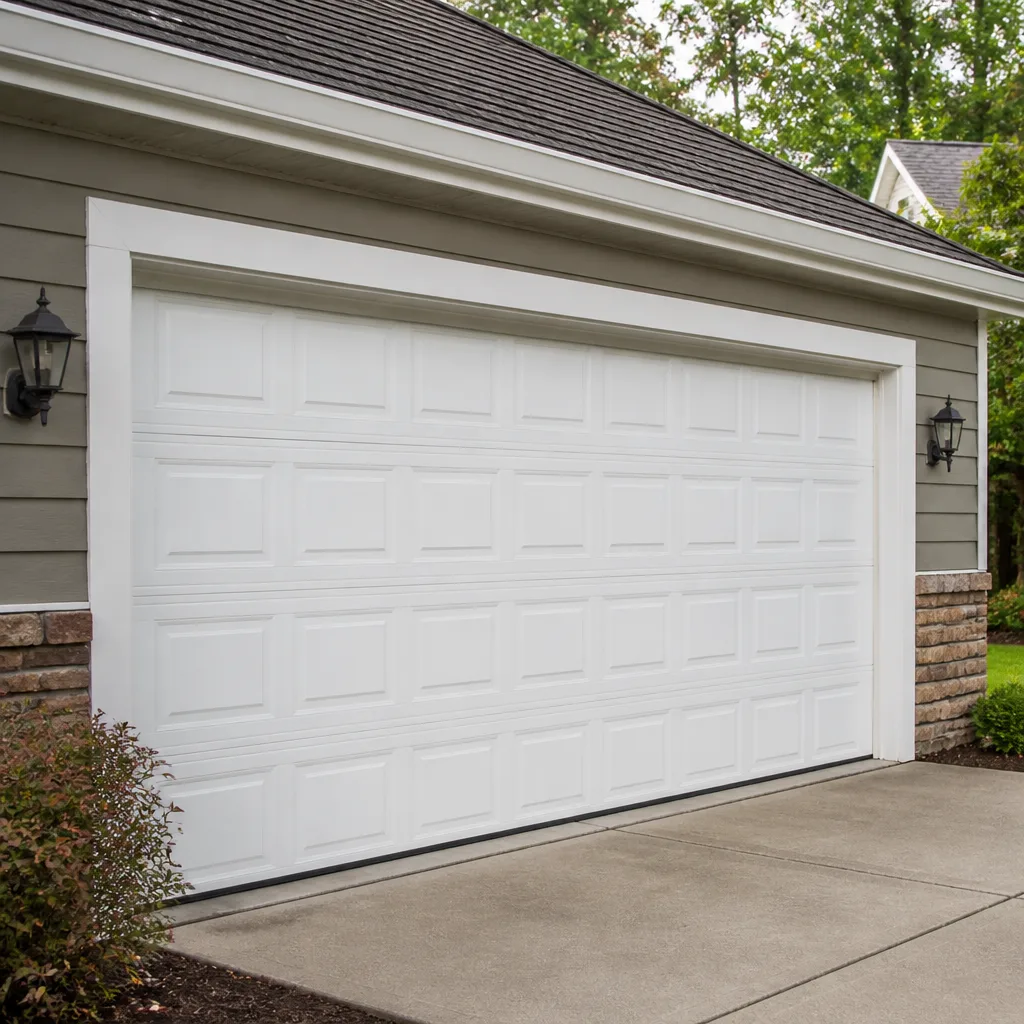 Raised-panel steel
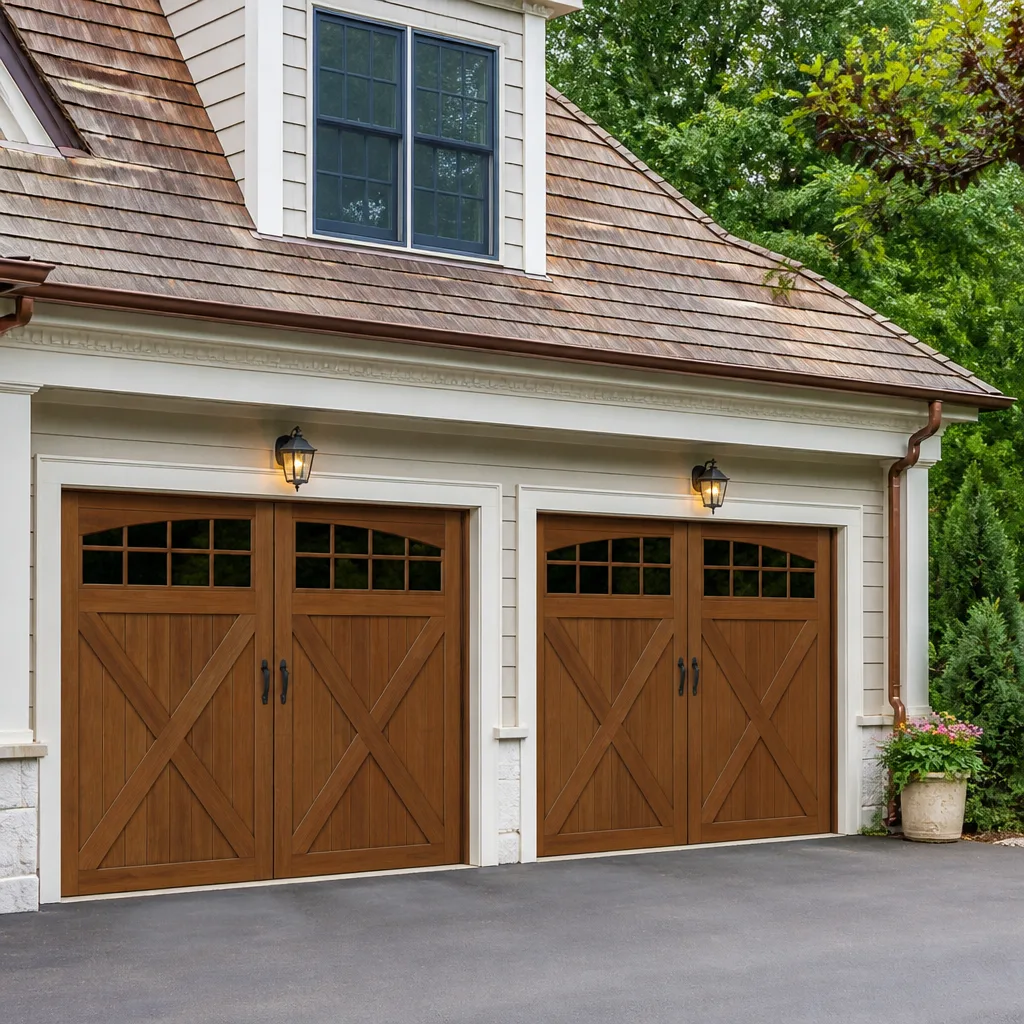 Carriage house
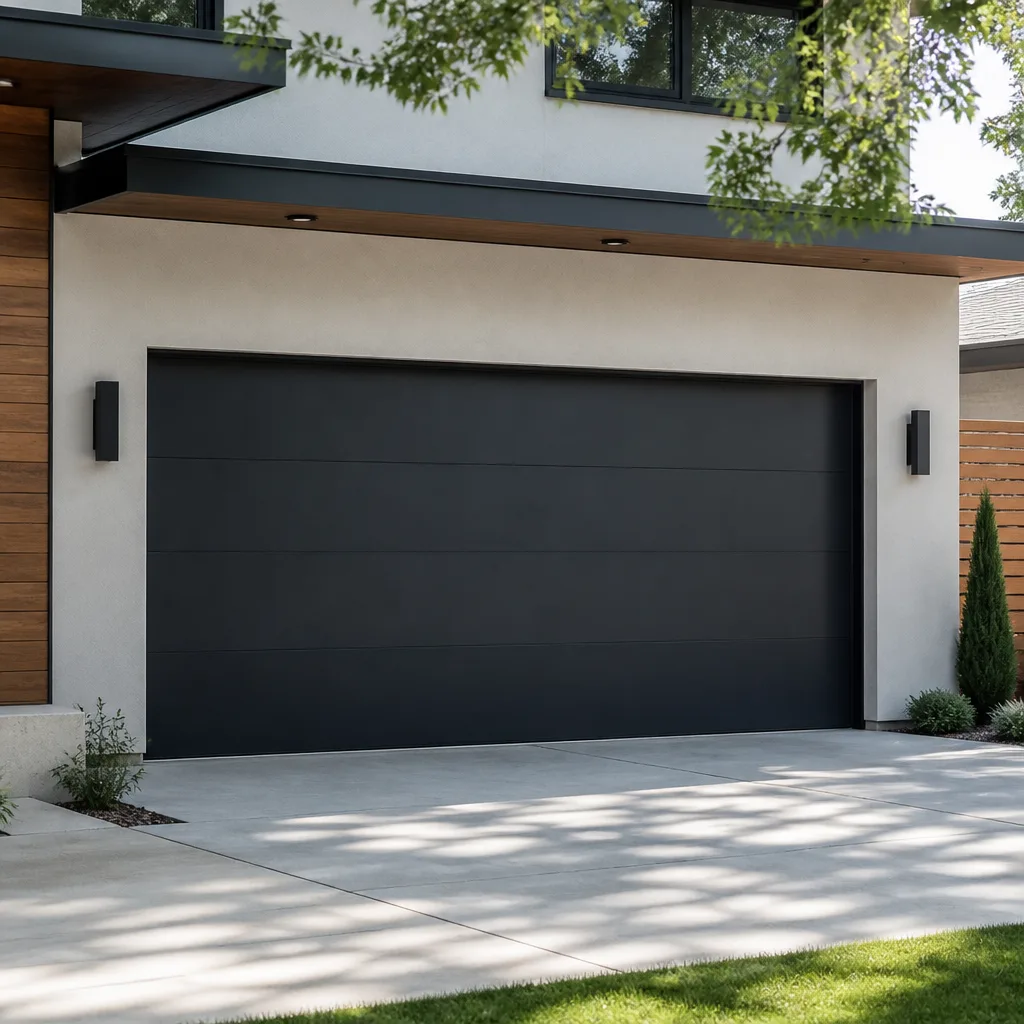 Modern flush
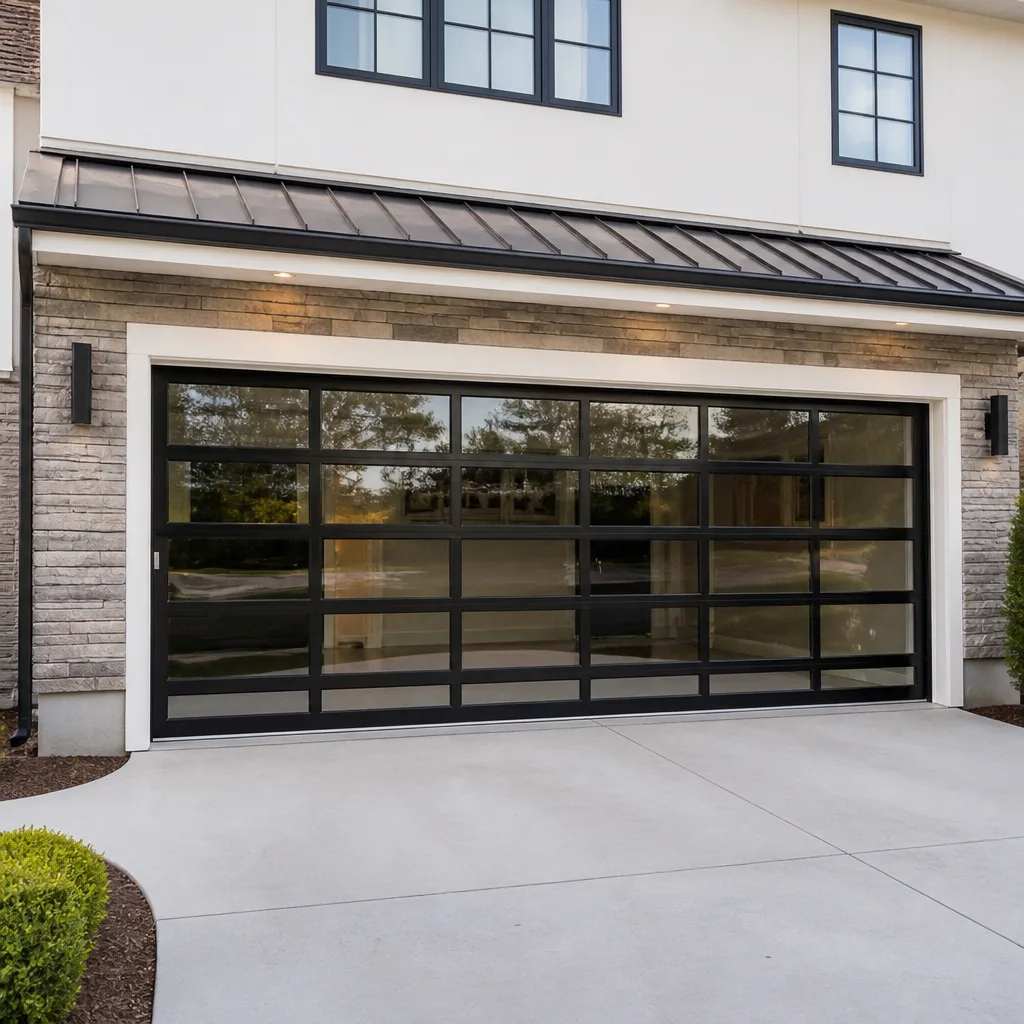 Full-view glass
 LiftMaster openers
 Chamberlain openers
Full 25-point door and opener safety check with every visit - springs, cables, rollers, tracks, and your LiftMaster or Chamberlain opener included
You get a price before we start. It does not change when the pro arrives.
Get your free estimateGarage Door Repair Maintenance Checklist for Pittsburgh Homeowners
Most garage door failures in Pittsburgh don’t start with a loud bang. They start in October, quietly, with a bottom seal that has gone stiff and a spring that’s been carrying more load than it should. The counterintuitive part is that the usual advice to “lubricate everything twice a year” can actually speed up wear here, because Pittsburgh’s freeze-thaw cycles and summer humidity attack different components in a fixed order, and treating them all the same way means you’re greasing parts that need replacing and ignoring the two inspections that prevent most winter breakdowns. This guide lays out a maintenance sequence built around what this climate actually does to a door, so you can catch problems while they’re still cheap to fix.
Quick Answer
A Pittsburgh garage door maintenance checklist should be ordered by climate exposure, not by a generic calendar: inspect and treat the bottom seal first, test spring balance second, then check and lubricate hardware third. Do the spring balance test and a full hardware inspection every fall before the first hard freeze, and again in spring after frost heave has had its way with your tracks. Anything that fails the balance test or shows cable wear is a repair, not a maintenance item.
Styles & brands we work with
- Raised-panel steel
- Carriage house
- Modern flush
- Full-view glass
- LiftMaster openers
- Chamberlain openers
Table of Contents
- Why the Order of Your Checklist Matters More Than the Schedule
- Step 1: The Bottom Seal Comes First in Pittsburgh
- Step 2: Testing Spring Balance Without Tools
- Step 3: Hardware, Rollers, and Hinges After the Seal and Springs
- Which Lubricants Actually Hold Up in Pittsburgh Temperature Swings
- The Post-Winter Inspection Most Pittsburgh Homeowners Skip
- Red Flags That Mean It’s Already a Repair
- A Practical Seasonal Calendar for Pittsburgh Doors
Why the Order of Your Checklist Matters More Than the Schedule
Most maintenance lists are organized by frequency: monthly, quarterly, annually. That works fine in a climate that stays roughly the same all year. Pittsburgh doesn’t. A door here lives through humid summers that swell wood and soften seals, a fall that swings between 30 and 70 degrees in the same week, and winters where the temperature crosses the freezing line repeatedly, sometimes daily. Each of those conditions attacks a different part of the door, and the parts interact.
Take the bottom seal as an example. When it hardens and stops sealing, cold air and moisture get under the door. That moisture freezes at the threshold, and the ice that forms puts lateral pressure on the bottom section and the tracks. The door starts binding slightly on the way up, which puts extra load on the springs. The springs wear faster, and by February the door is heavy and the opener is straining. None of that started with the springs. It started with a seal that cost very little to replace.
That’s the case for sequencing your checks by what the climate hits first. In our experience working on doors across Pittsburgh, the failures that surprise homeowners are almost always downstream of something small that went unaddressed a season earlier. Order your checklist the way the damage actually travels:
- Bottom seal and threshold first, because everything else is affected by moisture intrusion.
- Spring balance second, because it tells you how much load the rest of the system is carrying.
- Hardware, rollers, and hinges third, because those are judged against a door that’s already balanced.
- Tracks and alignment last, after frost season, because the ground under your slab moves and the tracks follow.
Follow that order and you’ll catch the small things before they cascade. Skip it and you’ll spend a Saturday oiling rollers on a door whose real problem is a stretched spring.
Step 1: The Bottom Seal Comes First in Pittsburgh
The bottom seal is the rubber or vinyl strip along the lowest panel, and it’s the first component to fail in this climate. Summer heat softens it, winter cold hardens it, and the constant flexing as the door opens and closes cracks it at the edges. Once it’s cracked, it stops sealing, and everything downstream gets worse.
Here’s what to check, in order:
- Run your hand along the seal (door fully open, opener disconnected from the door if you can do it safely). It should feel pliable, like a new rubber gasket. If it’s brittle, cracked, or leaves black residue on your fingers, it’s past its window.
- Look for daylight under the closed door. A thin line of light at the threshold means air and moisture are getting in. In Pittsburgh, that moisture freezes at the threshold and can lift the door slightly, which stresses the springs every time you open it.
- Check the corners where the seal meets the tracks. This is where ice dams form first, and where a torn seal usually starts.
- Look at the bottom section itself for rust or bubbling paint along the lower edge. If the steel is rusting through, the seal is no longer doing its job and the section may need attention too.
Replacing a bottom seal is one of the cheapest maintenance items on a garage door, and in Pittsburgh it buys you the most. A seal that holds keeps the threshold dry, and a dry threshold means no ice jacking the door up and no freeze-thaw cycling at the bottom panel.
If you’re not sure whether your seal is past its window, that’s a reasonable thing to have checked during a routine garage door repair visit. We’d rather look at a seal than replace a spring.
Step 2: Testing Spring Balance Without Tools
The balance test is the single most useful check a homeowner can do, and it requires no tools. It tells you whether the springs are still carrying their share of the door’s weight, and it’s the fastest way to know if you’re heading toward a failure before winter.
Here’s the safe way to do it:
- Close the door and disconnect the opener using the manual release cord (usually a red handle hanging from the trolley). The door should now move freely by hand.
- Lift the door to about waist height, then let go. A properly balanced door stays put or drifts very slowly. A door that sags or drops is telling you the springs are losing tension.
- Lift the door to about shoulder height and let go again. Same test, same expectation.
- Lift it all the way open and lower it by hand. It should feel smooth and consistent, with roughly the same effort at the bottom as at the top. A door that’s easy at the bottom and suddenly heavy near the top has a spring problem.
- Reconnect the opener and cycle the door once to confirm it runs normally.
What uneven lift tells you: if one side of the door rises faster than the other, or the door feels heavier on one side, you have either a spring that’s lost tension relative to its partner or a cable that’s stretched. On a two-spring door, mismatched spring tension is common and gets worse over time. It’s also a sign that the springs are near the end of their service life.
One safety point that matters more than the test itself: garage door springs are under high tension, and the torsion springs mounted above the door or the extension springs along the tracks can cause serious injury if you try to adjust or remove them yourself. Never attempt to wind, unwind, or replace a spring. If the balance test shows a problem, that’s the point to call a professional. Our technicians have up to 12 years of experience with spring systems, and we can tell you in a few minutes whether you’re looking at a simple adjustment or a spring replacement.
Step 3: Hardware, Rollers, and Hinges After the Seal and Springs
Only after you’ve checked the seal and tested the balance does it make sense to look at hardware. A door that’s carrying extra load from a tired spring will show accelerated wear on its rollers and hinges, so judging hardware on an unbalanced door gives you a false picture.
What to check, and what you’re looking for:
- Rollers: Nylon rollers should spin freely and show no flat spots. Steel rollers should be round and quiet. Flat-spotted rollers thump as the door moves and speed up wear on the tracks.
- Hinges: Look for loose screws, elongated holes, and rust at the pivot points. A hinge that’s wallowed out in its mounting hole lets the door sag and puts stress on the panels.
- Cables: Run your eye along each cable from the drum to the bottom bracket. Frayed strands, kinks, or rust are all replacement signals. Cables are under tension too, so don’t handle them beyond a visual check.
- Track bolts and brackets: Loose bolts let the tracks shift, which causes the door to bind. Check that the tracks are plumb and parallel by eye, and look for bolts that have backed out.
- The opener rail and trolley: The rail should be straight, and the trolley should move smoothly without jerking. A jerky trolley often points to a worn gear or a logic board issue in the opener, which is a different repair from the door itself.
If your opener is the part acting up, that’s a specific kind of work. We handle garage door opener repair as its own specialty because the electronics and motor systems on a LiftMaster or a Genie have their own failure patterns that have nothing to do with the door’s mechanical balance. Diagnosing the door first and the opener second saves you from replacing parts you don’t need.
Which Lubricants Actually Hold Up in Pittsburgh Temperature Swings
This is where the generic advice causes real damage. The common instruction to “spray lubricant on all moving parts” doesn’t specify which lubricant, and the wrong one turns into a sticky mess when the temperature drops below 20°F. Pittsburgh gets plenty of mornings in that range, and a lubricant that gums up will make your door bind, strain the opener, and accelerate wear on the very parts you were trying to protect.
What works and what doesn’t:
- White lithium grease: Good for hinges and the torsion spring coils in moderate temperatures, but some formulations thicken in serious cold. If you go this route, use a low-temperature version and apply it sparingly.
- Silicone spray: The safest general choice for Pittsburgh. It stays fluid across a wide temperature range, doesn’t attract dirt the way grease does, and works well on rollers, hinges, and the bottom seal. It won’t gum up at 10°F.
- Garage door specific lubricant: Formulated for the job, usually a lithium or silicone blend. Fine to use if the label confirms cold-temperature performance.
- WD-40 (the standard formula): Not a lubricant. It’s a solvent and water displacer, and it will strip existing lubricant and leave the part drier than it started. Don’t use it on hinges, rollers, or springs.
- Motor oil, motor grease, or anything meant for a car: Attracts grit, which becomes an abrasive paste on rollers and track. Avoid.
How to apply it: a light coat is enough. Wipe off excess. On rollers, put a drop on the bearing, not the whole wheel. On hinges, a small amount at the pivot. On the torsion spring, a light spray along the coils, not a soaking. On the bottom seal, a silicone spray keeps it pliable through the cold and is one of the most effective things you can do for it in October.
One rule that saves a lot of trouble: lubricate moving parts, never the tracks. The tracks are meant to be dry and clean so the rollers can roll rather than slide. Greasing the tracks is a common mistake and it collects grit until the door drags.
The Post-Winter Inspection Most Pittsburgh Homeowners Skip
Almost everyone does a fall inspection before winter. Far fewer do the spring one, and that’s the inspection that prevents the summer failures. The reason is frost heave. Pittsburgh’s ground freezes and thaws through the winter, and the slab under your garage floor moves with it. That movement shifts the track brackets a small amount each cycle, and by March the tracks are no longer plumb and parallel.
A door that ran fine in November can be binding in April because a track has moved a quarter inch. The homeowner hears the door strain and assumes the opener is going bad, when the real problem is alignment. Here’s what to check after the thaw, specifically:
- Track alignment: With the door closed, look up each track from the bottom. Both should run straight and parallel to the door’s edge. A track that bows out or in at one point is a frost-heave symptom.
- Track brackets and floor anchors: Check for loose bolts and any bracket that has pulled slightly away from the wall or floor. These are the parts that move first.
- Bottom seal condition: Winter is the hardest season on the seal. Recheck it in spring; if it’s cracked or hardened, replace it before summer heat finishes the job.
- Threshold condition: Look for spalling or crumbling concrete at the threshold where ice has been sitting. A damaged threshold won’t seal no matter how good the seal is.
- Balance test again: Springs that survived winter may have lost tension to the cold. Repeat the balance test from Step 2.
- Panel alignment: Close the door and look along the panel gaps. If the door has shifted, the gaps will be uneven, which points back to track and hinge issues.
Track realignment is a job for a technician. A track that’s been knocked out of plumb may need to be re-anchored, not just pushed back into place, and a door that’s been binding for weeks may already have roller or hinge damage from the misalignment. If you’re in Squirrel Hill, Shadyside, Mount Lebanon, or anywhere else around Pittsburgh, a spring inspection is usually the right time to have the tracks looked at too.
Red Flags That Mean It’s Already a Repair
Maintenance catches problems early. Repair handles what’s already happened. The line between the two is where a part has passed its service window and is now a liability. When you see any of these, stop treating it as a maintenance item:
- A door that won’t stay at waist height during the balance test. That’s a failed spring, not a stretching one. Springs don’t recover tension, and a door that drops on its own is a door that can drop on a person.
- A visible gap in the torsion spring coil. The spring has broken. Don’t run the opener; it will strain the motor and could damage the door.
- Frayed or kinked cables. A cable can snap without warning once strands are compromised, and a snapped cable on an open door can cause serious injury or property damage.
- A door that hangs crooked when fully closed. Uneven gaps at the bottom or sides point to a cable or spring that’s failed on one side. This one worsens quickly.
- Grinding or scraping sounds from the opener or track. Metal-on-metal noise means something is misaligned or worn past tolerance. Continuing to run the door accelerates the damage.
- The door reverses without an obstruction. That’s a safety sensor or logic board issue, and on a door that’s used every day it needs diagnosis rather than a cleaning spray.
- A bottom section that’s rusted through or separating from the panel above. This is structural, not cosmetic. The door is no longer safe to operate.
One more: if the door has been binding for more than a few weeks, don’t lubricate it again and hope. Binding is a symptom of something out of adjustment, and repeated lubrication on a binding door just masks the real issue until a part fails. If any of these describes your door, call a technician before the next cycle.
When to Call a Professional
Some maintenance is homeowner work: the balance test, the visual checks, cleaning and lubricating the moving parts with the right product, and keeping the tracks clean. Some is not. Springs, cables, and anything requiring the door to be lifted off its normal travel carry real injury risk and should be left to a trained technician. Call a professional when the balance test fails, when you see cable fray or a gap in a spring coil, when the door hangs uneven, when the opener runs but the door doesn’t move smoothly, when the safety reverse test fails, or when you hear grinding from the track or opener. Same-day service is available for repair calls, and Tidewater Garage Door Repair offers free estimates in Pittsburgh. Call (844) 643-1812. We answer 24/7, with fast dispatch from 7am to 7pm, Sunday through Friday. The written estimate is set before any work begins.
See the difference
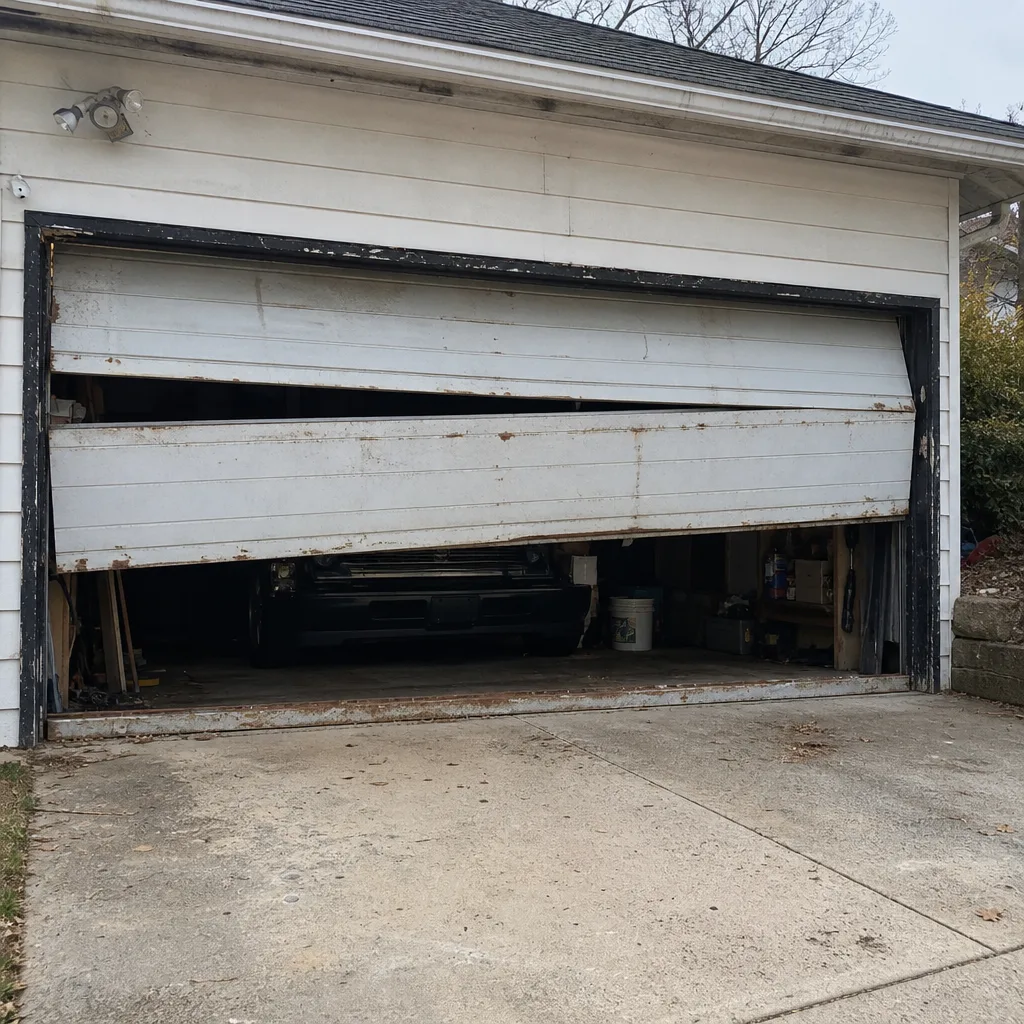 Before
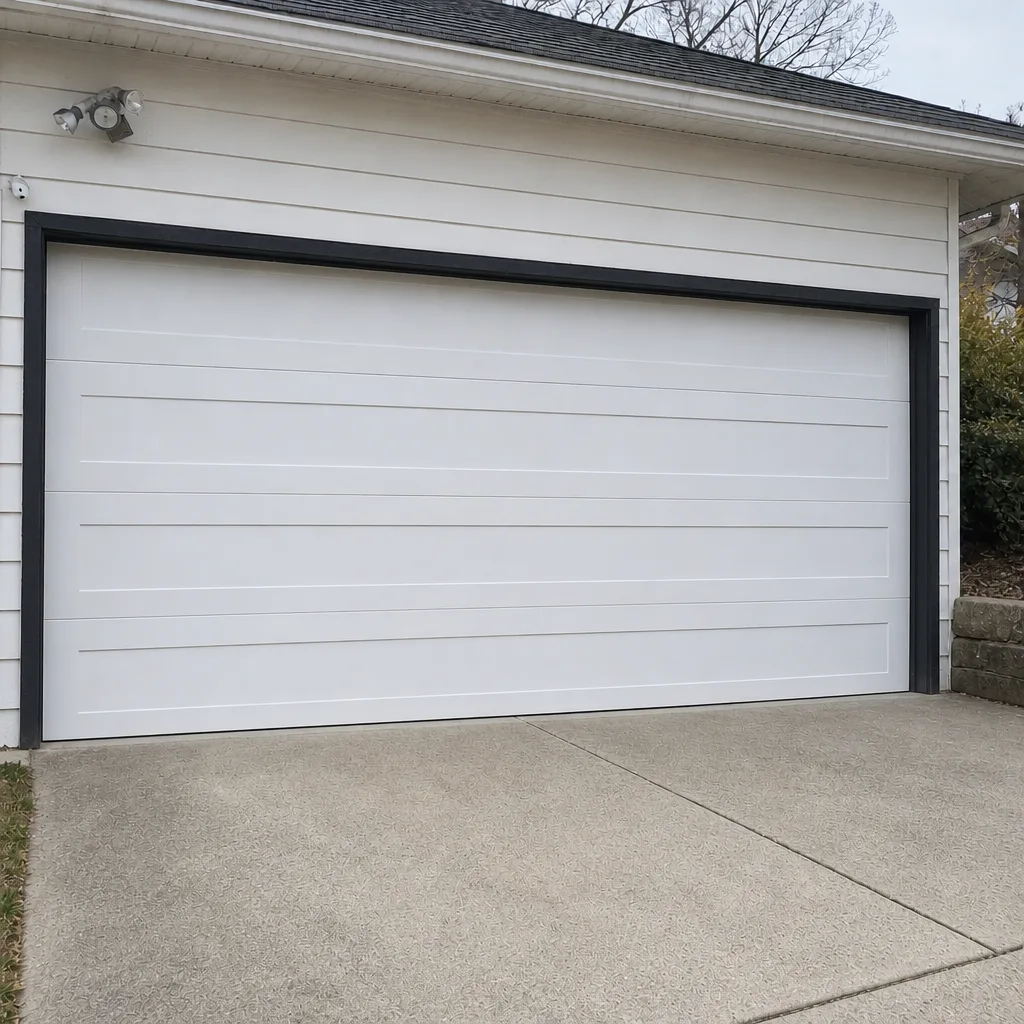 After
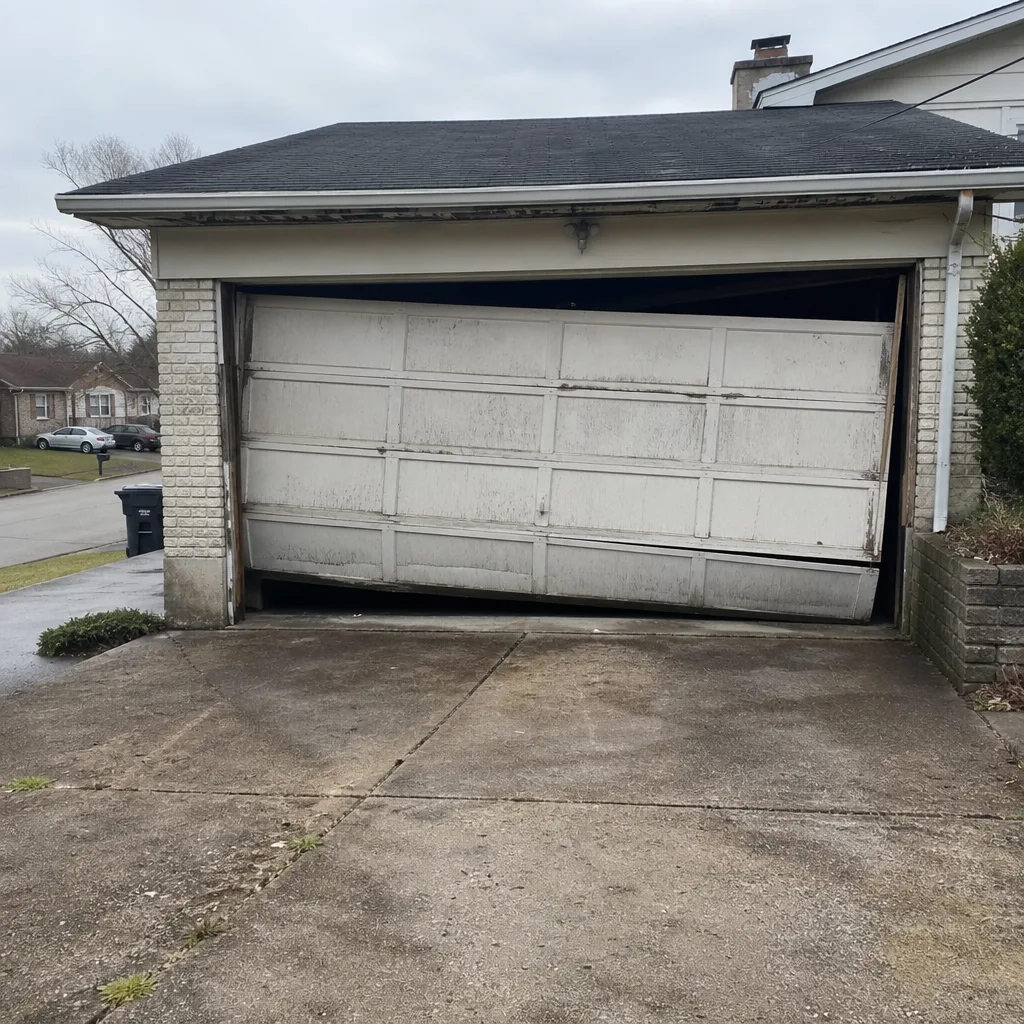 Before
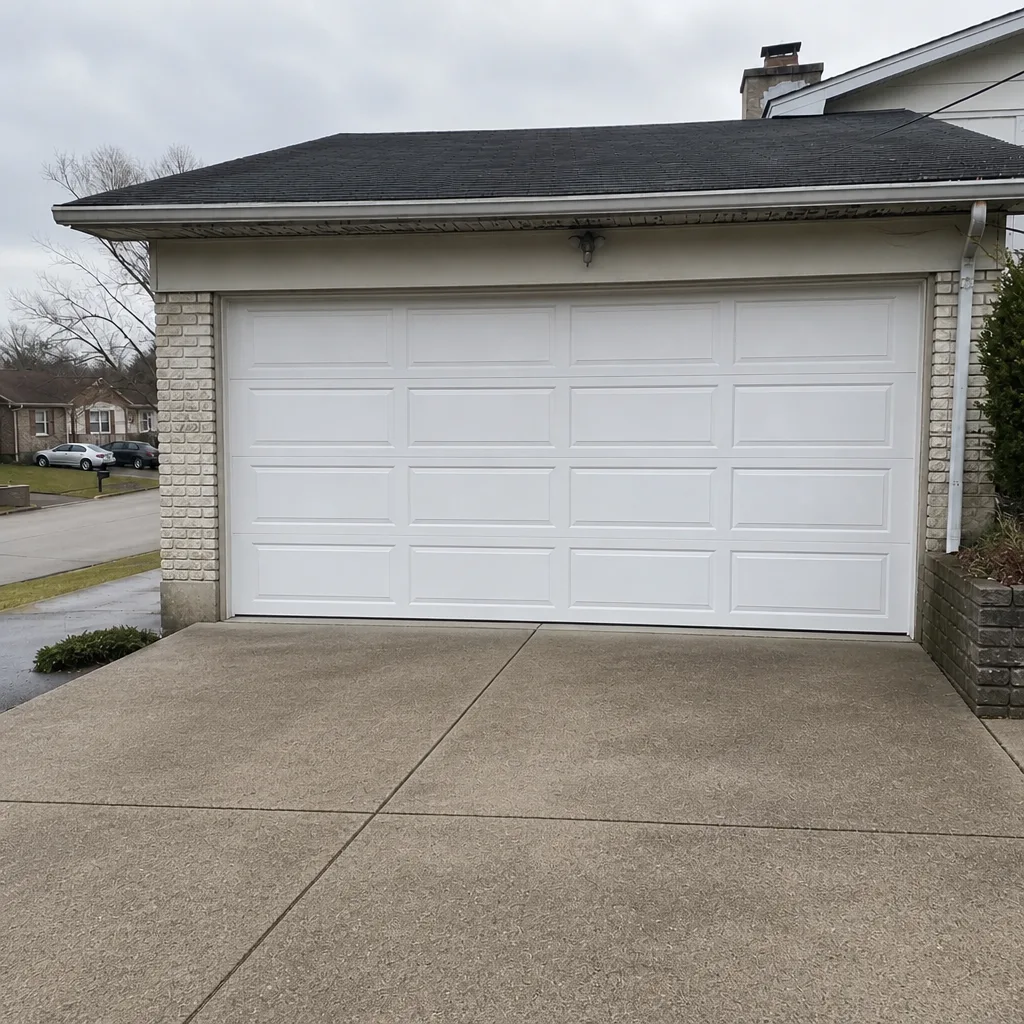 After
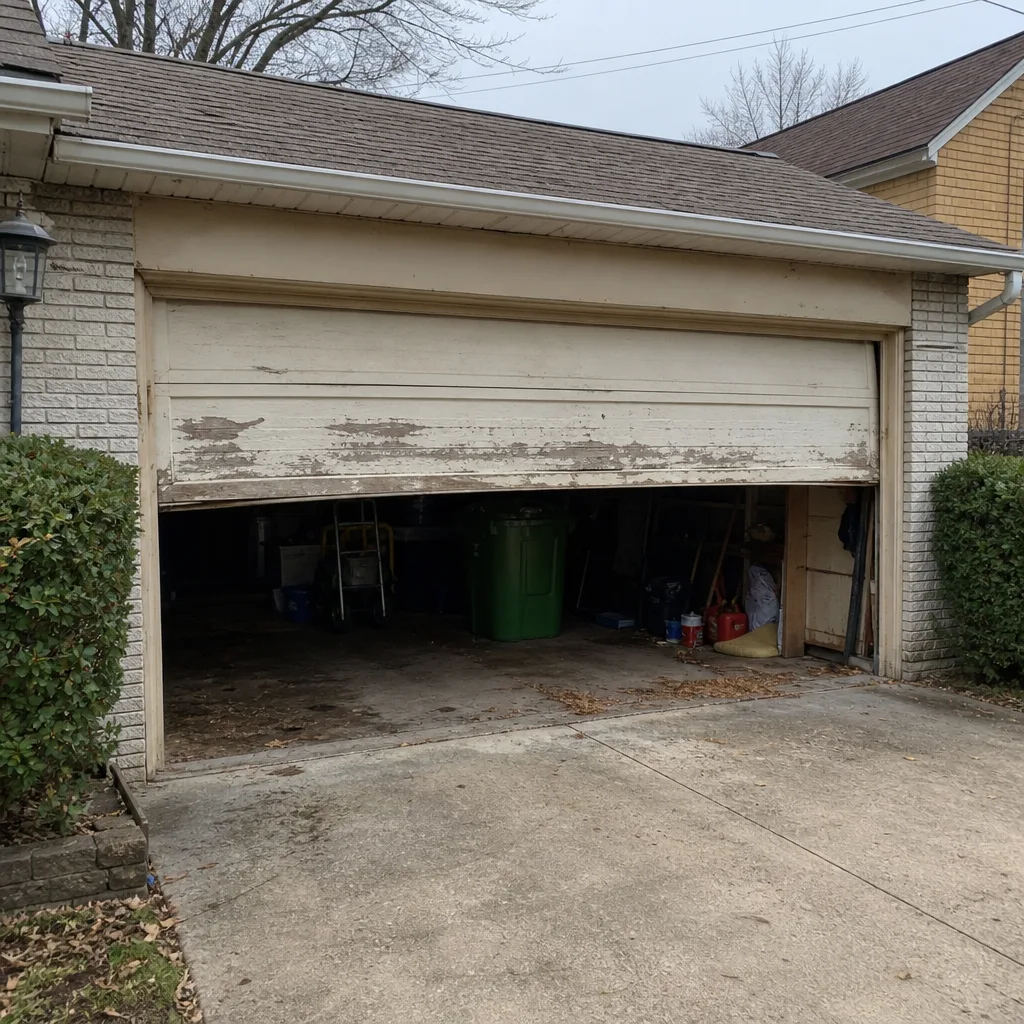 Before
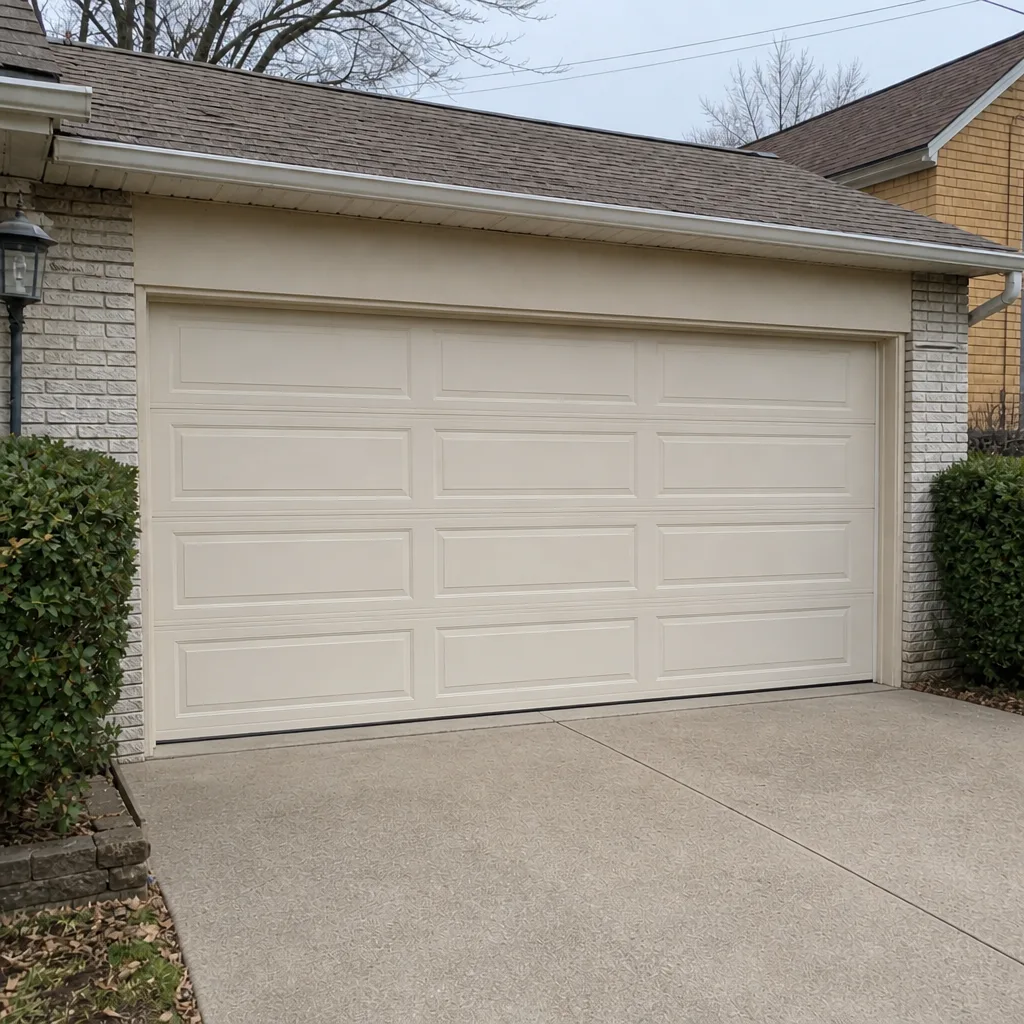 After
Frequently Asked Questions
Do a full check twice a year: once in early fall before the first hard freeze, and once in early spring after the ground thaws. The fall check is about keeping moisture out and confirming spring balance for the cold months. The spring check is about catching frost-heave track shifts before summer heat and daily use turn a small misalignment into roller and hinge wear.
Cold-weather binding usually comes from one of three things: a lubricant that thickened below 20°F, a bottom seal that hardened and is catching on ice at the threshold, or a track that shifted slightly when the ground froze. The order to check is seal, then lubricant, then track alignment. If the door binds only when it’s cold and runs fine above freezing, that points to lubricant or seal. If it binds year-round, the track or a spring is the more likely cause, and that’s worth a professional look.
No. Torsion and extension springs are under high tension, and the tools required to wind them can release stored energy with enough force to cause serious injury. This is one of the few garage door jobs that should always go to a trained technician. If your balance test shows a weak or broken spring, stop operating the door and call for service. Call (844) 643-1812 for a free estimate.
A silicone spray or a garage door specific lubricant rated for cold temperatures is the safe choice. Both stay fluid across Pittsburgh’s winter range and won’t gum up at 10°F or below. Avoid standard WD-40 on moving parts, because it strips lubricant rather than adding it, and avoid motor oil or automotive grease, which collect grit and turn into an abrasive paste on rollers.
Springs losing tension, and it usually shows up in winter when the door is heaviest. The second most common is a bottom seal that’s hardened and stopped sealing, which lets moisture in at the threshold and puts extra load on the rest of the system. Both are preventable with a fall check, and both become repairs if the check is skipped.
Start with the door. A strained opener is often reacting to a door that’s out of balance or binding in its tracks rather than a failed motor. Disconnect the opener, run the balance test, and look at the track alignment. If the door moves freely by hand and is balanced, then the opener itself is the likely issue, and that’s where brand-specific diagnosis matters. We work on LiftMaster, Chamberlain, Genie, Craftsman, and other major systems, so we can identify the actual failing part rather than replacing the unit.
Common Mistakes to Avoid
- Lubricating in the wrong order. Greasing rollers on a door with a failing spring only masks the real problem and lets the spring wear further before you notice. Do the seal and balance checks first, then lubricate.
- Greasing the tracks. The tracks are meant to be clean and dry. Grease on the tracks collects grit and turns into a paste that makes the door drag. Rollers roll, they don’t slide.
- Using WD-40 as a lubricant. It’s a solvent, not a lubricant, and it will strip the grease off hinges and rollers. In a Pittsburgh winter that leaves parts drier and more likely to bind than before.
- Skipping the spring post-winter inspection. The ground movement that happens over a Pittsburgh winter shifts track brackets. A door that ran fine in November can bind in April. A quick look at track alignment after the thaw prevents a whole summer of wear.
- Ignoring a stiff bottom seal. It’s easy to ignore the seal because it’s the least dramatic part on the door. But it’s the first line of defense against moisture at the threshold, and once it fails, ice and water start working on the bottom panel and the tracks.
- Using the wrong lubricant in cold weather. A grease that thickens below 20°F makes the door strain and accelerates wear on the opener. Silicone or a cold-rated garage door lubricant is the right call.
- Running the opener on a broken spring or frayed cable. This causes opener motor damage and can damage the door itself. If a spring or cable has failed, stop using the door until it’s repaired.
A Practical Seasonal Calendar for Pittsburgh Doors
If a calendar is easier to follow than a sequence, here’s how the checklist maps to the year in this climate. Note that the calendar follows the seasons, not a fixed month, because the first hard freeze in Pittsburgh can arrive anywhere from late October to early December.
- Late summer (before the first freeze): Bottom seal check and silicone treatment. Spring balance test. Hardware and roller inspection. Full lubricant application with a cold-rated product.
- Deep winter (visual checks only, door closed): Listen for new noises. Look for daylight under the door. Watch for ice build-up at the threshold. Don’t handle parts in the cold, since metal and rubber are more brittle and your grip is less reliable.
- Early spring (after the thaw): Track alignment and bracket check. Bottom seal recheck. Balance test again. Threshold condition check. Panel alignment check.
- Late spring (before the first heat): Clean tracks thoroughly. Reapply silicone to the seal. Check the opener for gear wear and listen for the trolley running smoothly. Summer heat expands seals and door panels, and a door that ran fine in April can show new gaps in June.
One note on the calendar: the two inspections that do the most work are the fall balance test and the spring track check. If you do nothing else, do those. They catch the two failure modes that cascade into the most expensive repairs. Everything else on the list is worth doing, but those two are the ones that protect the rest.
We know these systems well because we work on them every day. The eight major brands we service include Clopay, Amarr, Wayne Dalton, and Craftsman, along with LiftMaster, Chamberlain, Genie, and Raynor. Brand-matched diagnosis matters in maintenance because each manufacturer’s hardware wears in its own pattern, and knowing those patterns is how you tell a part that’s just due for lubrication apart from a part that’s already past its window.
The Bottom Line
Pittsburgh’s climate doesn’t fail garage doors randomly. It works through them in a sequence, starting at the bottom seal and moving through the springs, hardware, and tracks. A maintenance checklist built around that sequence catches problems while they’re cheap, and the two inspections that matter most are the fall balance test and the spring track check. Lubricate with silicone or a cold-rated product, never standard WD-40, and keep the tracks dry. Anything that fails the balance test or shows cable wear is a repair, not a maintenance item. If you’d rather have a technician walk through the checklist with you, that’s what we do. Call (844) 643-1812 for a free estimate. We answer 24/7. Fast dispatch from 7am to 7pm, Sunday through Friday, closed Saturday.
Start from the Tidewater Garage Door Repair page if you want to see the full range of what we work on before you call.
Written by the team at Tidewater Garage Door Repair.