
Last updated November 15, 2026
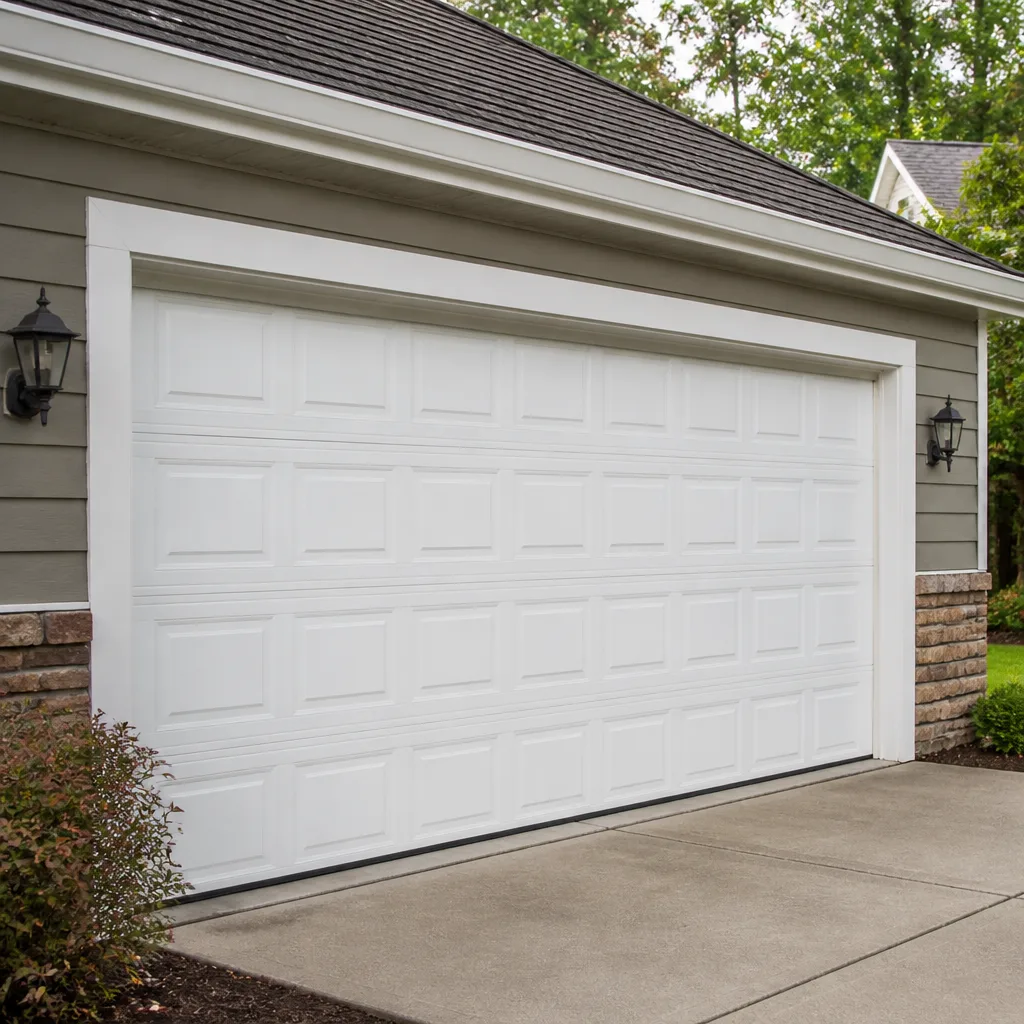 Raised-panel steel
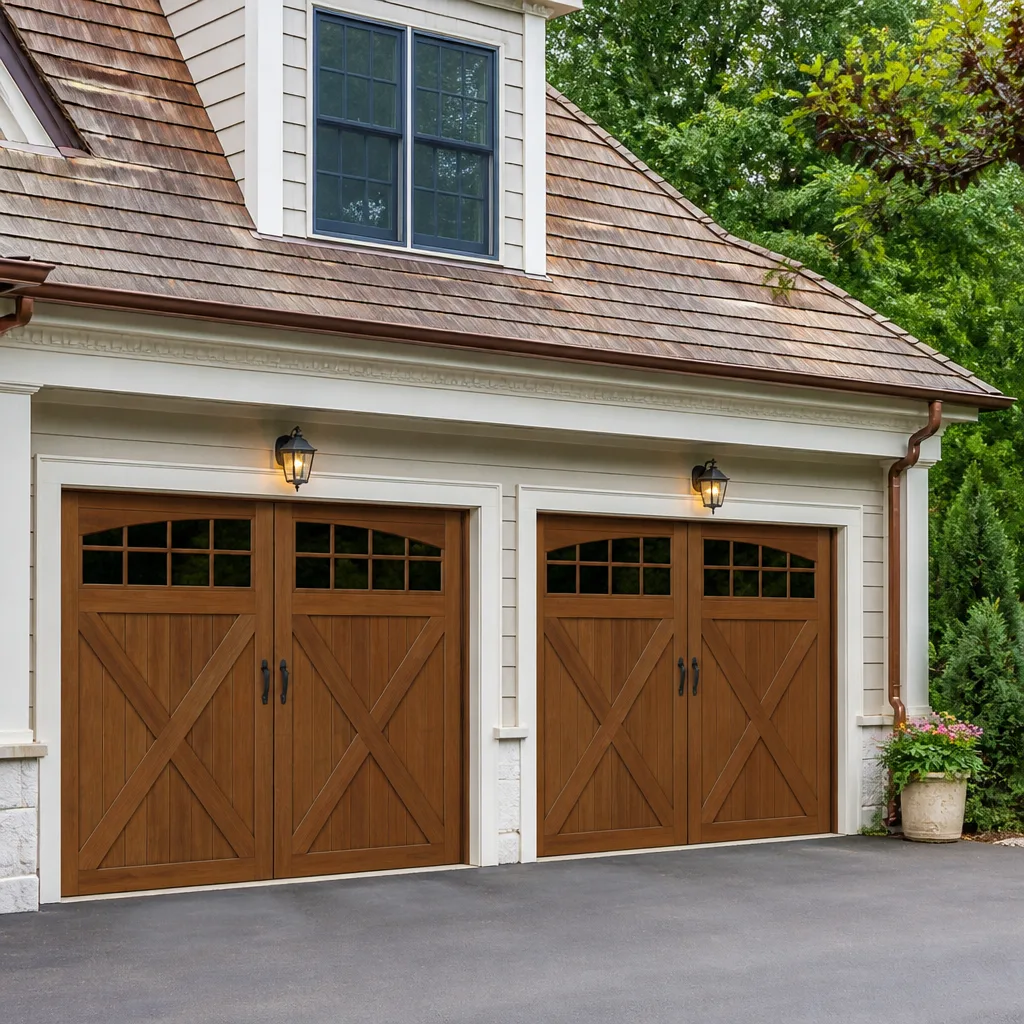 Carriage house
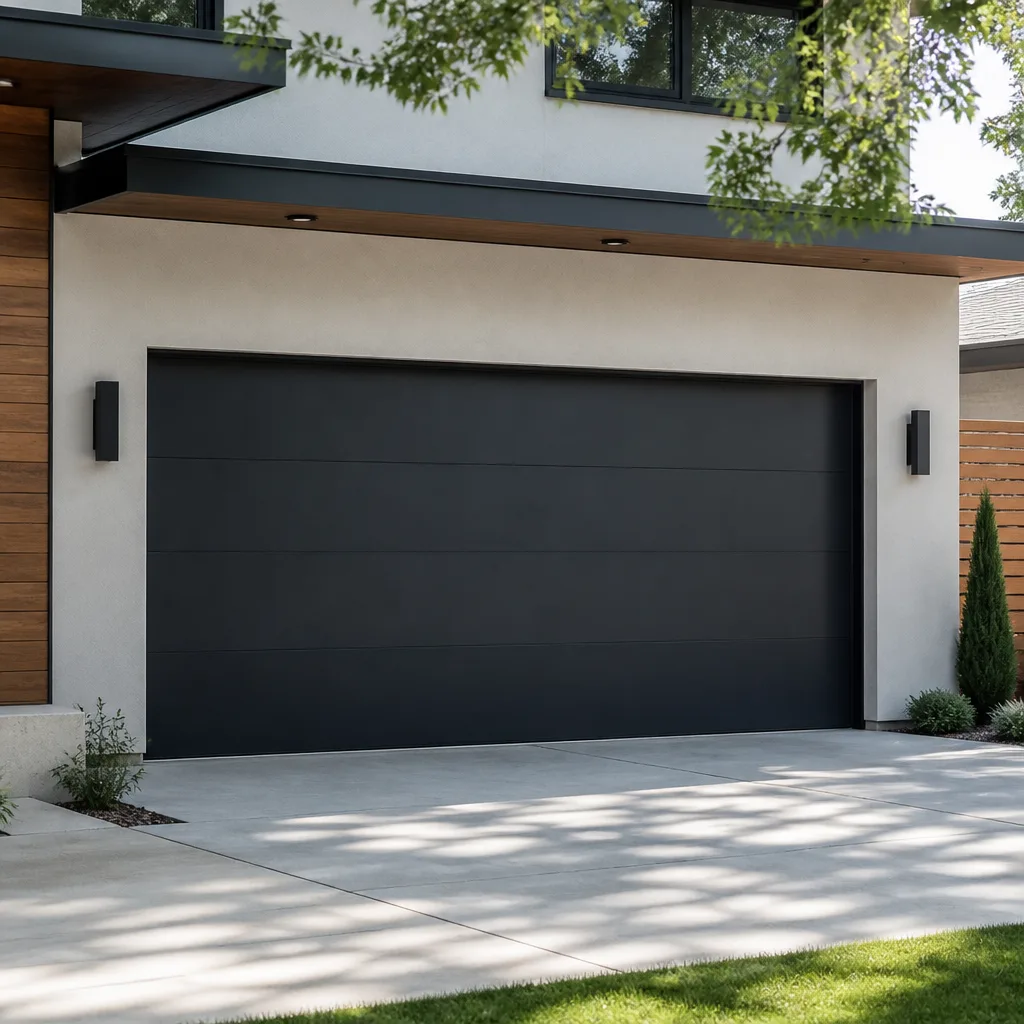 Modern flush
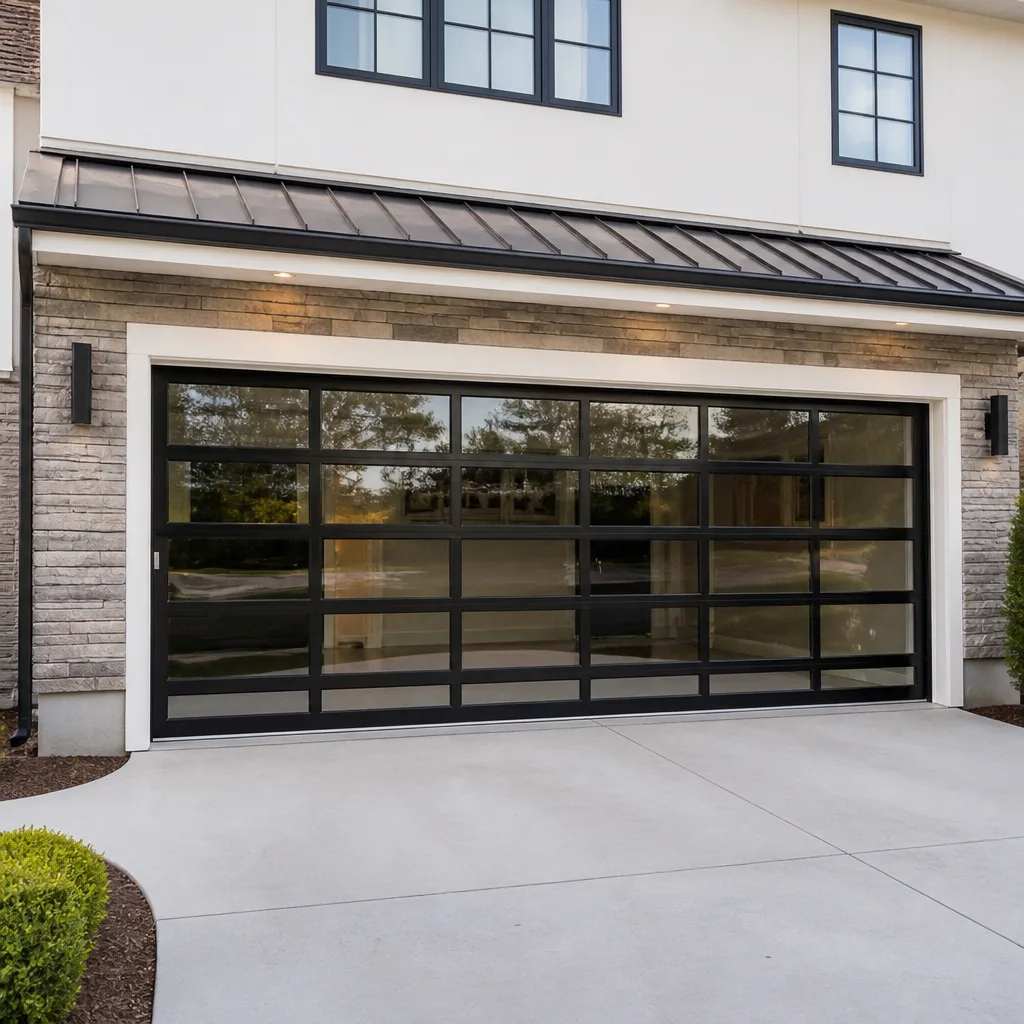 Full-view glass
 LiftMaster openers
 Chamberlain openers
Full 25-point door and opener safety check with every visit - springs, cables, rollers, tracks, and your LiftMaster or Chamberlain opener included
You get a price before we start. It does not change when the pro arrives.
Get your free estimateGarage Door Warning Signs: A Pittsburgh Homeowner’s Reference Guide
A grinding noise and a door that moves slowly are both called “warning signs,” but they don’t belong in the same category. One often means you have weeks to act. The other can mean you’re one cold morning away from a door that won’t open, or worse, a spring that lets go while someone is standing underneath it. Treating every symptom with the same level of alarm, or the same level of neglect, is how a small repair turns into an emergency. This guide maps each warning sign to the part that’s actually failing, rates how urgent it is, and explains why Pittsburgh‘s freeze-and-thaw winters make certain symptoms show up faster here than they might elsewhere.
Quick Answer
Garage door warning signs fall into three urgency tiers: stop using the door immediately (broken spring, frayed or snapped cable, a door that comes down too fast, or a door that’s come off its track), schedule repair soon (worn rollers, a door that drifts or won’t stay level, opener straining or reversing for no reason), and monitor (cosmetic dents, faded paint, minor weatherstripping wear). In Pittsburgh, cold snaps between December and March tend to turn “monitor” signs into “schedule soon” signs faster than homeowners expect, so anything that appears suddenly in freezing weather deserves a closer look.
Styles & brands we work with
- Raised-panel steel
- Carriage house
- Modern flush
- Full-view glass
- LiftMaster openers
- Chamberlain openers
Table of Contents
- The Symptom-to-Cause Index: What Each Warning Sign Actually Means
- Which Warning Signs Are Safe to Monitor and Which Mean Stop Using the Door
- How Pittsburgh’s Cold Amplifies Garage Door Warning Signs
- Opener Warning Signs vs. Door and Hardware Warning Signs
- Warning Signs Specific to Pittsburgh’s Common Door Types
- A Seasonal Checklist for Pittsburgh Garage Doors
- Common Mistakes to Avoid
- When to Call a Professional
The Symptom-to-Cause Index: What Each Warning Sign Actually Means
Most warning-sign guides stop at the symptom. A loud door is a loud door. But knowing whether the noise is coming from a roller, a hinge, or a torsion spring changes what you do next and how soon you need to do it. Here’s how we map the warning signs we encounter most often on Pittsburgh garage doors to the component that’s usually behind them.
- Loud bang from above the door, door won’t lift: Almost always a broken torsion or extension spring. Stop using the door.
- Door lifts a few inches and stops, cable hanging loose: A snapped or slipped cable. Stop using the door.
- Door comes down faster than it should, or slams: Spring tension loss or a cable problem. Stop using the door until it’s inspected.
- Grinding or squealing while the door moves: Worn steel rollers, dry hinges, or a failing bearing plate. Schedule soon.
- Door drifts down a few inches after you let go at halfway: Loss of spring balance. Schedule soon.
- Opener runs but the door doesn’t move: Stripped gear in the opener, a broken spring, or a disconnected emergency release. Diagnose before replacing anything.
- Door reverses before touching the floor: Misaligned safety sensors or a binding track. Schedule soon.
- Visible dents, rust spots, peeling paint: Cosmetic until rust reaches a hinge or a panel seam. Monitor.
Notice that the first three items share one trait: the door is under uncontrolled tension. Those are the ones that matter most.
Which Warning Signs Are Safe to Monitor and Which Mean Stop Using the Door
A warning sign is only useful if it tells you how much time you have. That’s the piece most homeowners never get. Here’s how we think about urgency, in plain language.
Tier 1: Stop using the door immediately
Any symptom that puts a person near a component under tension is a stop-now sign. That includes a broken spring, a frayed or snapped cable, a door that free-falls, a door that has jumped its track, and any door making a sharp cracking sound followed by a sudden loss of lift. Torsion springs and the cables that run alongside them hold hundreds of pounds of force even on a lightweight door. A spring under load can release that force without warning, and the result is a serious injury risk to anyone in the path. This is not a job for a homeowner with a wrench and a video tutorial. It requires a trained technician with the right winding bars and the right procedure. The same goes for anything that could let a heavy door drop on a person or a vehicle.
Tier 2: Schedule repair soon
Worn rollers, dry hinges, a door that won’t stay balanced at the halfway point, an opener that strains or reverses on its own, and a door that shudders on its way up are all signs of a component in decline. None of them typically cause injury on their own, but each one puts extra load on the parts around it. A worn roller stresses the hinge and the track. A drifting door puts more strain on the opener motor than it was designed to handle. Left alone for long enough, a Tier 2 issue usually becomes a Tier 1 issue.
Tier 3: Monitor and maintain
Dents from a backed-in car, faded paint, a slightly loose weather seal, and minor surface rust are cosmetic until they aren’t. Rust that reaches a hinge or a panel seam has started to compromise structure. A weather seal that no longer sits flat lets in cold air and moisture, which is a real problem in a Pittsburgh winter. Check these on a schedule and fix them before they migrate into the hardware.
How Pittsburgh’s Cold Amplifies Garage Door Warning Signs
A door that ran quietly in September can show the exact same symptom in January as a component that’s actually failing, and vice versa. Cold changes how metal, lubricant, and seals behave, and it changes what a “grinding” or “sticking” complaint really means.
Here’s what’s happening mechanically. Steel contracts in the cold, which can tighten clearances in the tracks and put extra drag on the rollers. Lubricant thickens, so a hinge that glided smoothly in October now groans through a January morning. The rubber seal along the bottom of the door stiffens and may no longer flex enough to release from the floor as the door lifts, which puts sudden load on the opener and the springs. Springs themselves become slightly more brittle in deep cold, which is one reason spring failures in this region tend to cluster during cold snaps.
Wooden doors are especially affected. Pittsburgh’s freeze-thaw cycles push moisture into wood panels and joints, then freeze it overnight. Over several winters that can loosen a joint, warp a panel, or pull a hinge loose at the mounting point.
What this means in practice: if a symptom appears on the first genuinely cold morning of the season and disappears by afternoon, it may be temperature-related drag rather than a failing part. If it persists past a warm spell, or if it’s accompanied by a loud noise, a hanging cable, or a door that won’t balance, treat it as a real failure and get it looked at. Don’t wait for spring if the symptom is in Tier 1 or Tier 2.
Our technicians see this pattern every winter across the region. It’s one reason we ask what a door was doing a month ago – the seasonal context tells us a lot about whether we’re diagnosing a worn part or a cold-weather complaint.
Opener Warning Signs vs. Door and Hardware Warning Signs
This is the single most common source of confusion we run into on service calls. Homeowners describe a “broken opener” when the opener is fine and the door’s hardware is failing, or they describe a “sticking door” when the real problem is in the opener’s electronics. Getting the diagnosis right matters because the two categories need completely different responses, and because replacing the wrong one is a waste of money.
Opener warning signs (motor, electronics, control)
- The opener runs (you hear the motor) but the door doesn’t move: a stripped drive gear, a broken spring (also possible), or the emergency release has been pulled and not reset.
- The opener reverses before the door touches the floor: misaligned or dirty safety sensors, or a logic issue in the control board.
- The opener beeps, flashes its light, or blinks a diagnostic code: many LiftMaster and Chamberlain units blink a specific pattern that points to a sensor, travel limit, or logic board fault. Genie units have their own codes. Reading the code correctly saves a lot of guesswork.
- The remote works from close range but not from the driveway: antenna wire, battery, or interference from a device inside the garage.
- The motor strains or the door stalls mid-travel: often overload rather than a motor fault, which points back to the door hardware.
Door and hardware warning signs (springs, cables, rollers, tracks, panels)
- A bang from above the door followed by a loss of lift.
- A cable hanging loose or visibly frayed.
- A door that lifts crookedly or hangs lower on one side.
- Rollers that have flat spots or are missing pieces.
- Hinges that are loose, bent, or separating from the panel.
- Tracks that are bent, or a door that has popped out of the track.
The distinction matters because opener repair and door repair are different skills. A technician who only handles openers can replace a motor but may miss a failing spring – and a technician who only handles doors may not be able to diagnose a logic board fault. We handle both under one company so the diagnosis and the fix line up. If you’re not sure which category your symptom falls into, our garage door opener repair team can look at the control side and the door side at the same time.
Warning Signs Specific to Pittsburgh’s Common Door Types
The door on your house isn’t the same as the door on your neighbor’s, and each type has its own patterns of wear. Here’s what we watch for on the three styles we see most often in Pittsburgh neighborhoods, from Squirrel Hill to the North Hills.
Steel raised-panel doors
This is the most common door type across the region. Steel is durable but it telegraphs wear clearly once you know what to look for.
- Rust along the bottom panel: Pittsburgh’s salt-and-snow tracked in on cars plus spring moisture makes the bottom panel a rust magnet. Rust at a seam or hinge can eventually weaken the mounting point.
- Dents that crack the paint: A small dent is cosmetic until the paint cracks and moisture gets underneath. At that point the spot spreads.
- Loose hinges after several winters: The steel panel contracts and expands with temperature, which can loosen the hinge screws over time. A hinge that’s pulling away from the panel is a Tier 2 issue.
Wood carriage-house doors
Wood doors are beautiful and they need more attention than steel, especially in a climate with real winters. Clopay and Amarr both make carriage-house styles that hold up well with proper maintenance, so the type of door isn’t the problem – the maintenance is.
- Peeling or checking finishes: Wood needs repainting or re-staining periodically. Once the finish fails, moisture gets into the wood and the problem accelerates.
- Warped panels: Freeze-thaw cycles push moisture into the joints and panels. A slight warp can put the door out of balance, which loads the opener.
- Loose hinge plates: Screws in older wood lose their bite. A hinge that’s pulling out is a sign the mounting needs reinforcing.
- Swelling in the frame: If the door is binding in the frame at the start of a humid spell, the wood has absorbed moisture and the clearance has changed.
Older manual doors converted to openers
This is a pattern that shows up in older neighborhoods where the original manual door has been retrofitted with an opener. It’s a common conversion, and it works, but it needs attention in a few specific places.
- Door balance: Manual doors were sometimes kept in place with a prop or a latch. Once an opener is added, the door needs to stay balanced so the opener isn’t carrying its full weight.
- Safety reverse: Older doors often have no safety reverse mechanism. If the door meets an obstruction and doesn’t reverse, the opener’s safety feature is the only thing between the door and whatever’s in its path.
- Reinforcement at the opener connection: The point where the opener arm connects to the door needs to be reinforced on a door that was originally manual. Without it, the connection point can tear the panel over time.
- Spring type: Older doors may still have extension springs rather than a torsion system. Extension springs need to be checked for stretch and wear, and they need a safety containment device so a snapped spring can’t fly.
A Seasonal Checklist for Pittsburgh Garage Doors
A few minutes twice a year will catch most Tier 2 issues before they become Tier 1. This isn’t a substitute for a professional inspection, but it’s the same checklist we’d walk a homeowner through over the phone.
The fall check (before the cold arrives)
- Look at the springs above the door. Look for a visible gap in a torsion spring, a sagging extension spring, or rust on the coils. Don’t touch them – just look.
- Look at the cables. A frayed cable has visible broken strands or a kink. A loose cable has slack. If either, stop using the door.
- Check the balance. With the door closed, pull the emergency release to disconnect the opener, then lift the door by hand to waist height and let go. A balanced door stays roughly in place. A door that drops or rises on its own is out of balance.
- Listen for noise. Run the door up and down a couple of times. Grinding, squealing, or popping points to specific parts worth greasing or replacing.
- Test the safety reverse. Put a small object (a roll of paper towels works) in the door’s path and close it. The door should reverse on contact. If it doesn’t, the opener needs attention before winter.
- Check the seal. Look at the rubber strip along the bottom and the weatherstripping along the sides. If either is cracked, hard, or missing pieces, it won’t seal well in cold weather.
- Test both remotes and the wall control. A weak battery is easy to miss until the day you need the door to open and it doesn’t.
The spring check (when the thaw starts)
- Wash the door and look for rust. Rust at seams, hinges, or the bottom panel is a sign to treat it now.
- Check for warped or bowed panels. Wooden doors are especially prone to this after a wet spring.
- Look at the track. Debris, bent sections, and loose brackets all show up after a winter of freeze-thaw.
- Re-test the safety reverse and the balance. Both can change with temperature and moisture.
If any of the above raises a question, our garage door repair team can look at it in person and tell you what’s actually failing.
See the difference
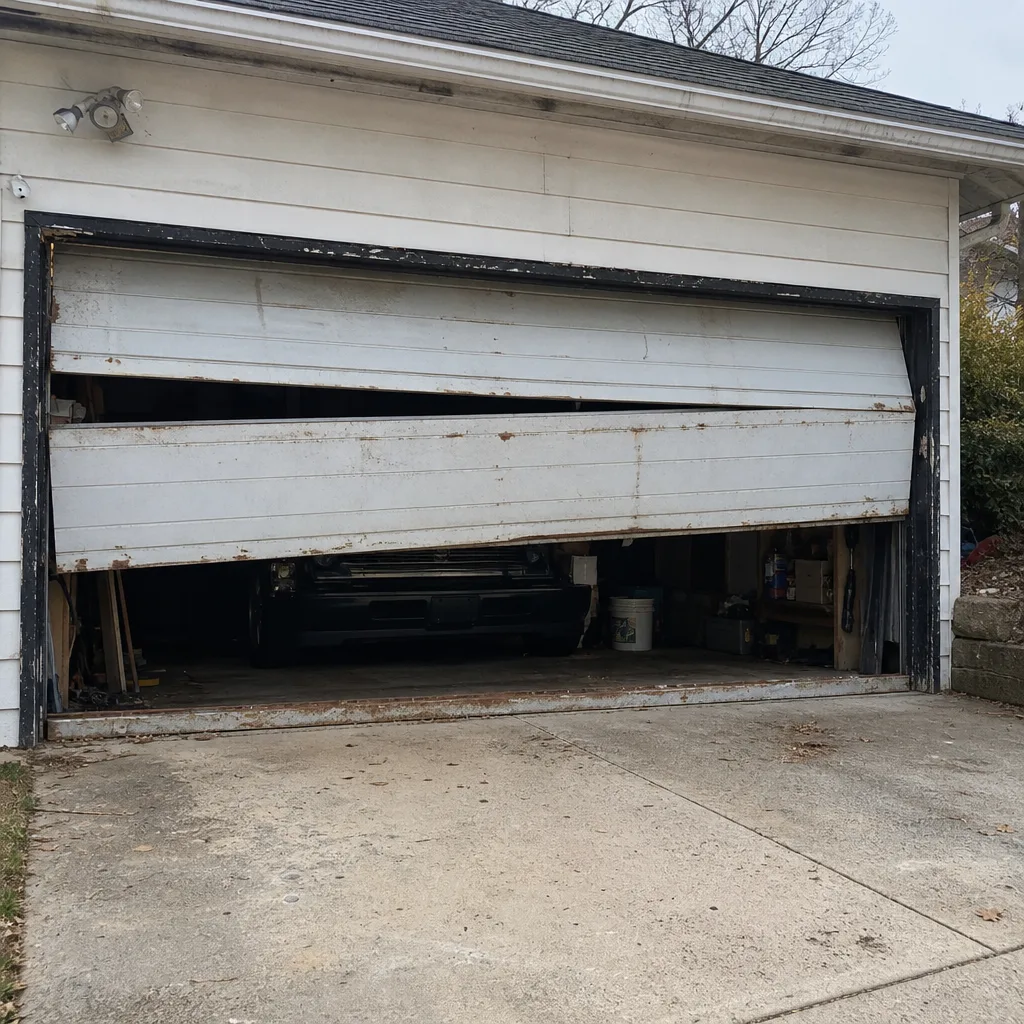 Before
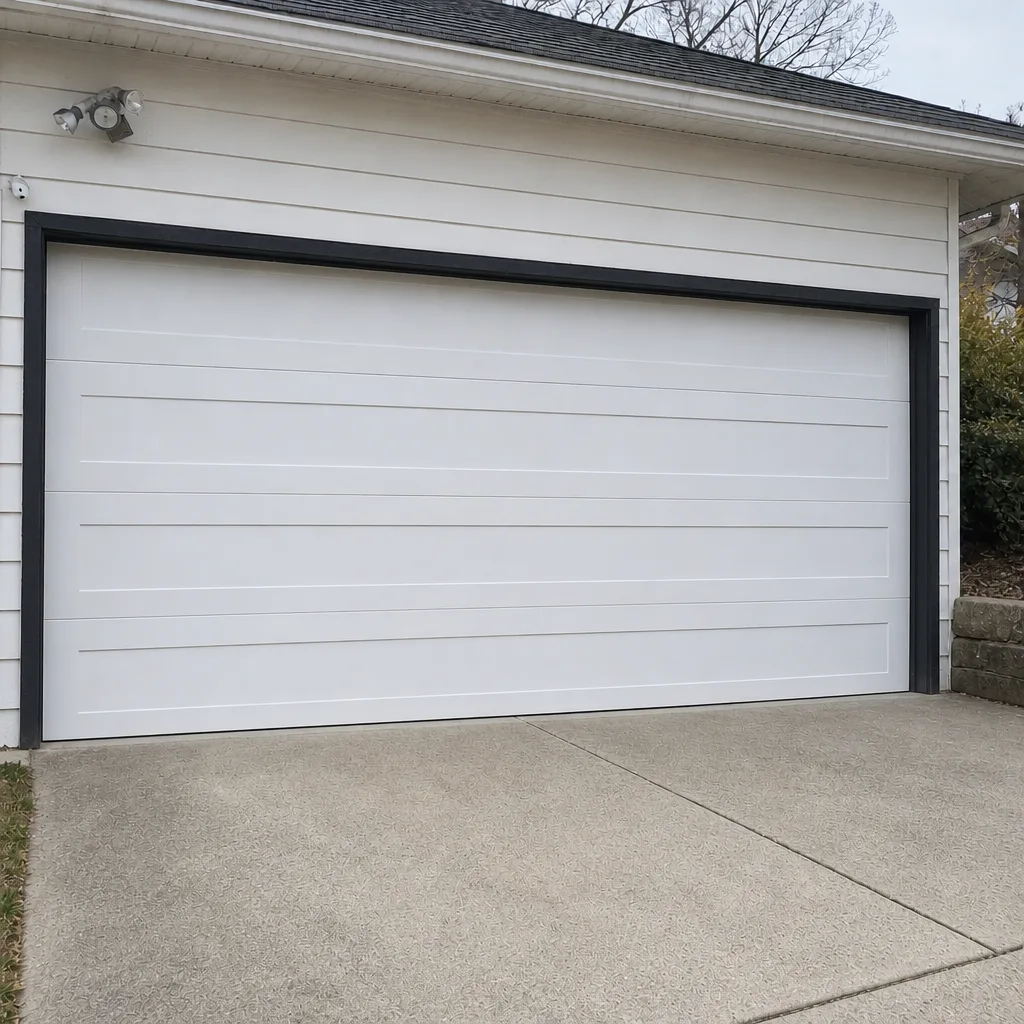 After
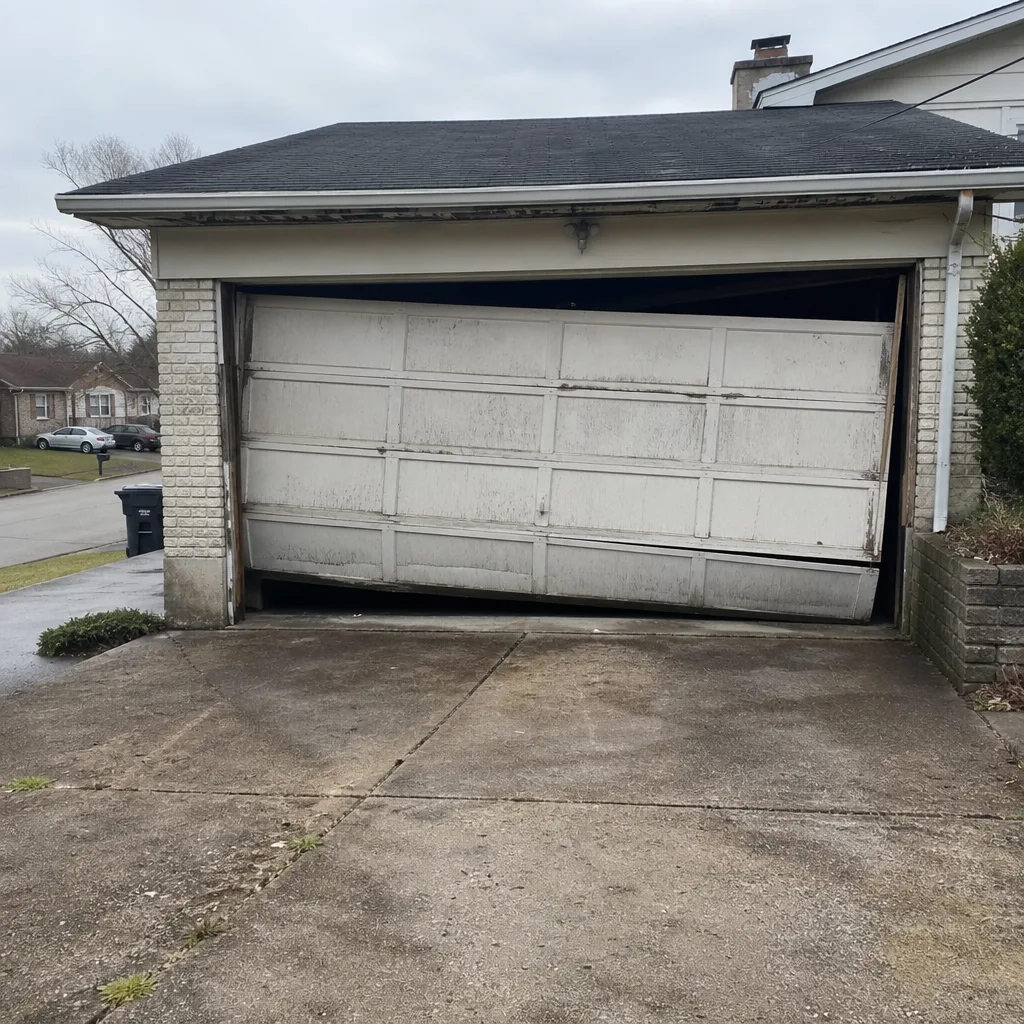 Before
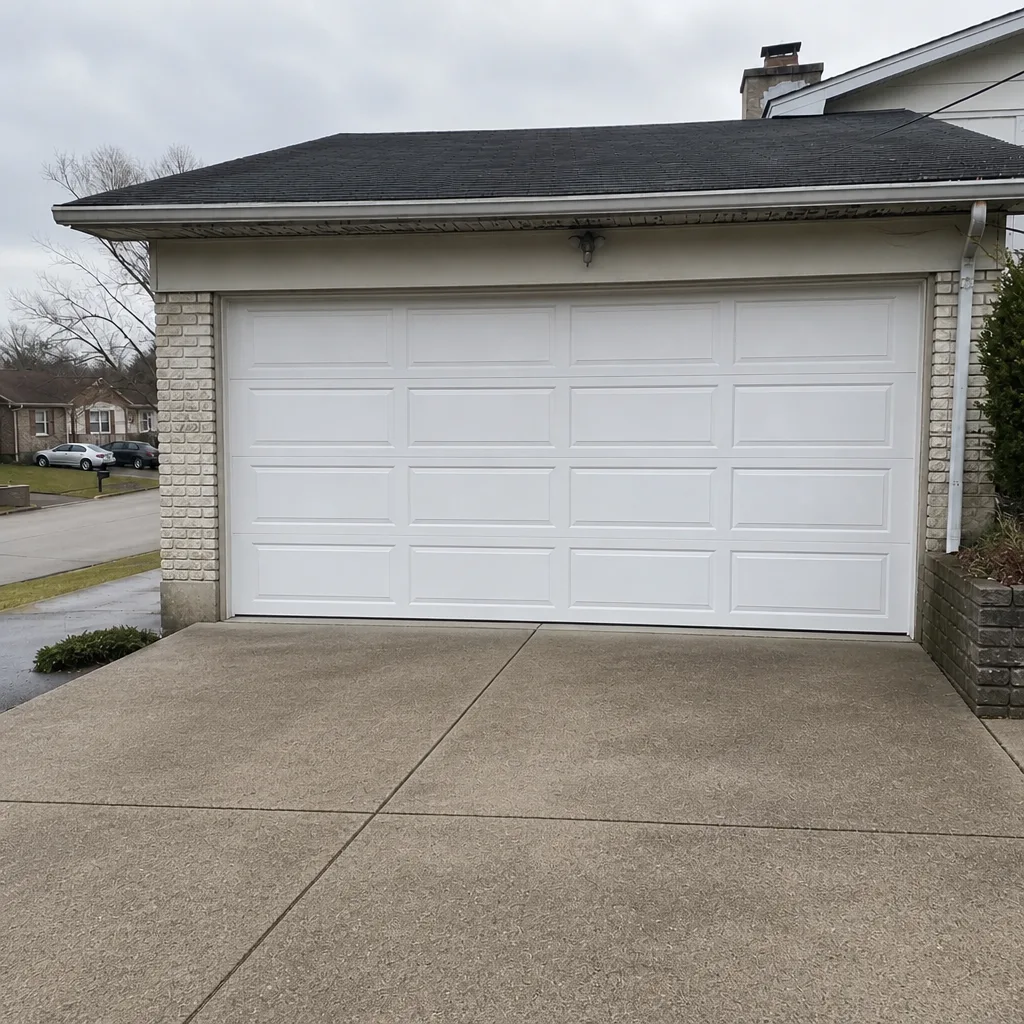 After
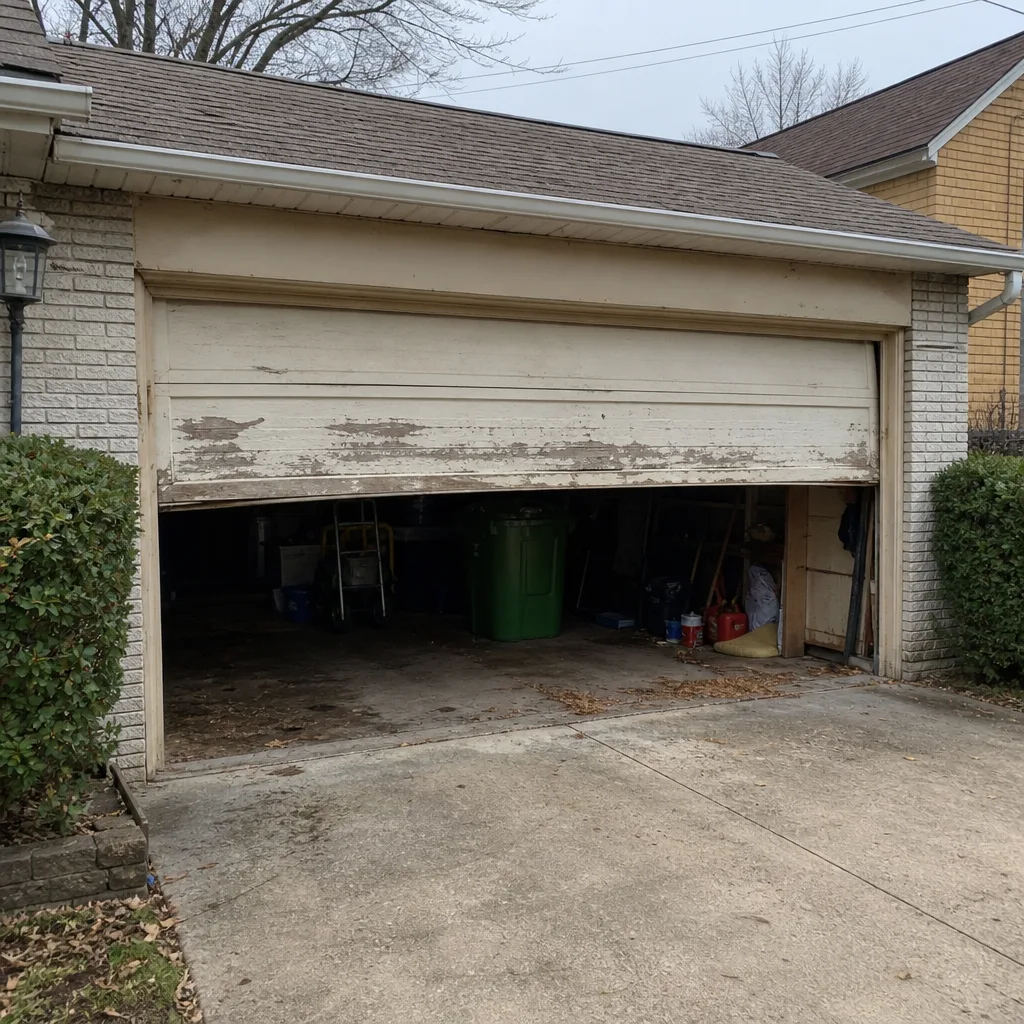 Before
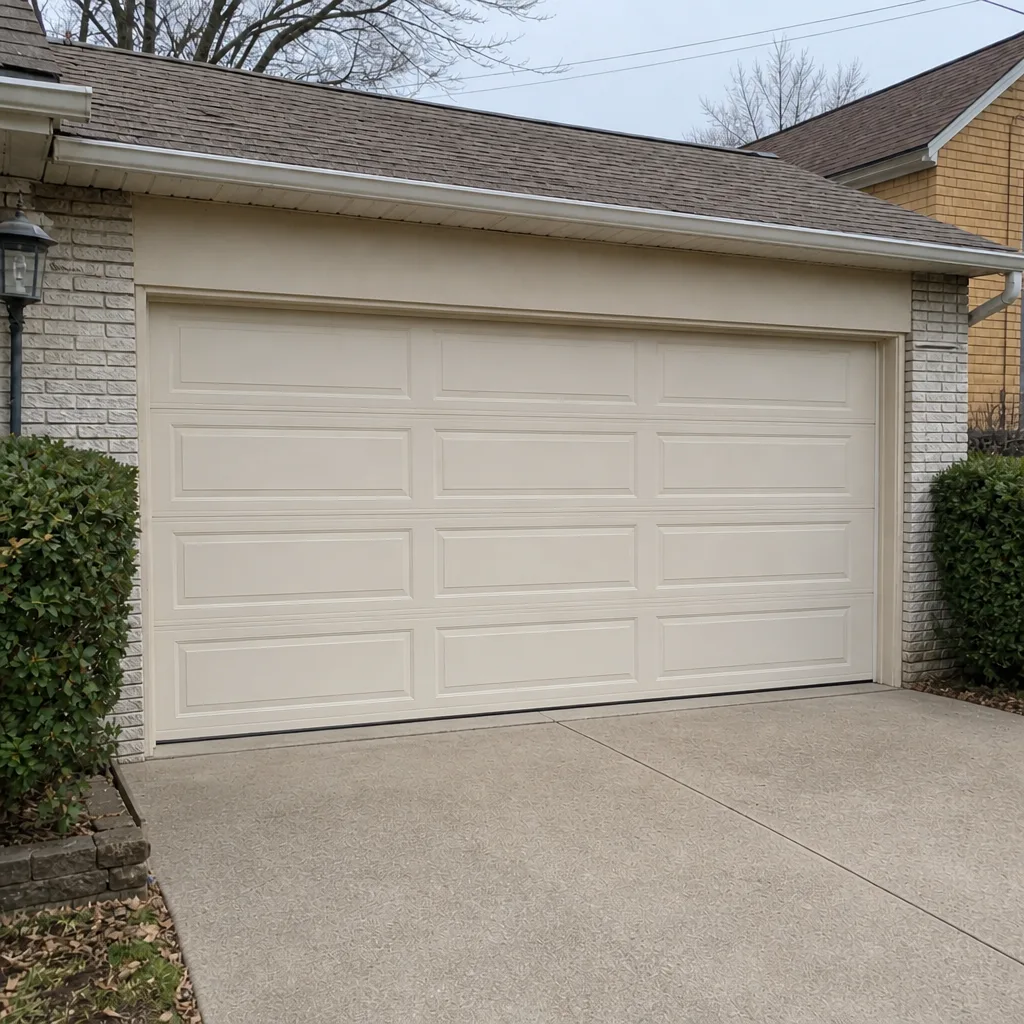 After
Common Mistakes to Avoid
- Assuming every problem means the opener needs replacing. Many “dead opener” complaints turn out to be a broken spring or a stripped gear. Diagnose the door and the opener separately before replacing anything.
- Ignoring a slow or crooked door because it still opens. A door that lifts unevenly is wearing out something in the hardware. In Pittsburgh’s cold, that wear tends to accelerate during the first hard freeze.
- Bumping the opener’s travel limits to force a dragging door to close. That treats the symptom, not the cause, and it can leave the door closing unevenly or failing the safety reverse test.
- Spraying WD-40 on springs and hinges as “maintenance.” A light multi-purpose spray displaces dirt for a few days and then attracts more of it. Use a proper lubricant meant for garage door hardware.
- Skipping the fall and spring check because it opened fine yesterday. Most Tier 1 failures give a Tier 2 warning first. Catching it during a check is how you avoid an emergency on a freezing morning.
- Treating a wood door like a steel door. Wood doors in this region need periodic refinishing. Neglect the finish and the moisture gets in, and then you’re looking at warped panels instead of a maintenance job.
- Buying a new opener before a technician has diagnosed the old one. Opener electronics from LiftMaster, Chamberlain, and Genie are all diagnosable. A trained tech can tell you whether it’s a sensor, a logic board, or the motor itself before you spend on a replacement.
When to Call a Professional
Call a professional immediately if you hear a loud bang from above the door and the door won’t lift, if a cable is hanging loose or visibly frayed, if the door comes down faster than usual, or if it has come out of its track. These are the situations that put people at risk, and they should not be handled without proper tools and training. Call soon if the door is grinding, shudders, won’t stay balanced, reverses for no reason, or if the opener is straining or showing a diagnostic light pattern. Call for a free estimate if you’re not sure which category your symptom falls into and want a professional diagnosis before deciding what to do.
Tidewater Garage Door Repair offers free estimates in Pittsburgh – call (844) 643-1812. We answer 24/7. Fast dispatch from 7am to 7pm.
Frequently Asked Questions
If the opener makes a sound but the door doesn’t move, the problem is usually in the door’s hardware (spring, cable, or the emergency release) rather than the opener itself. If the opener reverses, beeps, or blinks a diagnostic code, the issue is usually in the opener’s electronics or sensors. The fastest way to know is to have both sides looked at together. Call (844) 643-1812 for a free estimate. We answer 24/7. Fast dispatch from 7am to 7pm.
No. A broken spring means the door’s lift is being carried by the opener motor and whatever tension remains in the system. That’s a serious safety risk. Stop using the door and call us at (844) 643-1812. We answer 24/7. Fast dispatch from 7am to 7pm.
Cold thickens lubricant, tightens clearances in the tracks, and stiffens the rubber seal, so a door that ran quietly in autumn can sound louder in January. Some winter noise is normal. Persistent grinding, squealing, or popping after a warm spell is a sign of a real component issue. Call (844) 643-1812 for an assessment. We answer 24/7. Fast dispatch from 7am to 7pm.
Each brand has its own diagnostic quirks. LiftMaster and Chamberlain units typically blink a light code that points to a sensor, travel limit, or logic board issue. Genie units use their own readouts. Knowing what a specific brand is telling you is the difference between an accurate diagnosis and a guess. Our technicians work with all three, plus Clopay, Amarr, Wayne Dalton, Craftsman, and Raynor doors and openers. Call (844) 643-1812 for a free estimate. We answer 24/7. Fast dispatch from 7am to 7pm.
Stop using the door and don’t try to force it back. A door off its track can fall or cause serious injury. Call (844) 643-1812 immediately. We answer 24/7. Fast dispatch from 7am to 7pm.
Same-day service is available for repair calls in Pittsburgh. Call (844) 643-1812 and we’ll give you the next available dispatch window. We answer 24/7. Fast dispatch from 7am to 7pm, Sunday through Friday. We’re closed Saturday, so a call on Saturday is booked into the next Sunday-through-Friday opening.
Yes. Estimates are free, and the price is set by a written quote before any work starts. Call (844) 643-1812 to book one. We answer 24/7. Fast dispatch from 7am to 7pm.
The Bottom Line
The warning signs on a garage door aren’t all equal, and treating them that way is how a slow roller becomes a snapped spring. Sort what you’re seeing into three tiers: stop now (broken spring, loose cable, door off its track, door that free-falls), schedule soon (worn rollers, a drifting door, an opener that reverses or strains), and monitor (cosmetic dents, rust, seal wear). In Pittsburgh, cold snaps speed up the shift from one tier to the next, so anything that appears on the first hard freeze is worth a closer look. A fall and spring check catches most of it early. When in doubt, get a diagnosis rather than a replacement. Call (844) 643-1812 for a free estimate. We answer 24/7. Fast dispatch from 7am to 7pm.
Written by the team at Tidewater Garage Door Repair.