
Last updated November 15, 2026
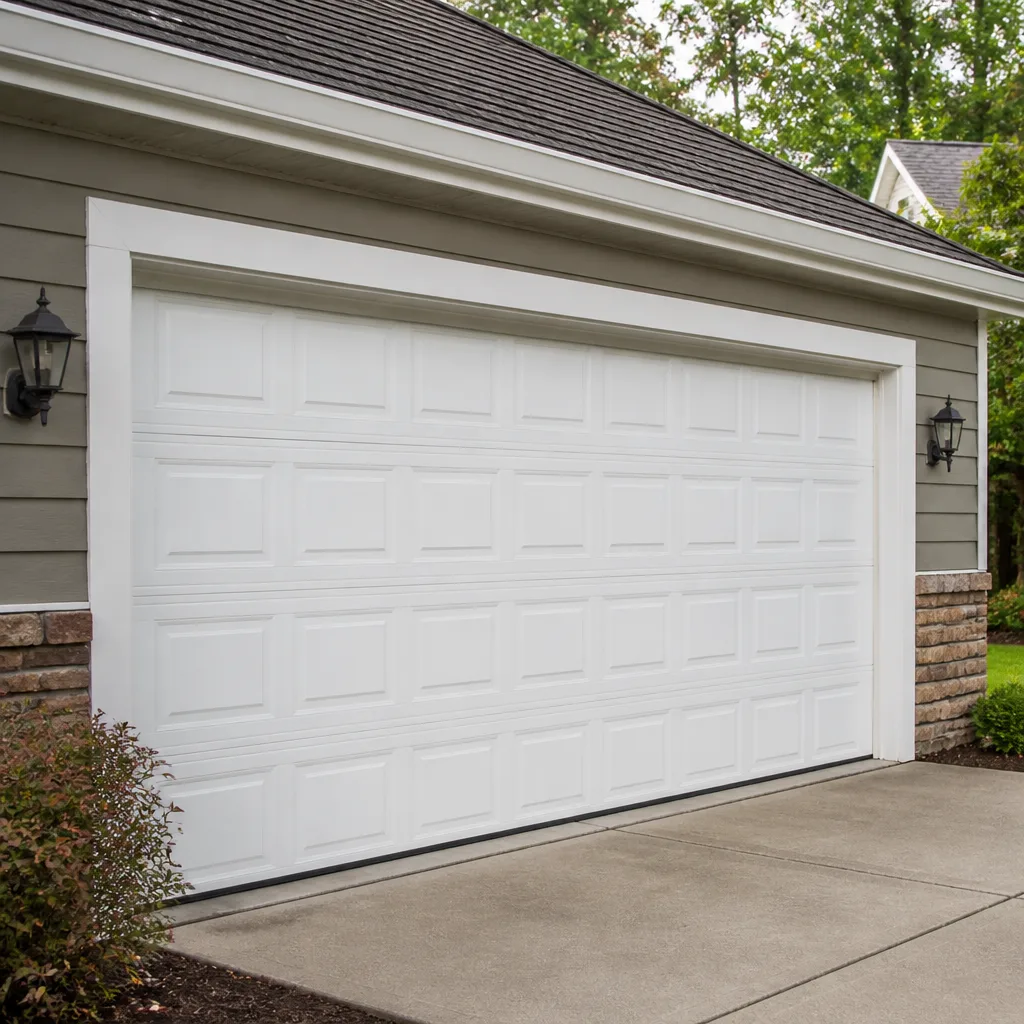 Raised-panel steel
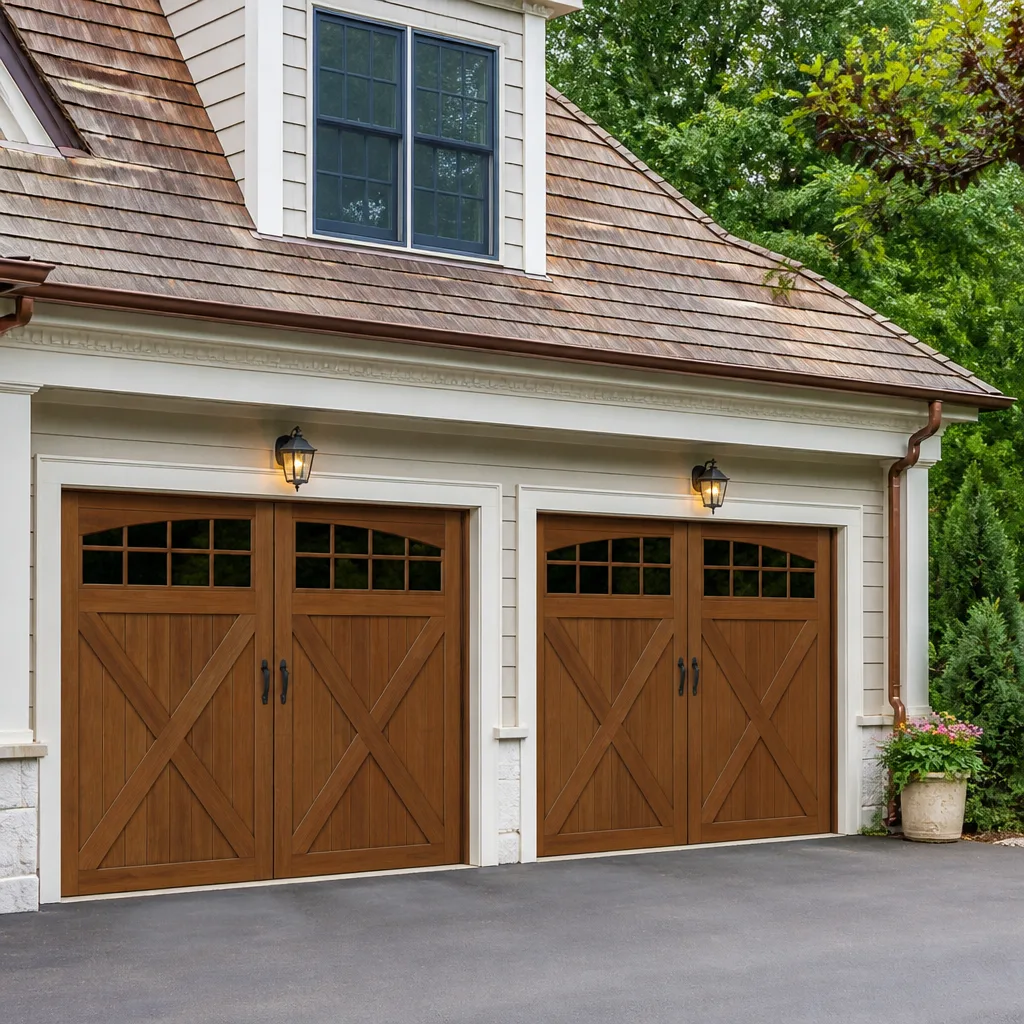 Carriage house
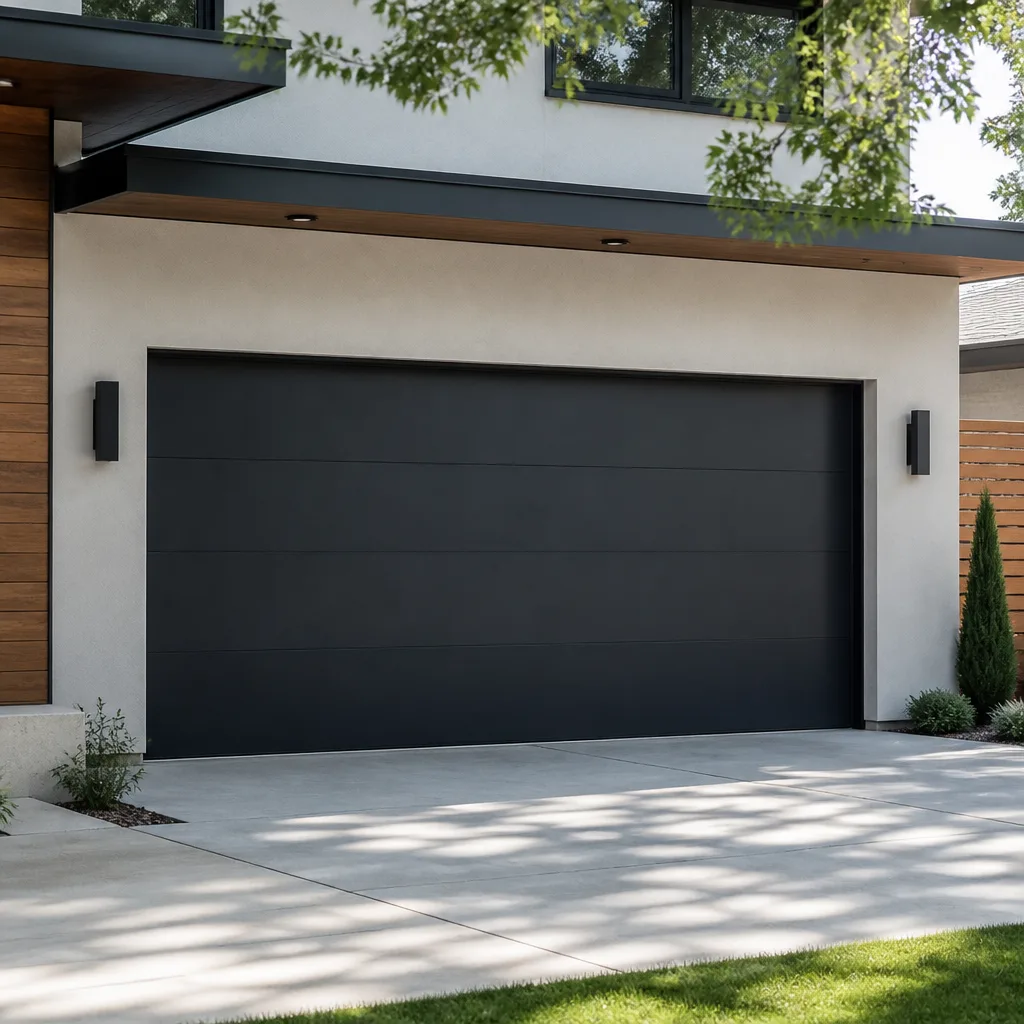 Modern flush
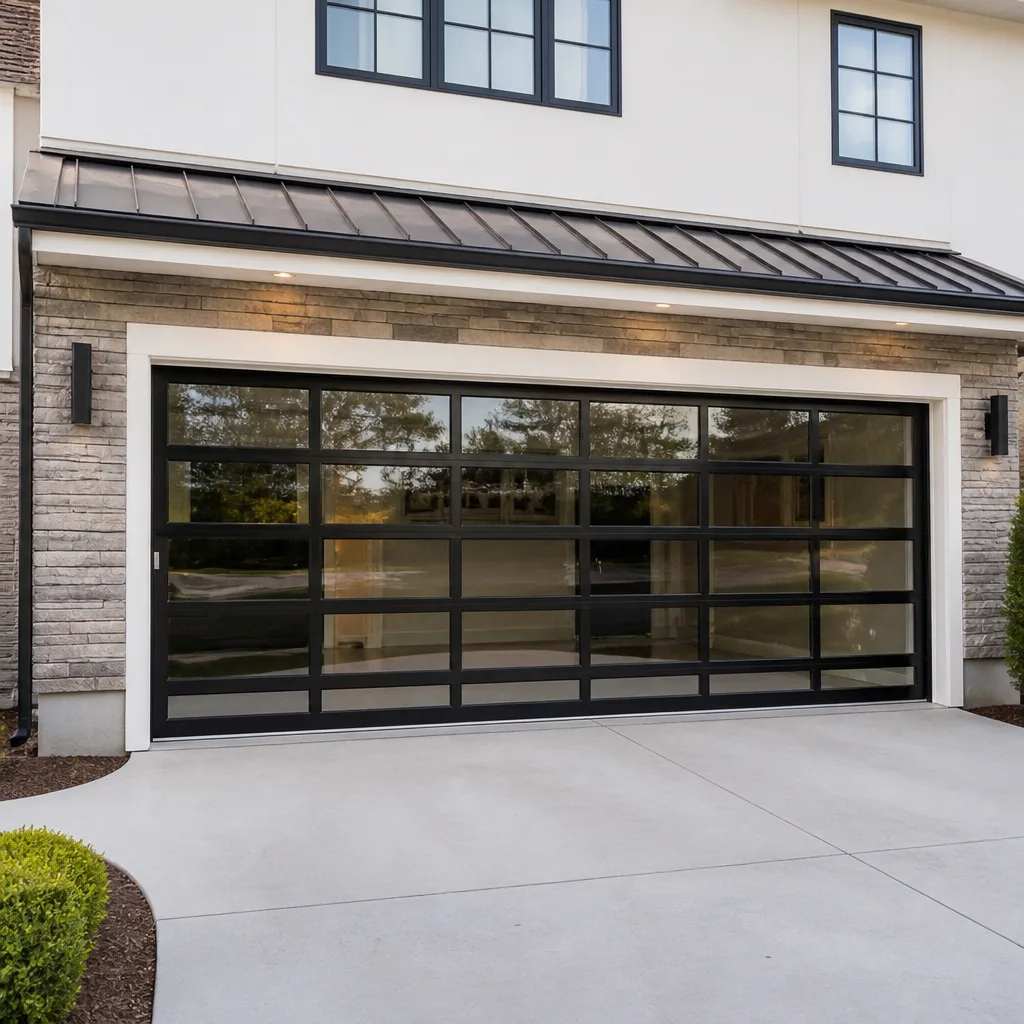 Full-view glass
 LiftMaster openers
 Chamberlain openers
Full 25-point door and opener safety check with every visit - springs, cables, rollers, tracks, and your LiftMaster or Chamberlain opener included
You get a price before we start. It does not change when the pro arrives.
Get your free estimateGarage Door Repair Troubleshooting in Pittsburgh: Common Problems and How to Fix Them
A noisy garage door and a slow garage door can look identical from the outside, but they usually need completely different fixes. That confusion is how a small repair turns into a much bigger bill. The noise might be a dry roller or a loose hinge. The slow movement might be a failing spring or a tired opener motor. Treat them the same and you end up replacing parts that were never broken.
This guide breaks Pittsburgh garage door problems down by symptom, not by guesswork. You’ll learn which of four root causes is usually at fault, which fixes are safe for you to handle, and which ones you should leave alone. We’ll also show you how to describe the problem accurately before you call anyone, so a technician diagnoses your door instead of selling you a new one.
Quick Answer
Most garage door problems in Pittsburgh come down to four root causes: spring tension loss, track or roller misalignment, sensor and opener electronics, and weather seal failure from freeze-thaw cycles. Diagnosing by symptom, whether the door is noisy, slow, reversing, or completely unresponsive, tells you which cause you’re dealing with. Springs and cables are never a DIY fix; sensors, remotes, and lubrication usually are.
Styles & brands we work with
- Raised-panel steel
- Carriage house
- Modern flush
- Full-view glass
- LiftMaster openers
- Chamberlain openers
Table of Contents
- The Four Root Causes Behind Almost Every Garage Door Problem
- The Symptom-to-Cause Decision Tree
- How Pittsburgh’s Freeze-Thaw Cycles Cause Spring and Seal Failures
- Why Your Door Reverses Before Closing: Limit Switch vs. Track Alignment
- What’s Safe to Fix Yourself and What Isn’t
- How to Describe Your Problem Before You Call
- What Garage Door Repairs Typically Cost in Pittsburgh
- Common Mistakes to Avoid
The Four Root Causes Behind Almost Every Garage Door Problem
In our experience, nearly every service call traces back to one of four systems. Identifying which one is failing is the whole game. A technician who skips this step and jumps straight to “you need a new door” is guessing.
- Spring tension. Torsion or extension springs counterbalance the door’s weight. When tension fades or a spring breaks, the door feels impossibly heavy, moves slowly, or won’t open at all. This is the most common cause of a door that suddenly won’t lift.
- Track and roller alignment. Bent tracks, worn rollers, or a door knocked slightly off its rails cause binding, grinding, and jerky travel. A door that reverses partway down often has a track problem masquerading as an electrical one.
- Opener electronics. Safety sensors, logic boards, limit switches, and remote receivers live here. Brand matters a lot: a Chamberlain or Genie opener has different sensor behavior and error codes than a LiftMaster or Raynor unit.
- Weather sealing and hardware. Bottom seals, hinges, and bearings wear out from moisture and temperature swings. They rarely stop a door from working, but they cause drafts, noise, and premature wear on everything else.
The reason brand familiarity matters: manufacturers design their hardware differently. A Clopay door’s panel and hinge setup isn’t built like an Amarr. A Genie opener’s limit adjustments don’t work like a LiftMaster’s. When a technician knows the specific system you already own, they can pinpoint the real failure instead of swapping parts to see what sticks.
The Symptom-to-Cause Decision Tree
Start with what the door is actually doing, then follow that branch. This is the same order we work through on a diagnosis.
- Is the door noisy (squealing, grinding, rattling)? Start with lubrication and hardware. Dry rollers, loose hinges, and worn bearings are the usual suspects. This is rarely a spring issue.
- Is the door slow or heavy, but still moves? Suspect spring tension loss first. If the door is hard to lift by hand and won’t stay open at halfway, the springs are the problem.
- Does the door open partway and stop, or reverse? Rule out the safety sensors and limit switch first, then check track alignment. A binding track trips the opener’s safety reversal.
- Is there no response at all (no motor sound)? This is electrical. Check the opener’s power, the wall switch, and the remote battery before anything else. If the motor hums but the door doesn’t move, that points back to springs or a stripped gear.
Following the branch in order keeps you from treating a mechanical problem with an electrical fix, or the reverse. It’s the single most useful habit in garage door troubleshooting, and it’s why a fast, accurate diagnosis usually beats a fast, wrong replacement.
How Pittsburgh’s Freeze-Thaw Cycles Cause Spring and Seal Failures
Pittsburgh winters move above and below freezing repeatedly, and that cycle does real damage to a garage door. Water gets into small gaps, freezes, expands, and works hardware loose. Spring and early thaw are when we see the most tension-related failures.
Here’s how the freeze-thaw pattern plays out on a Pittsburgh door:
- Bottom seal failure. The rubber seal along the bottom of the door cracks and hardens from cold, then fails to seal. That lets cold air, moisture, and road grit into the garage, and it stresses the door’s balance.
- Spring tension loss. Springs expand and contract with temperature swings. Over a Pittsburgh winter, a spring that was fine in fall can lose enough tension to make the door feel heavy by spring.
- Track and hardware binding. Ice and grit collect in the tracks, and moisture works into hinges and bearings. A door that ran smoothly in October can grind in January.
- Sensor fogging and false trips. Cold mornings fog the safety sensors, and a dirty or misaligned sensor stops the door as surely as a broken part would.
Because so many of these failures show up together, a Pittsburgh door in early spring can look like it has five problems when it has one or two root causes. That’s why diagnosis comes before replacement. For hands-on help with any of these, our garage door repair service covers the full range of mechanical and seal issues that Pittsburgh weather creates.
Why Your Door Reverses Before Closing: Limit Switch vs. Track Alignment
A door that starts down and then reverses has one of two very different problems, and telling them apart saves you from paying for the wrong fix. The limit switch is electrical; track alignment is mechanical.
Limit switch symptoms
The limit switch tells the opener where the door should stop. When it’s out of adjustment or failing, the door reverses near the bottom even though nothing is blocking it, and the tracks look perfectly straight. If the door reverses at the same spot every time and the tracks are clean and aligned, suspect the limit switch or the opener’s travel settings. This is brand-specific territory; a Genie and a Chamberlain adjust their limits differently.
Track alignment symptoms
If the door binds, jerks, or scrapes as it travels, and reverses at a different point each time, the problem is usually mechanical. A bent track, a popped roller, or a door knocked off its rails creates resistance, and the opener’s safety system reads that resistance as an obstruction. Look for a visible gap between a roller and its track, or a track that’s no longer plumb.
If you can’t tell which one you have, note exactly where and how the door reverses. That detail alone tells a trained technician which system to check first, and it’s the fastest way to avoid a diagnosis call that turns into an unnecessary parts swap. For opener-specific issues, our garage door opener repair service handles the electronics and motor systems on their own, as a specialty rather than an add-on.
What’s Safe to Fix Yourself and What Isn’t
Some garage door problems are genuinely safe for a homeowner to handle. Others carry real injury risk and should never be a DIY job. Knowing the difference is the most important safety call in this whole guide.
Generally safe for homeowners
- Cleaning and realigning safety sensors (wipe the lenses, check that they’re aimed at each other).
- Replacing remote batteries and re-pairing remotes to the opener.
- Lubricating rollers, hinges, and tracks with a garage-door-rated lubricant.
- Clearing debris and grit from the tracks.
- Checking that the manual release works and the door is balanced.
Leave to a trained professional
- Torsion and extension springs. These store enormous energy. A spring under tension can cause serious injury if handled incorrectly. Never attempt to adjust, remove, or replace one.
- Cables. Cables are under high tension and are part of the same dangerous system as the springs.
- Opener electrical work and logic boards. Beyond a fuse or battery, wiring and circuit-board issues belong with a technician.
If you’re unsure which category your problem falls into, treat it as the dangerous one until a professional says otherwise. That caution is not overcautious; it’s the correct default for anything involving springs or cables.
How to Describe Your Problem Before You Call
The better you can describe the symptom, the faster a technician diagnoses it, and the less room there is for a vague “you probably need a new door” pitch. Take two minutes to gather these details before you pick up the phone:
- What the door does. Noisy, slow, reverses, opens partway, or no response at all. Pick the one that fits best.
- When it happens. Every time, only in cold weather, only at a certain point in travel.
- What you can see. Broken spring, visible gap in a track, a sensor light that’s off, a door that sits crooked.
- Your brand and model. Note the make of your door and opener (Chamberlain, Genie, Clopay, Amarr, and others). This lets the technician bring the right knowledge and parts.
- What you’ve already tried. New remote batteries, sensor cleaning, a manual release test. Mention it so nobody repeats a step.
A technician who asks good questions and works through these in order is diagnosing. One who skips straight to a replacement quote is selling. When someone knows your brand and can explain what they expect to find before they touch the door, that’s the sign of a real diagnosis. You can reach a technician who works this way through Tidewater Garage Door Repair.
What Garage Door Repairs Typically Cost in Pittsburgh
Garage door repair in Pittsburgh generally runs from simple hardware fixes in the low hundreds to full spring or opener replacements higher up, and the final price is set by the written estimate before any work begins. Here are typical estimated ranges by repair type:
| Repair | Typical estimated range |
|---|---|
| Sensor cleaning, realignment, or remote re-pairing | Lower-cost service call |
| Roller, hinge, and lubrication service | Modest hardware and labor |
| Single torsion spring replacement | Mid-range; a matched pair is usually replaced together at about twice a single spring |
| Cable replacement | Mid-range, priced with the spring system |
| Opener repair (logic board, limit switch, gear) | Varies by brand and part |
| Bottom seal replacement | Lower-cost, priced by door width |
These are typical estimates, not a fixed menu, because a Clopay or Amarr door and a Chamberlain or Genie opener each take different parts. The written estimate you receive after a diagnosis sets the final price, and you approve it before any work starts. That’s the number that matters, not a phone quote based on a guess.
For a free estimate on any repair listed here, call (844) 643-1812. We answer 24/7, with fast dispatch from 7am to 7pm, Sunday through Friday.
Common Mistakes to Avoid
- Treating a slow door as an electrical problem. A slow, heavy door is almost always spring tension, not the opener. Replacing the opener first wastes money and leaves the real problem in place.
- Assuming noise means a broken part. Squealing and grinding are usually dry rollers, loose hinges, or grit in the tracks. Lubrication and a hardware check come before replacement every time.
- Ignoring freeze-thaw wear until spring. In Pittsburgh, sealing small gaps and keeping tracks clear before the first hard freeze prevents the spring and seal failures that show up in early spring.
- Forcing a door that won’t move. If the door is heavy or stuck, stop. Forcing it can bend tracks and stress cables, turning a spring job into a much larger repair.
- Handling springs or cables yourself. These store dangerous energy. This is the one mistake that can cause real injury, and it’s never worth the risk.
- Accepting a replacement quote with no diagnosis. If nobody checked the sensors, the limit switch, and the track alignment before recommending a new door, get a second opinion.
- Calling without details. “It doesn’t work” tells a technician nothing. Note the symptom, when it happens, and your brand so the diagnosis is accurate the first time.
See the difference
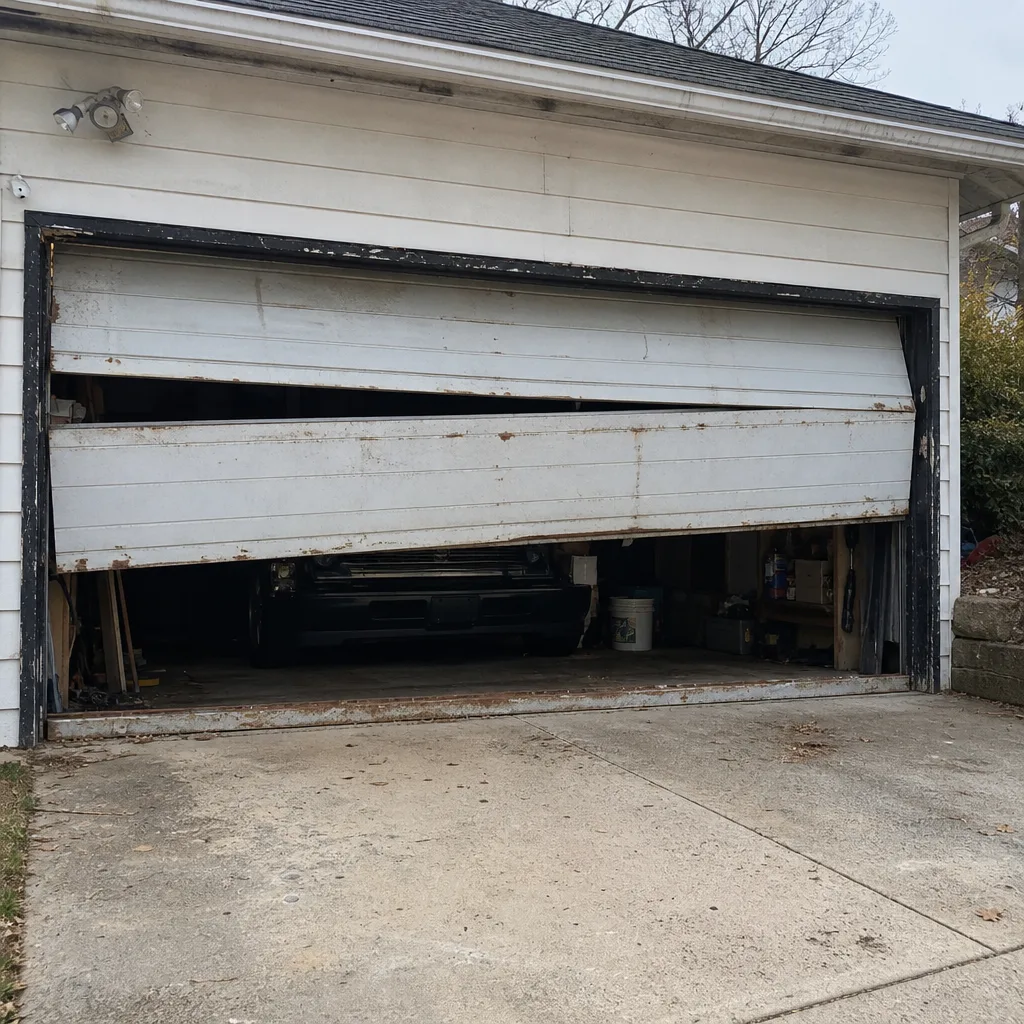 Before
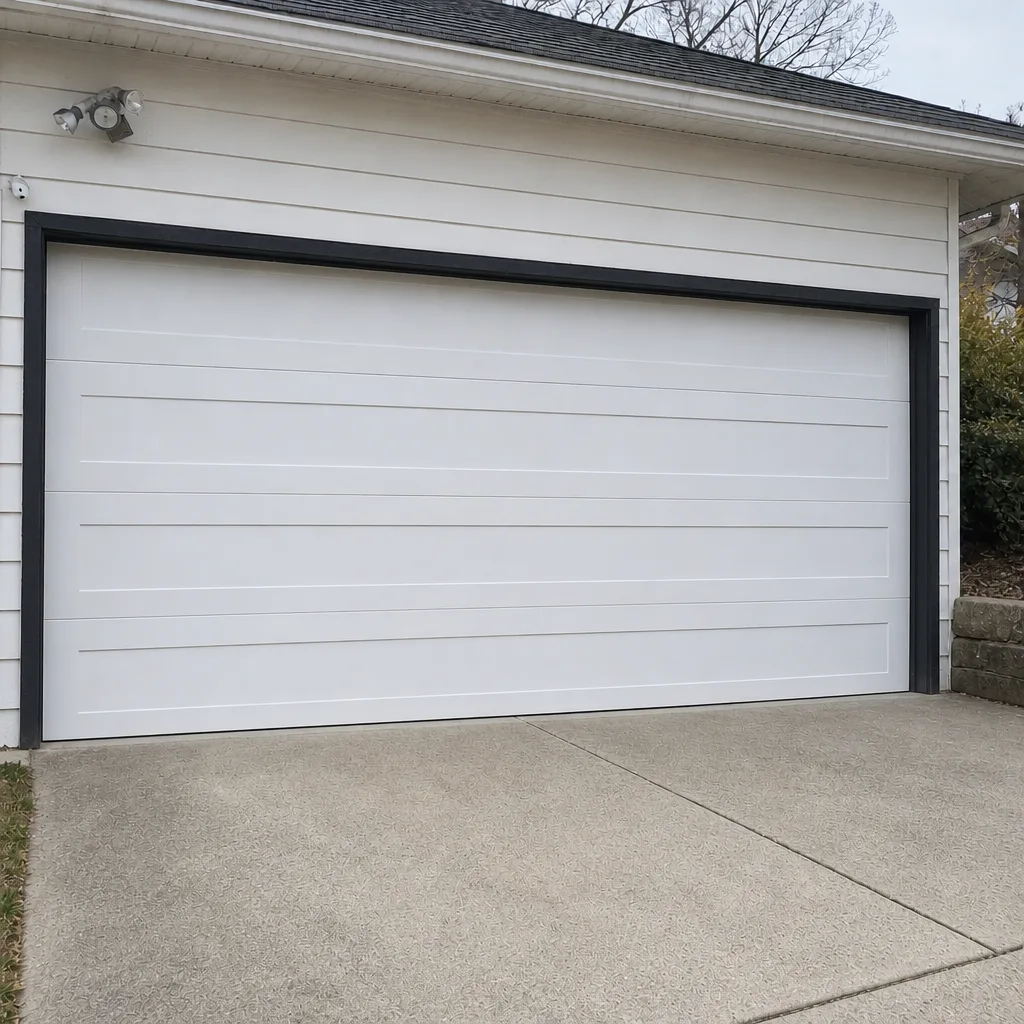 After
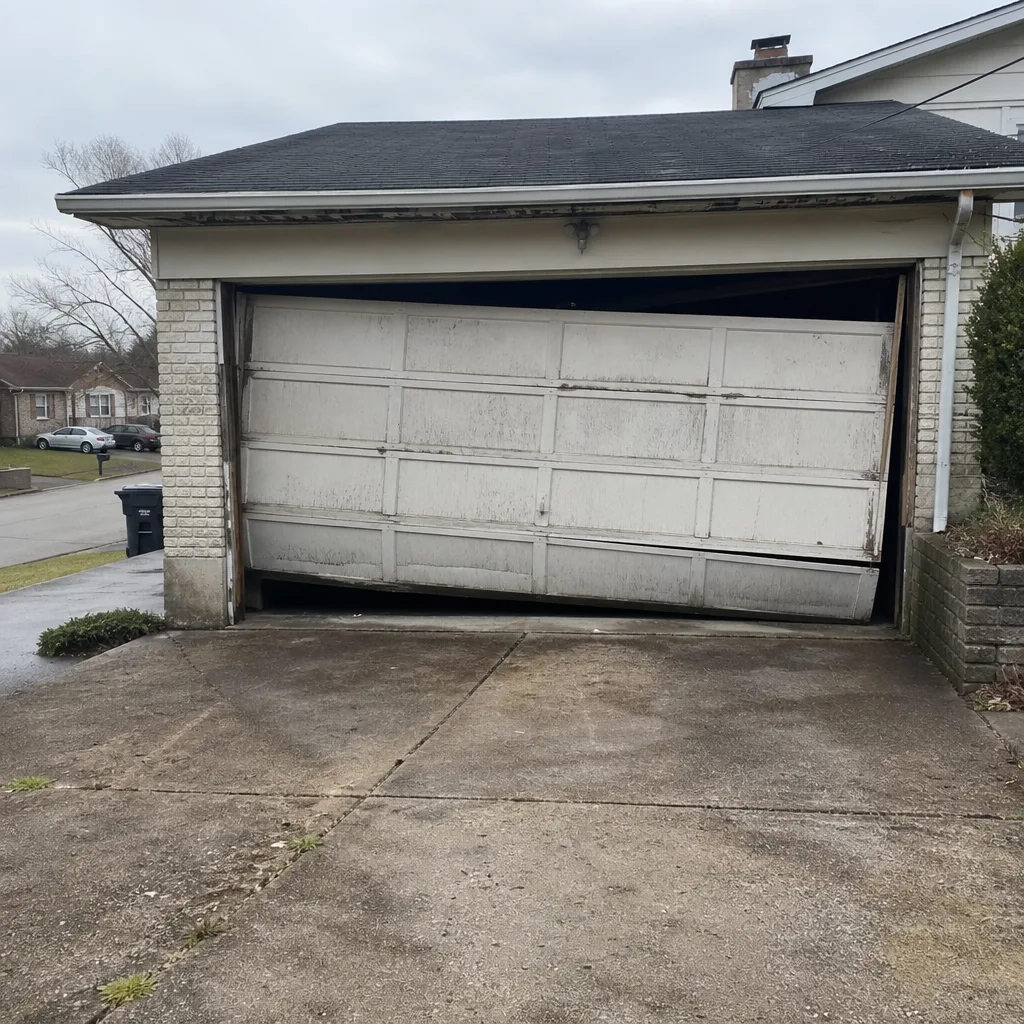 Before
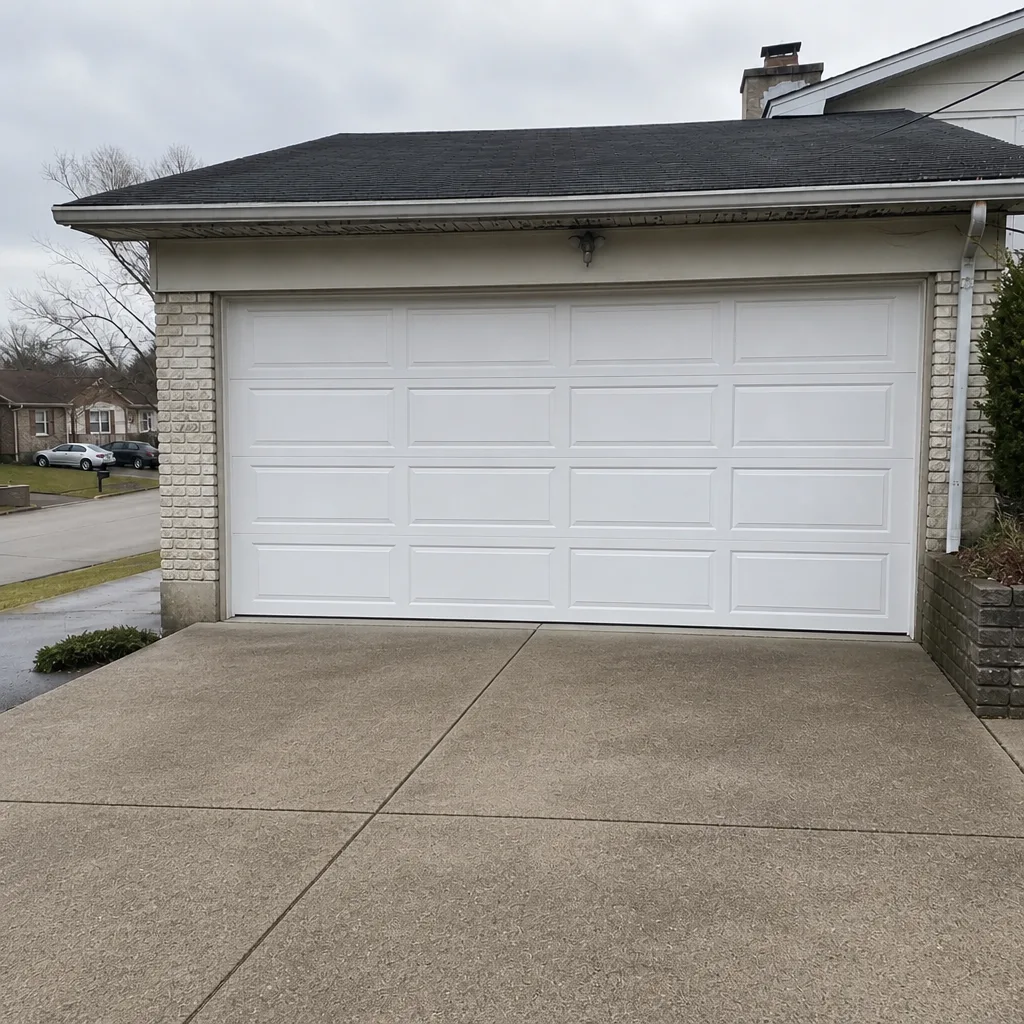 After
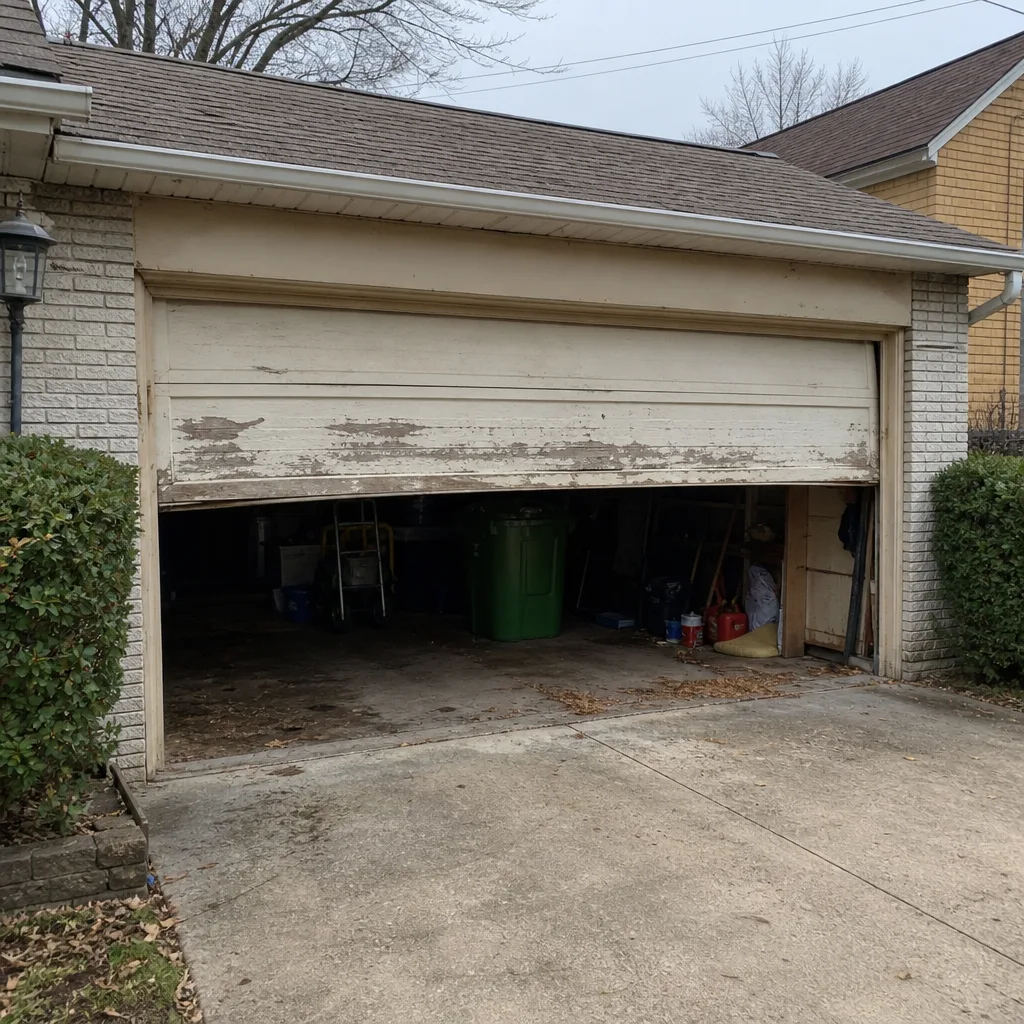 Before
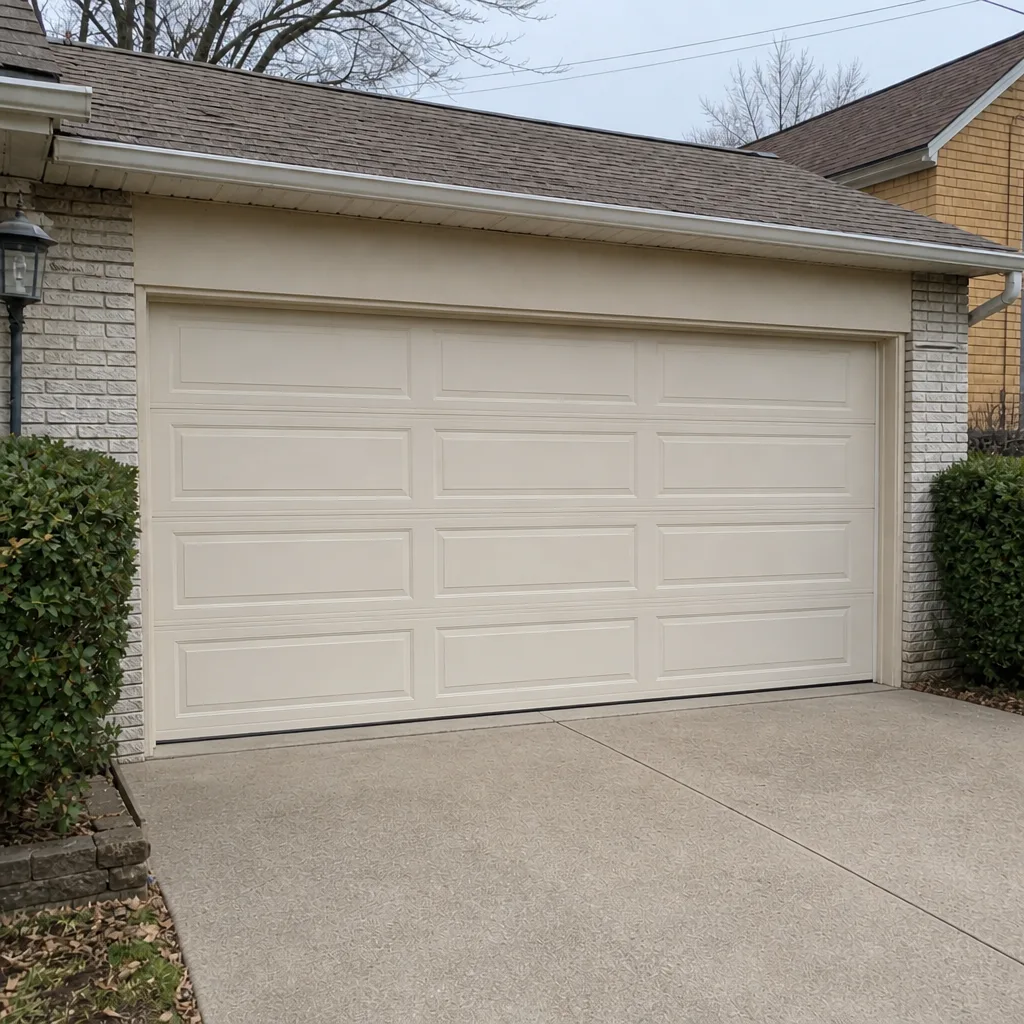 After
When to Call a Professional
Call a professional when the problem involves springs or cables, when the door is heavy or won’t lift by hand, or when the opener hums but the door doesn’t move. Call when a door is crooked, when a track is visibly bent, or when the door reverses and you can’t tell whether it’s the limit switch or the track. And call when you’ve cleaned the sensors, changed the remote battery, and the door still won’t respond. A trained technician diagnoses these accurately and tells you what’s actually broken before any work begins. Tidewater Garage Door Repair offers free estimates in Pittsburgh. Call (844) 643-1812. We answer 24/7, and fast dispatch runs from 7am to 7pm, Sunday through Friday.
Frequently Asked Questions
Cost depends on the repair: sensor and remote fixes are the least expensive, spring and cable work runs higher, and opener repairs vary by brand and part. The written estimate you receive after a diagnosis sets the final price, and you approve it before any work starts. Call (844) 643-1812 for an exact quote. Estimates are free.
Same-day service is often available for many repairs when you call. We answer 24/7, and fast dispatch runs from 7am to 7pm, Sunday through Friday. Call (844) 643-1812 to get on the schedule.
No. The price is quoted and agreed before any work starts, based on the written estimate. If the diagnosis turns up something the estimate didn’t cover, you’ll hear about it and approve it first. Call (844) 643-1812 for a free estimate.
Our technicians are experienced, state-licensed, and insured and bonded. They have up to 12 years of experience and work on the specific brands you already own, including Chamberlain, Genie, Clopay, and Amarr. Call (844) 643-1812 with any questions.
A door that reverses before closing usually has either a misadjusted limit switch or a track alignment problem. If the tracks look straight and the door reverses at the same point every time, suspect the limit switch. If it binds or reverses at different points, suspect the track. Note which one you see before you call, so the diagnosis is accurate.
No. Torsion and extension springs store dangerous energy and can cause serious injury if handled incorrectly. Never adjust, remove, or replace one yourself. This is a job for a trained technician. Call (844) 643-1812 for help.
The Bottom Line
Most garage door problems in Pittsburgh trace back to one of four root causes: spring tension, track alignment, opener electronics, or weather sealing. Diagnosing by symptom, whether the door is noisy, slow, reversing, or unresponsive, tells you which cause you’re dealing with before you spend money. Sensors, remotes, and lubrication are safe for you to handle. Springs and cables are not. And when you call, describe the symptom accurately with your brand and what you’ve tried, so a technician diagnoses your door instead of replacing it on a guess. That habit alone saves you from replacing parts that weren’t broken in the first place.
If you’d rather have a trained technician work through it for you, we know the quirks of each manufacturer’s hardware and can pinpoint the real failure. Reach out to our team serving Pittsburgh for a free estimate. Call (844) 643-1812. We answer 24/7, and fast dispatch runs from 7am to 7pm, Sunday through Friday. Steady service you can count on.
Written by the team at Tidewater Garage Door Repair.