
Last updated November 15, 2026
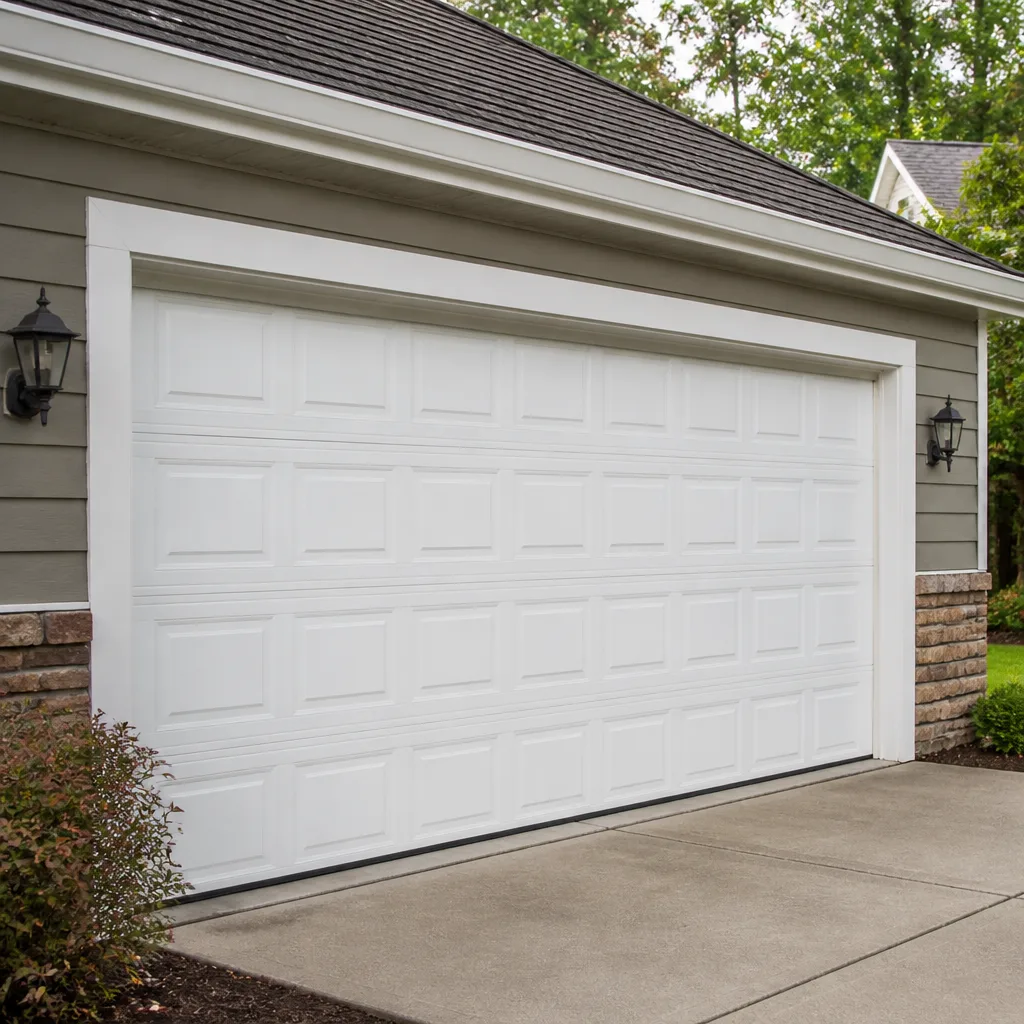 Raised-panel steel
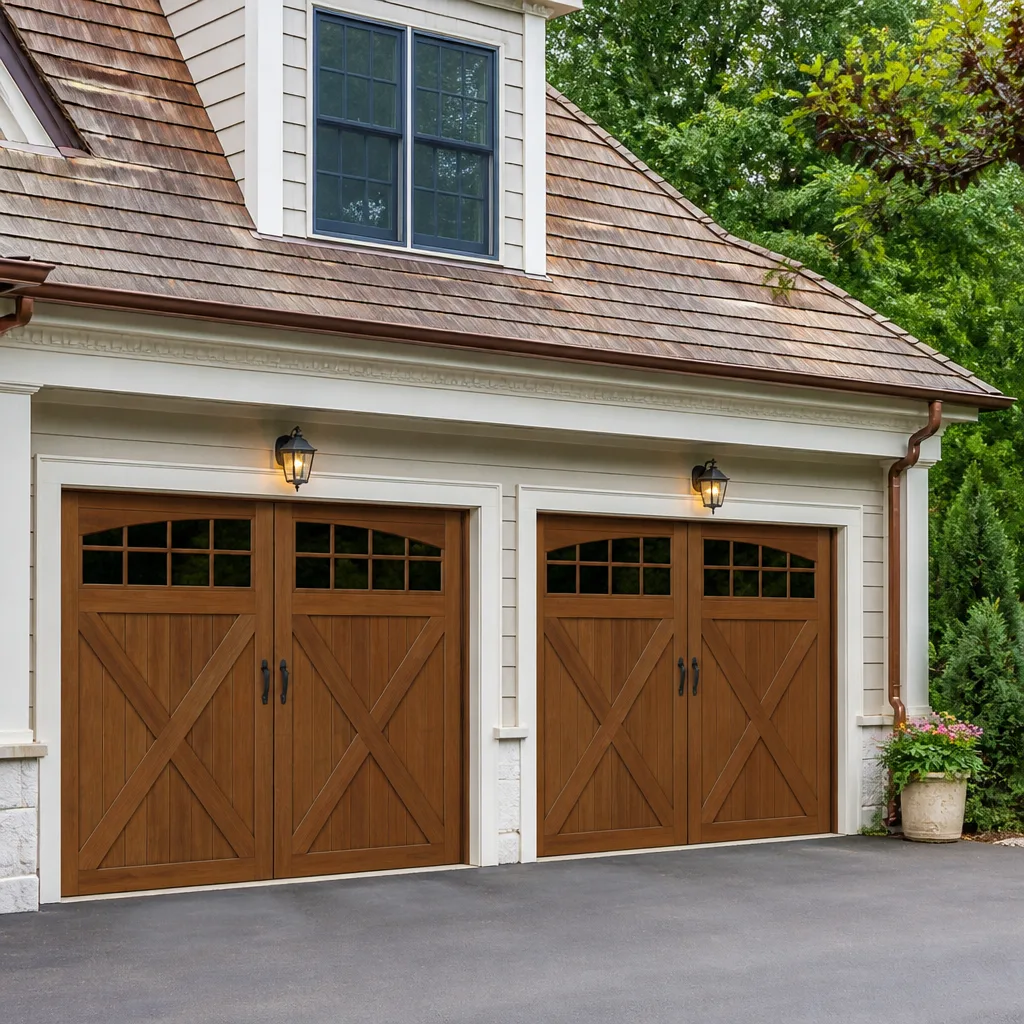 Carriage house
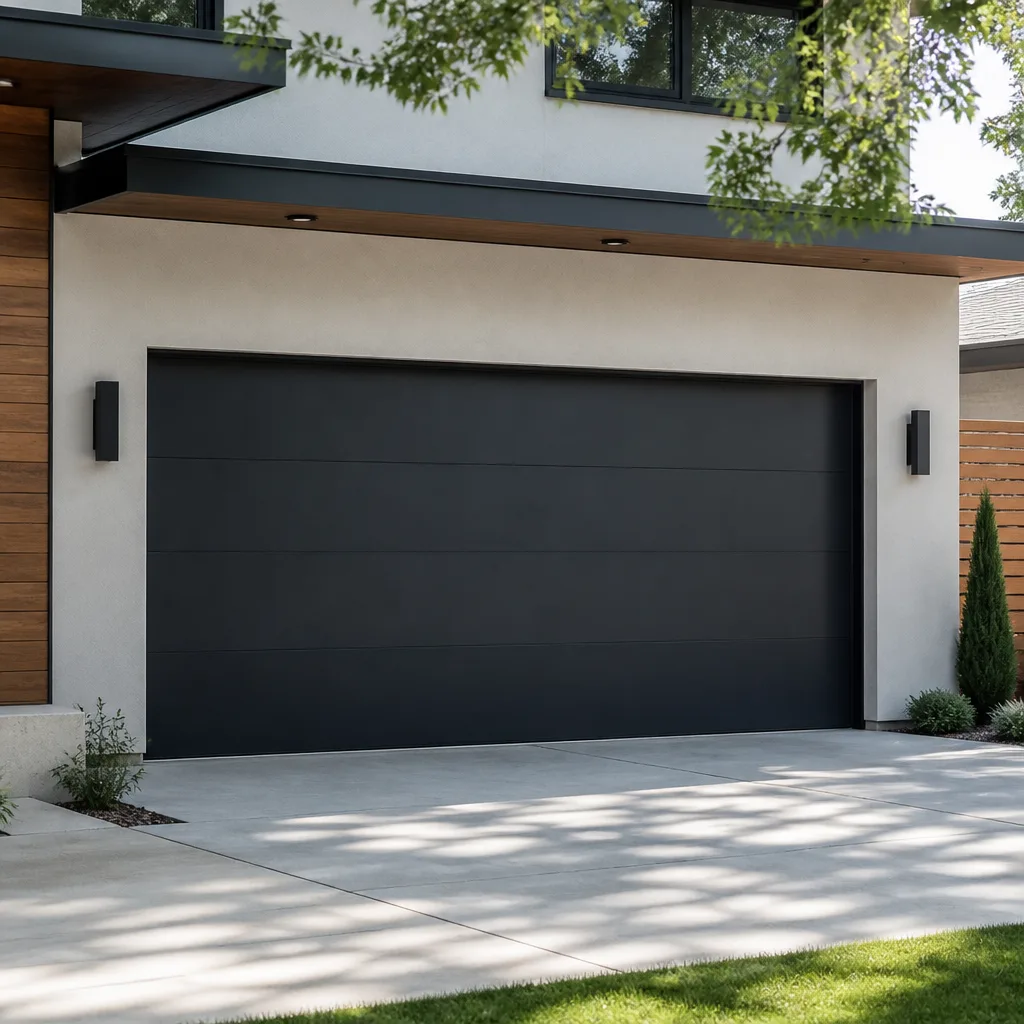 Modern flush
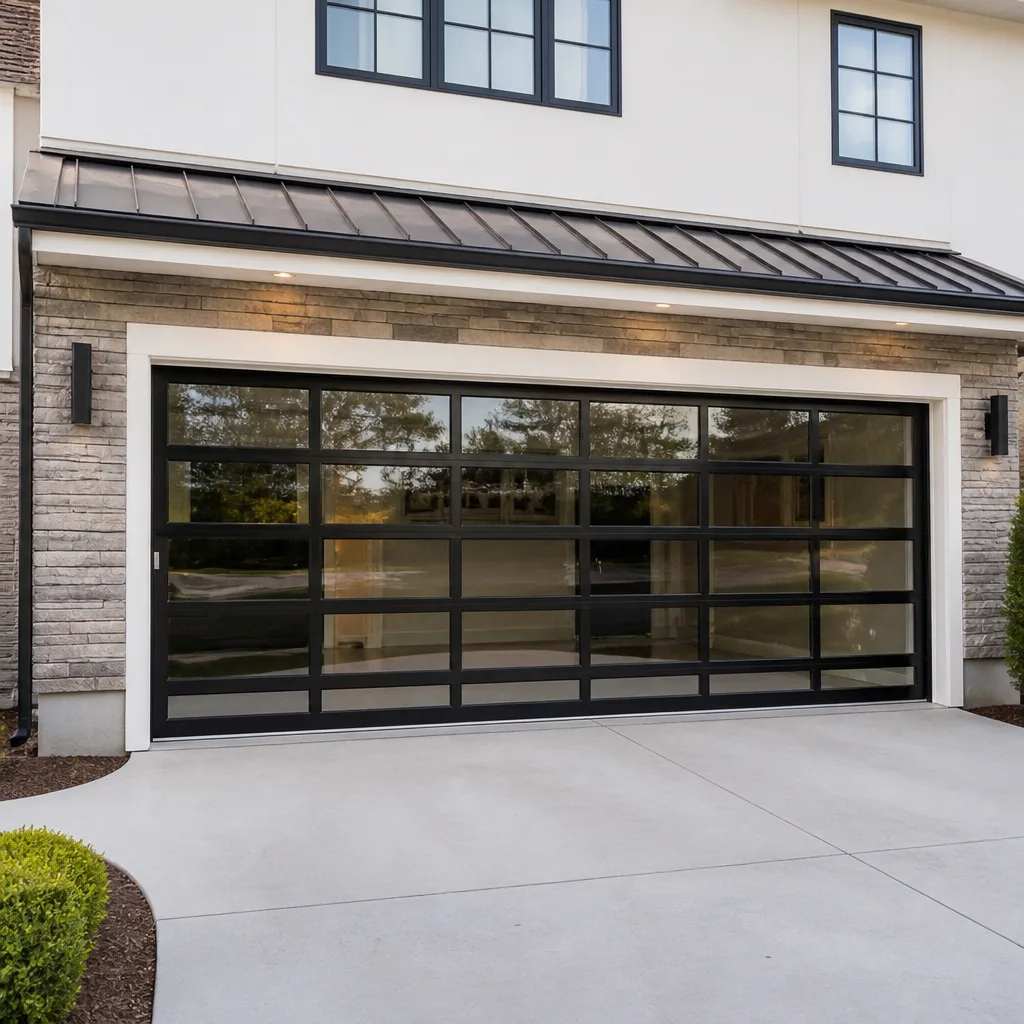 Full-view glass
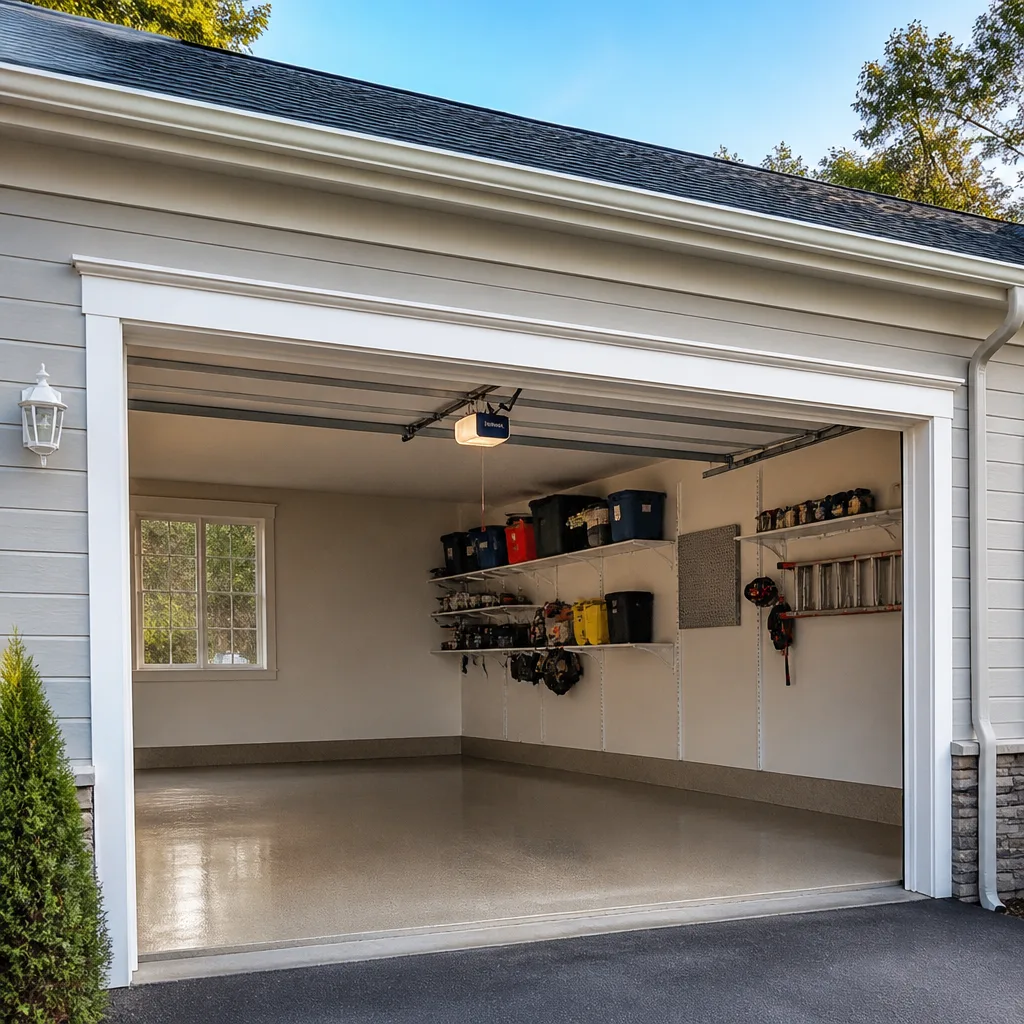 LiftMaster openers
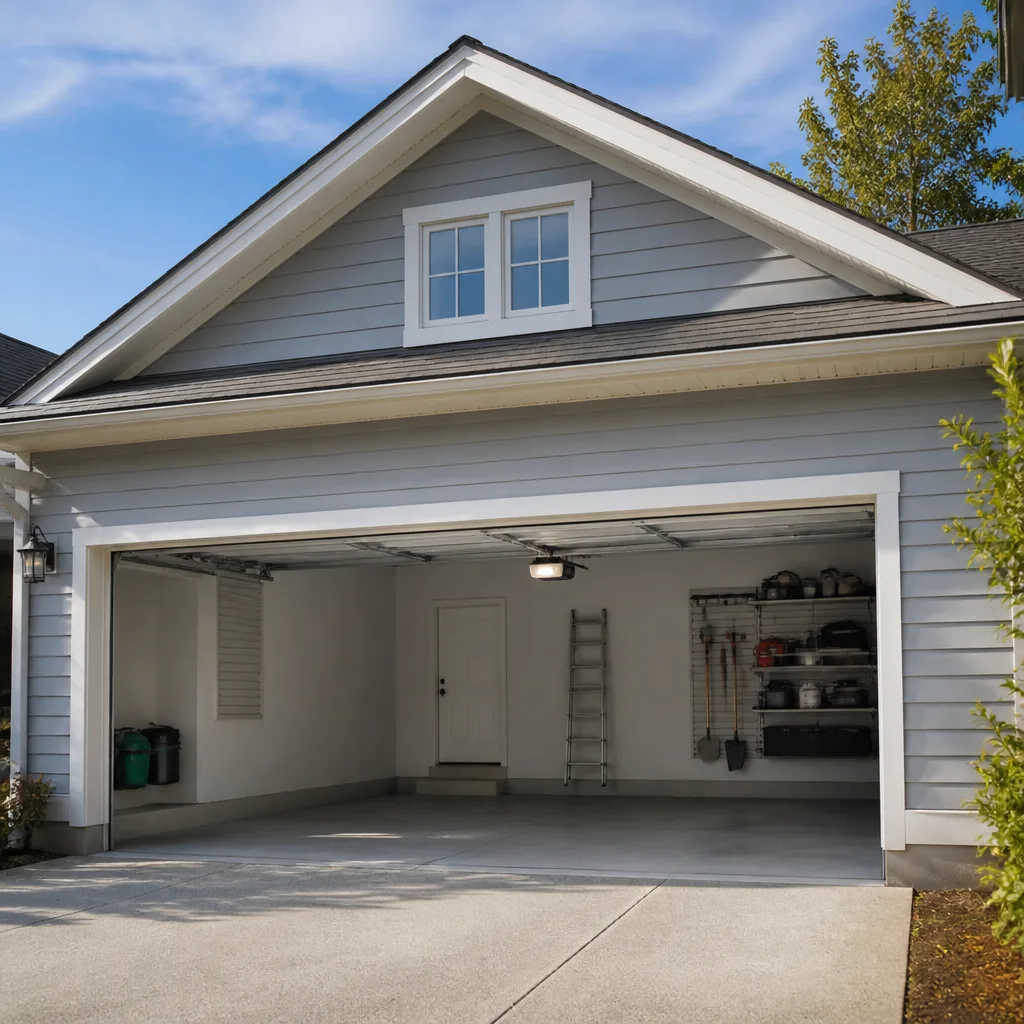 Chamberlain openers
Full 25-point door and opener safety check with every visit - springs, cables, rollers, tracks, and your LiftMaster or Chamberlain opener included
You get a price before we start. It does not change when the pro arrives.
Get your free estimateGarage Door Repair Maintenance Schedule: What to Do and When
Most Pittsburgh homeowners expect their garage door to fail in January, when the cold is deepest. In our experience, the busiest month for broken springs is March. By then, a torsion system that was tensioned for winter cold has to move a door that’s been binding for months, and the warmer, heavier air removes the last bit of margin. The door that survived the coldest week of the year often gives out on the first mild one. What follows is a maintenance schedule built around that reality: four seasonal checkpoints keyed to what Pittsburgh weather does to metal, rubber, and mechanical tension, plus the tests you can run yourself between professional visits.
Quick Answer
A garage door needs a short safety inspection once a month, a DIY lubrication and balance check every season, and a professional tune-up about once a year. In Pittsburgh, the heaviest wear lands in February and March (freeze-thaw and spring tension) and in July and August (humidity and rubber). The single most useful habit is testing the spring balance once a month, because it tells you when a spring is losing tension before it breaks.
Styles & brands we work with
- Raised-panel steel
- Carriage house
- Modern flush
- Full-view glass
- LiftMaster openers
- Chamberlain openers
Table of Contents
- Why a Pittsburgh Garage Door Needs Its Own Schedule
- The Month-by-Month Schedule for Pittsburgh
- Which Lubricant Goes Where (and What to Never Use)
- How to Test Spring Balance in Under Two Minutes
- Catching Frayed Cables Before They Snap
- The Monthly Safety Reverse Test
- What Property Managers Should Track Differently
- What a Professional Tune-Up Actually Covers
Why a Pittsburgh Garage Door Needs Its Own Schedule
A garage door is a balance of opposing forces: springs pulling up, gravity pulling down, and a motor moving both. Every part of that system reacts to temperature. Pittsburgh gets four genuinely different seasons, and each one stresses a different component of the door.
Winter brings the freeze-thaw cycle. Water gets into the track, the hinges, and the bottom seal, then freezes overnight and expands. That expansion is why a door that rolled smoothly in November suddenly screeches in January. The cold also stiffens the grease already on the moving parts, which adds drag the opener has to overcome.
Spring brings the tension problem. A torsion spring is a metal coil under constant load. Cold metal is more brittle; warm metal is more elastic. The transition between the two is when a fatigued spring is most likely to fail. March is the month we field the most spring calls, and it’s not a coincidence.
Summer is the humidity season. Steel tracks, hinges, and rollers can develop surface rust when the air is heavy and wet. Wooden door panels and some composite materials absorb moisture and swell, which throws off alignment. Rubber seals soften and can start to sag or tear.
Autumn is the debris season. Pittsburgh’s tree cover means leaves, twigs, and grit collect in the track and the bottom seal. If that debris isn’t cleared, it gets ground into the rollers and the tracks, and the wear accelerates through the winter. A maintenance schedule that ignores this rhythm misses the actual cause of most breakdowns.
The Month-by-Month Schedule for Pittsburgh
Here’s how a full year breaks down for a typical single-family garage door in Pittsburgh. The exact timing shifts with how much the door is used, but the pattern holds.
January and February: The Cold-Month Checks
Cold weather is the worst time for a door to fail, so these months are about keeping the mechanism limber. Listen to the door as it opens: a grinding or scraping sound means metal-on-metal contact that needs attention. Check that the bottom seal still contacts the floor evenly, because a gap lets cold air and moisture in and stresses the seal. If you use the door heavily in winter, this is when a professional tune-up earns its keep.
March and April: The Spring and Balance Window
This is the critical stretch. Run the balance test (below) once a week through March, then monthly. Clean out anything the freeze-thaw cycle pushed into the tracks. Listen for a change in the sound the door makes as it travels: a smoother, quieter door in April usually means the winter didn’t do permanent damage.
May and June: The Pre-Summer Lubrication Pass
Before the humidity arrives, lubricate the moving parts so the door is protected when the air turns heavy. Check the weather seal around the perimeter of the door for cracking or separation. This is also a good time to look at the opener’s safety sensors and confirm they’re aligned and clean.
July and August: The Humidity Check
Watch for surface rust on the tracks and hinges, and check whether any door panels have started to swell or warp. Humidity is hard on rubber and on painted steel. Clear the track of any grit that’s accumulated, and confirm the door still closes flush against the floor.
September and October: The Debris and Seal Pass
Clear leaves and debris out of the tracks and the bottom seal. This is the single most worthwhile task of the fall in Pittsburgh, because a clear track means less grinding all winter. Inspect the bottom seal for cracks and replace it if it’s failing; a worn seal lets water in, and water is what freezes and expands in the track.
November and December: The Pre-Winter Prep
Do a full visual inspection of springs, cables, rollers, and hinges. Test the safety reverse one final time. Confirm the opener’s light and sensors are working, since shorter days mean more use in the dark. If anything looks worn, resolve it now, when the weather is on your side.
Which Lubricant Goes Where (and What to Never Use)
Lubrication is the most misunderstood part of garage door maintenance. Done right, it extends the life of hinges, rollers, and springs. Done wrong, it can actually shorten spring life.
Here’s the component-by-component breakdown:
- Torsion springs: Use a dedicated garage door spring lubricant or a light white lithium grease, applied sparingly once or twice a year. Never use a spray that’s designed to clean and degrease, because it strips the protective coating rather than adding slickness.
- Hinges: A few drops of light oil or a lithium spray on the pivot points. Wipe off any excess so dust doesn’t collect.
- Rollers: Steel rollers get a drop of light oil on the bearing. Nylon rollers usually need nothing at all, and adding oil can attract grit that wears them out faster.
- Tracks: Nothing. Tracks should be clean and dry. Greasing a track collects dirt and debris and makes the door drag, which is the opposite of what you want.
- Chains on chain-drive openers: A chain-specific lubricant, applied lightly, following the opener manufacturer’s guidance.
Now the mistake people ask about most often: WD-40 on springs. The standard WD-40 product is a water-displacement and light-cleaning spray, not a lasting lubricant. It gives a momentary slick feel, but it also strips away the heavier coating that protects the spring and attracts dust. Applied repeatedly to a torsion spring, it can leave the spring drier than it started and shorten its service life. If a can of WD-40 is the only thing in the cabinet, leave the spring alone until you have the right product. For owners of Clopay, Amarr, or Wayne Dalton doors where the manufacturer specifies a particular lubricant, follow that guidance.
How to Test Spring Balance in Under Two Minutes
This is the highest-value check you can do yourself, and it takes less than two minutes once you know the steps. It tells you whether your springs are still carrying their share of the door’s weight.
- Disconnect the opener. Pull the emergency release cord (usually a red handle hanging from the rail) so the door is on manual operation. Make sure no one else is in the garage.
- Raise the door about halfway. Lift it by hand slowly and steadily. Note how much effort it takes.
- Let go. The door should hold roughly where you left it, maybe drifting a few inches. A balanced door stays put.
- Observe. If the door sinks toward the floor, the springs are losing tension. If it rises on its own, the springs are overtensioned or there’s another adjustment issue.
- Reconnect the opener. Push the release lever back into position and test the door through a full cycle.
What the result tells you: a door that holds steady is in good shape. A door that drops even a few inches when you let go is telling you the springs are fatigued. That doesn’t mean they’ll fail tomorrow, but it does mean the door is now being held by the opener motor rather than the springs, and the motor will wear faster. A door that rises on its own needs a professional to rebalance the system.
Important safety note: this test is done with the door stationary and disconnected, not on the springs themselves. Torsion springs are under extreme tension, and adjusting or removing them without the proper tools and training is genuinely dangerous. If your balance test shows a problem, that’s the moment to call in someone who works on springs every day. We can walk you through it over the phone and, if needed, come out to take a look. Call (844) 643-1812. We answer 24/7. Fast dispatch from 7am to 7pm, Sunday through Friday.
Catching Frayed Cables Before They Snap
Cables and springs work together: the springs supply lifting force, and the cables transmit it up the sides of the door. A cable that frays is a cable that’s about to snap, and a snapped cable can whip loose with real force. The good news is that frayed cables are visible long before they fail.
Here’s what to look for on a visual inspection, done with the door closed and the opener disconnected:
- Fraying or broken strands. Run a gloved hand along the length of the cable (never a bare hand) and watch for stray wires poking out. A single broken strand is the first warning sign.
- Uneven spacing. The cable should sit evenly on the drum at the top of the door. If it’s tangled, bunched, or wound unevenly, the door is being pulled asymmetrically.
- Rust or discoloration. A rusty cable is a weakening cable. Pittsburgh humidities in July and August are hard on unprotected steel.
- Kinks. A kink in the cable means it’s been stressed past its elastic limit. Even if it hasn’t broken yet, it’s compromised.
- Loose drums. The cable drum at the top of the door should be snug against the shaft. Any wobble is a sign of wear.
If you find fraying on one cable, inspect the other side too. Cables usually age together, and a matched replacement is more reliable than replacing one at a time. If you’re not comfortable looking, a professional can inspect both cables in minutes as part of a tune-up. Wayne Dalton and Genie systems in particular have specific cable and drum configurations, and matching the parts correctly matters.
The Monthly Safety Reverse Test
The safety reverse is the feature that stops the door and reverses it if something is in the way. It’s the most important safety feature on an automatic garage door, and it’s the one most often ignored.
The test takes about a minute. With the door open, place a solid object (a 2×4 laid flat works well) on the floor in the path of the door. Press the close button. The door should contact the object, reverse, and return to the open position. If it stops without reversing, or doesn’t reverse at all, the opener needs adjustment or service.
This test should be run monthly. It’s the check most likely to reveal a problem before someone gets hurt, and it’s the one most worth doing even if you do nothing else. If you have a LiftMaster or Chamberlain opener with the built-in safety beam, test that beam too by placing an object in its path; the door should refuse to close at all.
What Property Managers Should Track Differently
If you manage rental units, a small commercial building, or a multi-unit property in Pittsburgh, your maintenance schedule looks different from a single-home owner’s. A homeowner can tolerate a stuck door for a few days. A property manager can’t, because a resident without a working garage door is an emergency.
The differences that matter:
- Track everything, by unit. Each door needs its own log: date of last tune-up, spring replacement history, opener model and manufacture date, any notes on repeated issues. A door that’s failed twice in a year is telling you it needs replacement, not repair.
- Schedule by building, not by door. When a technician is already on-site for one door, the marginal cost of tuning up the others is low. Batch the work by season, not by individual unit.
- Budget for the springs. Torsion springs are the single most common failure point on any door, and every spring has a finite cycle count. Allocating replacement costs annually is more predictable than reacting to unplanned failures.
- Document the door types. If your property has Clopay, Amarr, or Raynor doors, record the model and panel type so replacement parts match. Mixing parts across brands is where guesswork creeps in.
- Keep the resident informed. A simple note on the maintenance schedule (what gets checked and when) reduces complaint calls and helps residents understand why a door is being serviced.
For a property with eight or ten doors, that record-keeping alone will tell you which units are due for replacement and which are worth keeping. If you need someone who can service the specific brands you already have across a whole property, Tidewater Garage Door Repair works on eight major door and opener brands, which means we can be the single point of contact for a mixed-property maintenance plan.
What a Professional Tune-Up Actually Covers
A yearly professional tune-up isn’t the same as an oil change. It’s a full inspection of a mechanical system that’s been cycling every day for a year. Here’s what it covers.
- Spring inspection: checking for fatigue, cracks, and correct tension, and confirming the balance test result matches the physical condition of the springs.
- Cable inspection: a full look at both cables, the drums, and the anchor points.
- Track and roller check: looking for bends, misalignment, and worn rollers, plus a clean-out of debris.
- Hardware tightening: hinges, brackets, and bolts loosen from daily cycling; each gets checked and snugged.
- Opener service: checking the chain or belt tension, the logic board health, and the safety sensors. Opener electronics are the part of the system most generalists treat as an afterthought; a tune-up that skips the opener leaves the motor unexamined.
- Weather stripping and bottom seal: checking for cracks, gaps, and uneven contact with the floor.
- Safety reverse test and final balance verification.
Done properly, a tune-up catches problems while they’re still cheap to fix. Done poorly, it’s a quick look and a bill. The best sign of a proper tune-up is a technician who can tell you exactly what brand of door and opener you have, what condition each component is in, and why. A brand-matched diagnosis is what separates a maintenance visit from a sales call. We work on your brand, whether it’s a Genie or a Clopay, and we diagnose before we replace.
For a repair that’s urgent rather than routine, our garage door repair team handles the same brands, and our garage door opener repair specialists work on the motor and electronic side the same way. A maintenance schedule reduces how often you need either. When you do need an installation, our team handles that too, which means one point of contact for the full lifespan of the door.
Common Mistakes to Avoid
- Greasing the tracks. Grease traps grit, and grit wears the rollers and the door. Tracks should be clean and dry; the rollers and hinges get the lubricant, not the track.
- Spraying WD-40 on the springs. The standard product is a cleaner, not a lasting lubricant. Repeated use strips the protective coating and shortens spring life. Use a dedicated spring lubricant instead.
- Ignoring the balance test in March. Pittsburgh’s spring transition is the period of highest failure risk. A door that tested fine in December can be drifting by March, and the drift is the warning.
- Waiting for a snap before investigating a fray. A frayed cable is visible for weeks or months before it breaks. Treat any stray wire as a reason to call, not a curiosity.
- Skipping the monthly safety reverse test. This is the single most important safety check on the whole door, and it takes under a minute. A door that doesn’t reverse is a hazard to anyone in its path.
- Assuming winter snow is the problem when the real issue is a wet summer. Freeze-thaw gets blamed for everything in Pittsburgh, but humidity is what rusts the tracks. The July and August checks catch problems that show up in January.
- Letting a property door fail twice before replacing it. A door with two failures in a year is telling you something. Replacing it costs less over time than repeated emergency calls.
See the difference
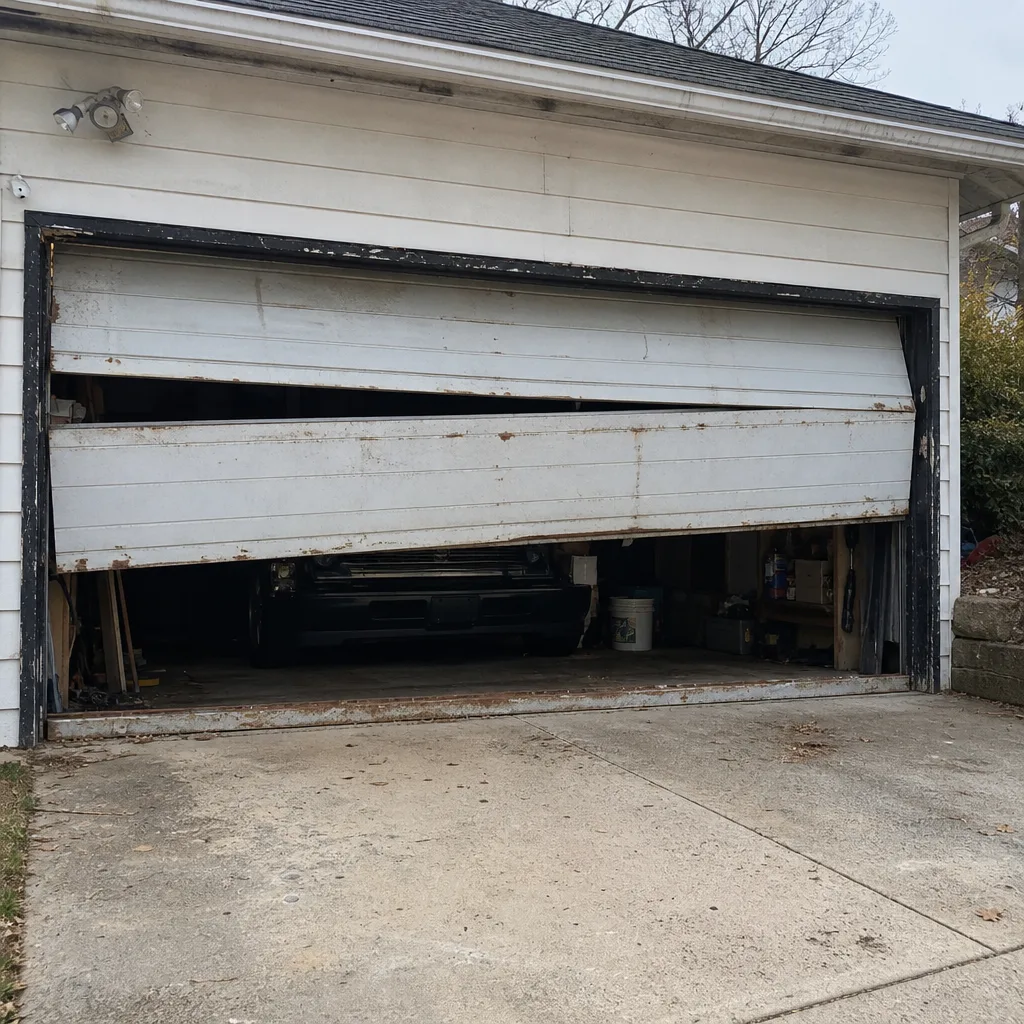 Before
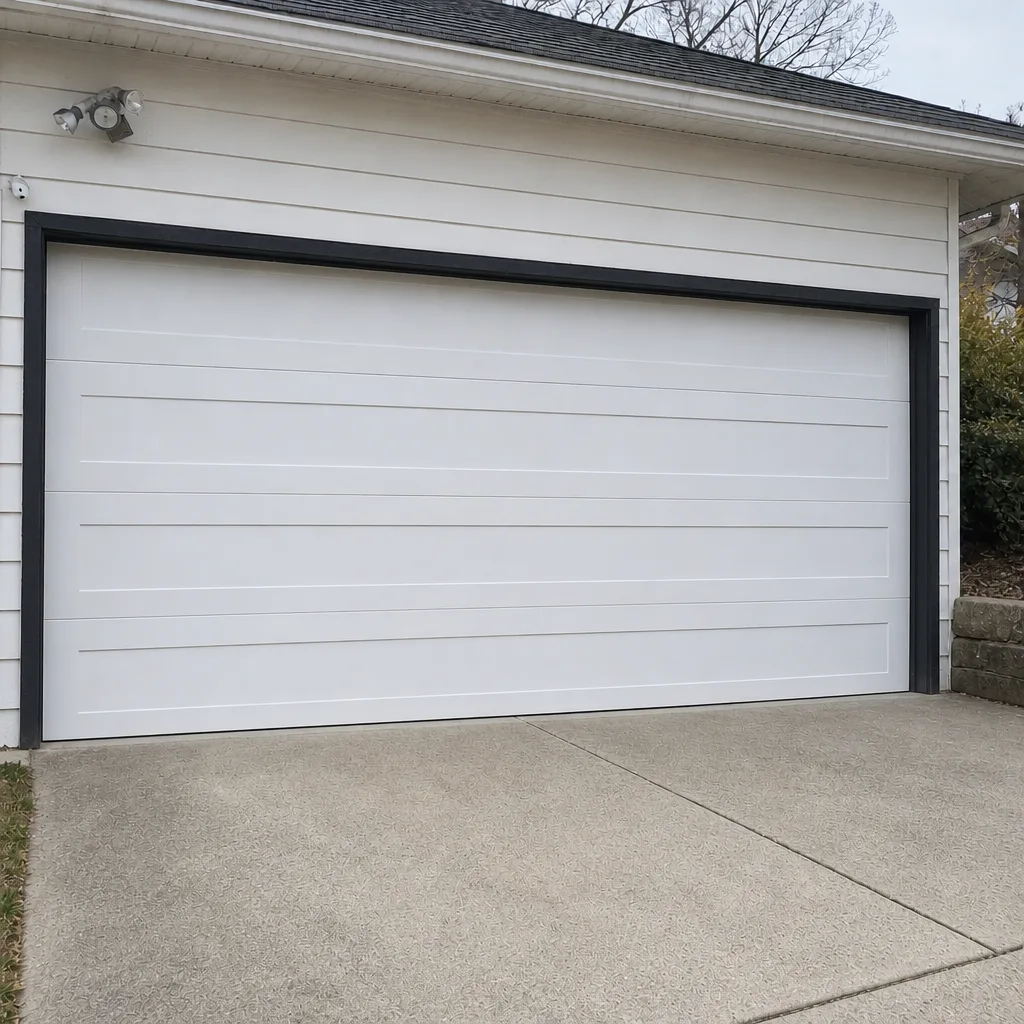 After
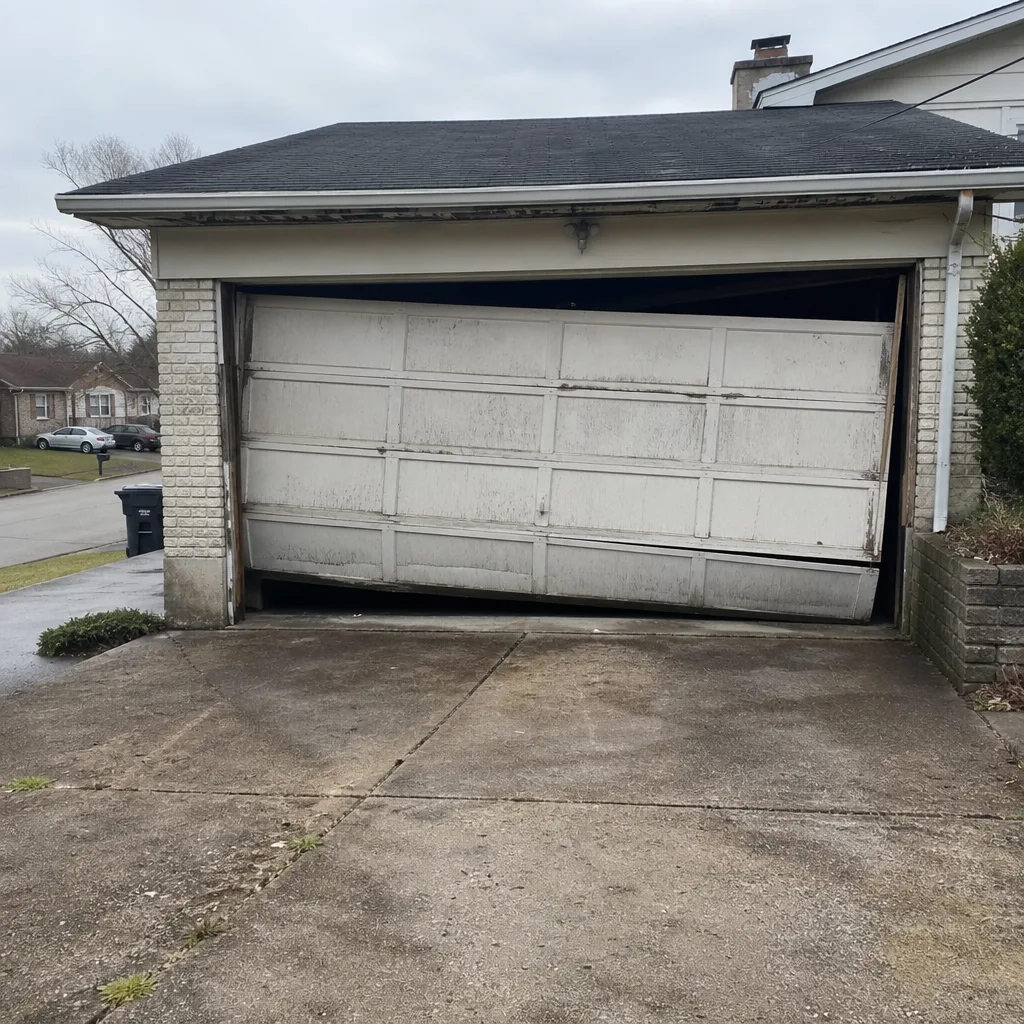 Before
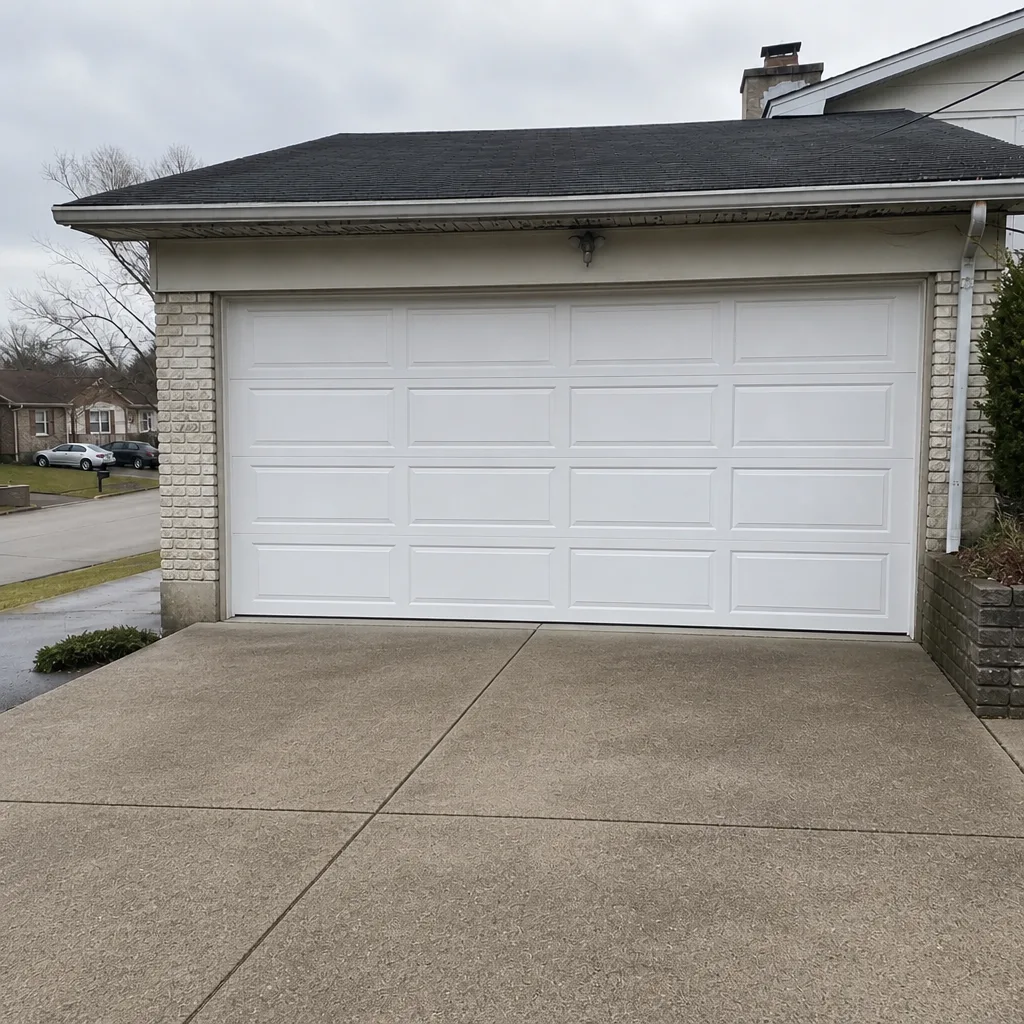 After
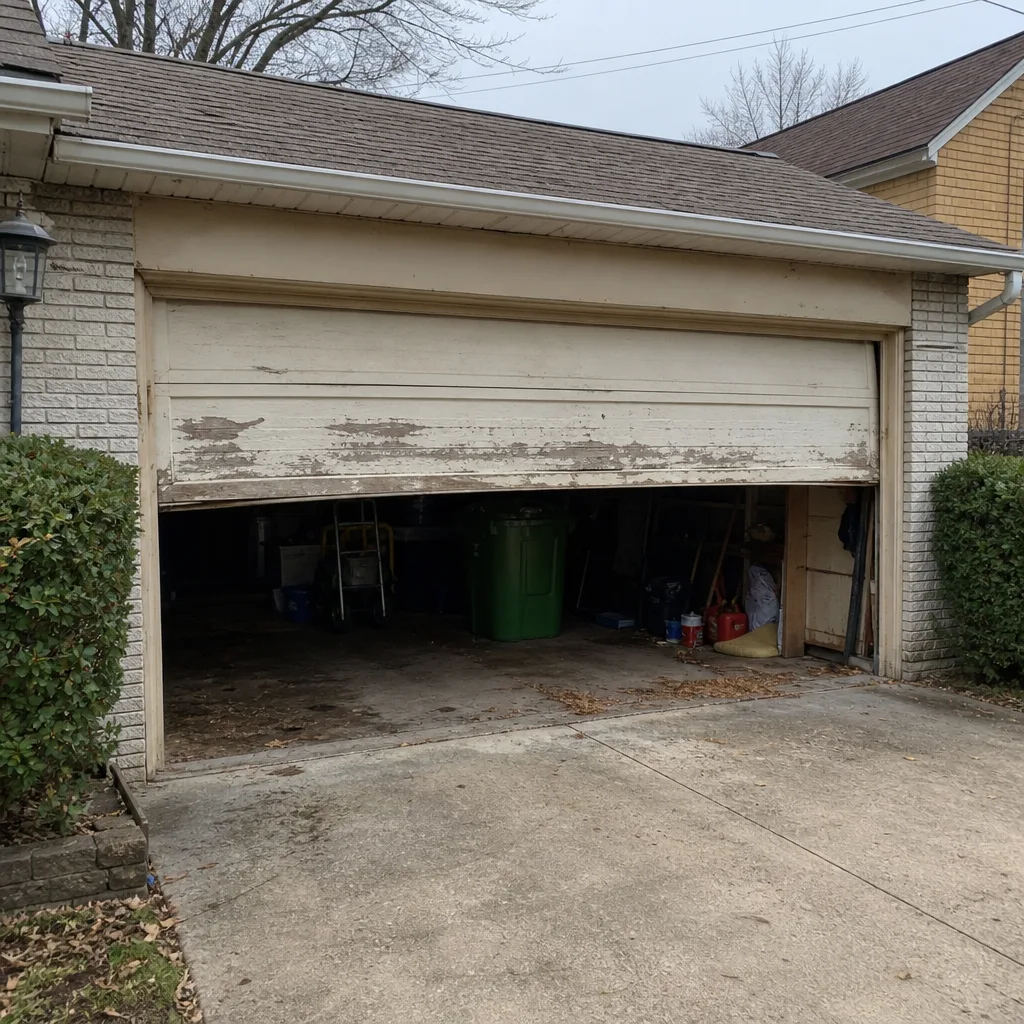 Before
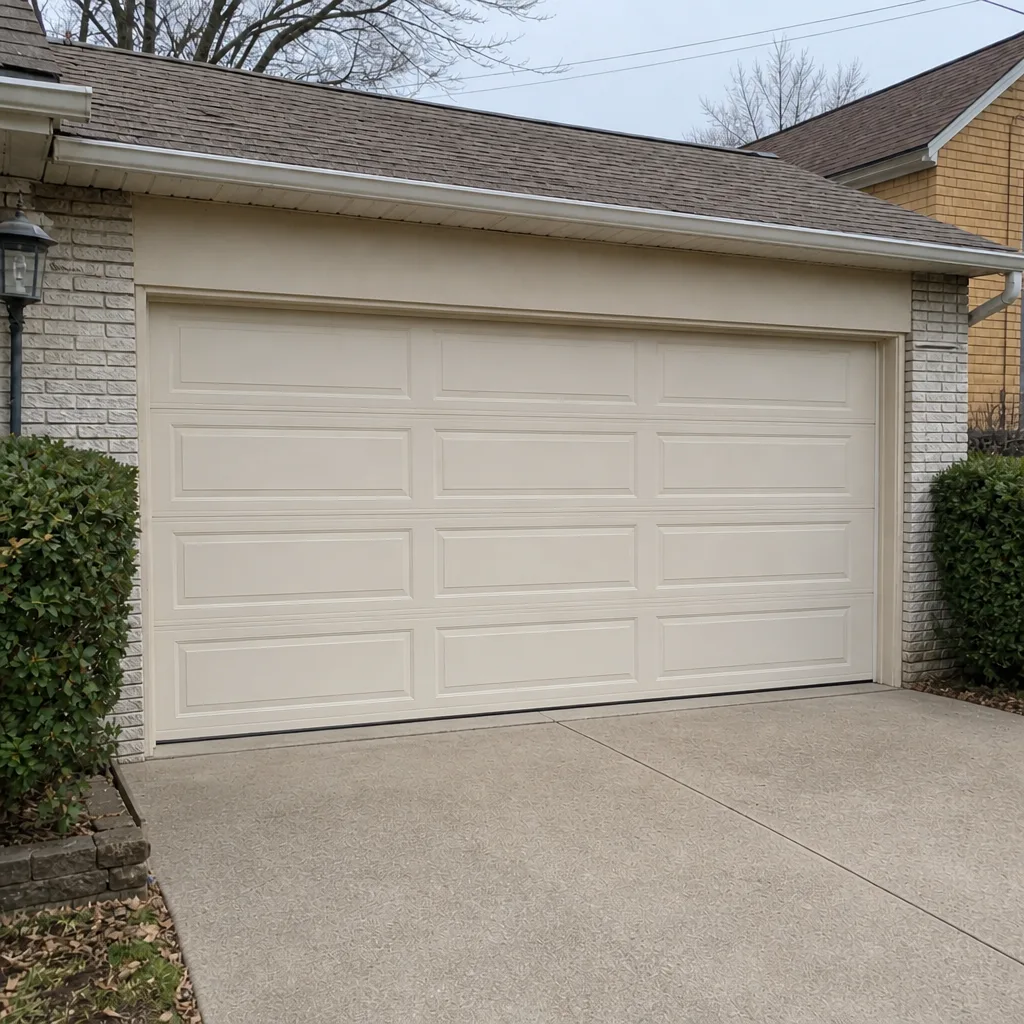 After
When to Call a Professional
Some jobs are meant for a Saturday afternoon and some aren’t. The balance test, the visual inspection, the monthly safety reverse check, and lubrication are all DIY tasks if you’re comfortable with a screwdriver and a can of grease. The moment the diagnosis points to the springs, the cables, or a rebalancing job, that’s the point to call.
You should also call when the door makes a loud bang from near the shaft (the classic sound of a torsion spring letting go), when the door won’t close flush against the floor and the seal isn’t the cause, when the opener continues to cycle without moving the door, or when the cables show any sign of fraying. These are jobs where getting the specific brand right matters: a Clopay spring, an Amarr cable, and a Genie opener sensor are each different, and a technician who knows the differences will diagnose the real failure instead of replacing parts until something works.
Operating a garage door with a compromised spring or cable is genuinely risky, and the parts are under serious tension. Do not attempt a spring adjustment or cable replacement yourself. Tidewater Garage Door Repair offers free estimates in Pittsburgh – call (844) 643-1812.
Frequently Asked Questions
Once a year is the standard for a typical homeowner, ideally in early spring or late fall so the tune-up catches the winter or summer damage before it compounds. If your door cycles more than a few times a day, or if it’s on a property with multiple units, twice a year is a better fit. Call (844) 643-1812 for an exact quote – estimates are free.
Because March is when the temperature swings. A spring under constant load behaves differently in cold, brittle metal than in warm, elastic metal, and the transition is when a fatigued spring is most likely to fail. A door that survived January is often the one that breaks in the first mild week of March. Call (844) 643-1812 for an exact quote – estimates are free.
Use a dedicated garage door spring lubricant or a light white lithium grease, applied sparingly once or twice a year. Do not use standard WD-40, which is a cleaning and water-displacement spray that strips the protective coating. If you’re not sure which product suits your door, ask a technician during a tune-up.
Look for fraying, broken strands, kinks, uneven wrapping on the drum, or rust. Frayed cables are visible long before they snap, so a visual inspection once a month gives you time to replace a cable before it becomes an emergency. Never handle the cable bare-handed; use a glove. Call (844) 643-1812 for an exact quote – estimates are free.
The biggest difference is the freeze-thaw cycle, which stresses the tracks, hinges, and seals twice a year, and the spring transition in March. Summer humidity also rusts unprotected metal and swells wooden panels in ways that a dry climate doesn’t. A four-season schedule, rather than a single annual checklist, is what catches the worst of it.
Yes. We work on products from eight major manufacturers, including LiftMaster, Chamberlain, Genie, Clopay, Amarr, Wayne Dalton, Craftsman, and Raynor. Brand-matched diagnosis matters because a Genie sensor and a Wayne Dalton cable assembly are not interchangeable, and the right parts save you a return visit. For the broader Pittsburgh area, we’re the single point of contact from a first repair through a later installation.
The Bottom Line
A garage door maintenance schedule in Pittsburgh is really four checkpoints: cold-month inspection in January and February, the spring and balance window in March and April, the humidity and seal checks in July and August, and the debris clean-out in September and October. Between those points, the balance test, the monthly safety reverse check, and a visual cable inspection do most of the work. Lubricate the hinges, rollers, and springs with the right products; leave the springs, cables, and any rebalancing to a trained professional. If a check turns up a problem you can’t safely resolve, get a free estimate and let a brand-matched technician look at it.
Our technicians have up to 12 years of experience across the industry’s leading brands, and we’re steady service you can count on for the full life of your door. Call Tidewater Garage Door Repair at (844) 643-1812 for a free estimate. We answer 24/7. Fast dispatch from 7am to 7pm, Sunday through Friday, and closed Saturday.
Written by the team at Tidewater Garage Door Repair.