
Last updated November 15, 2026
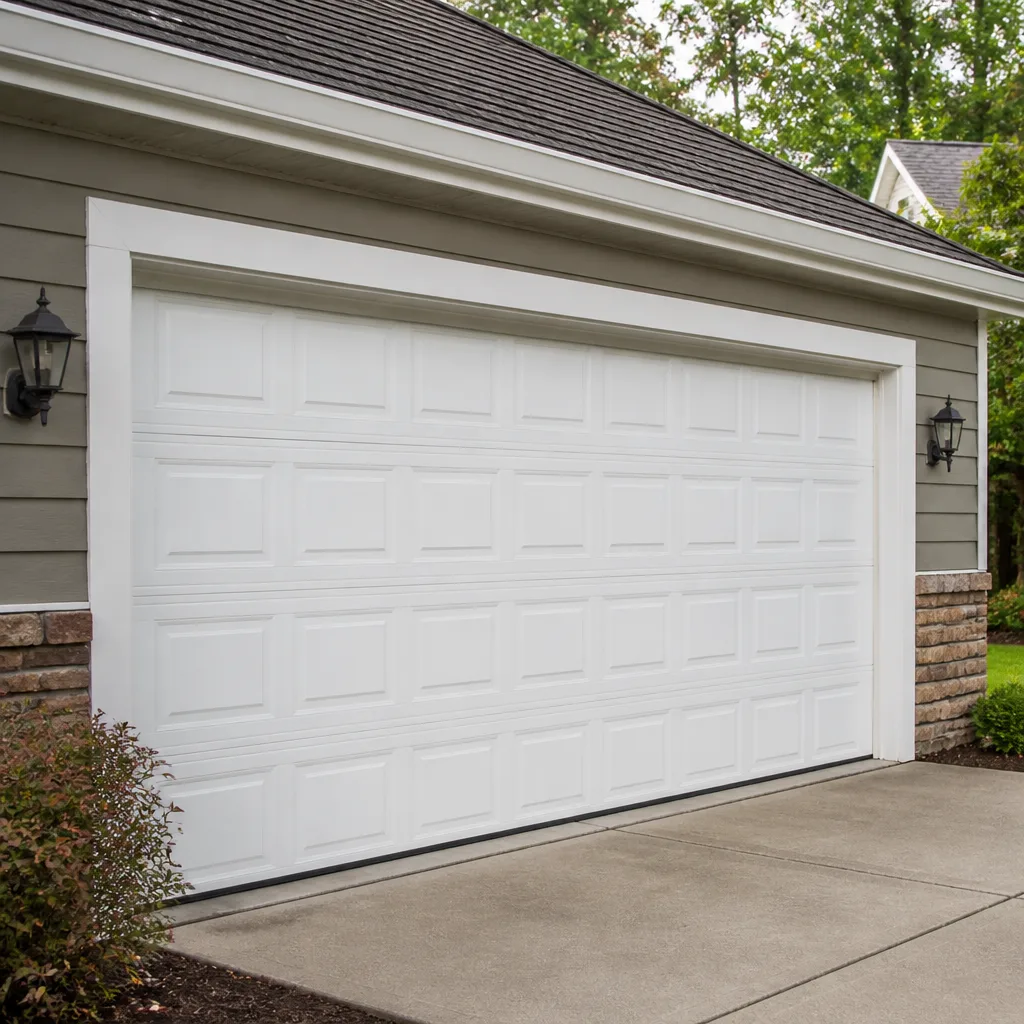 Raised-panel steel
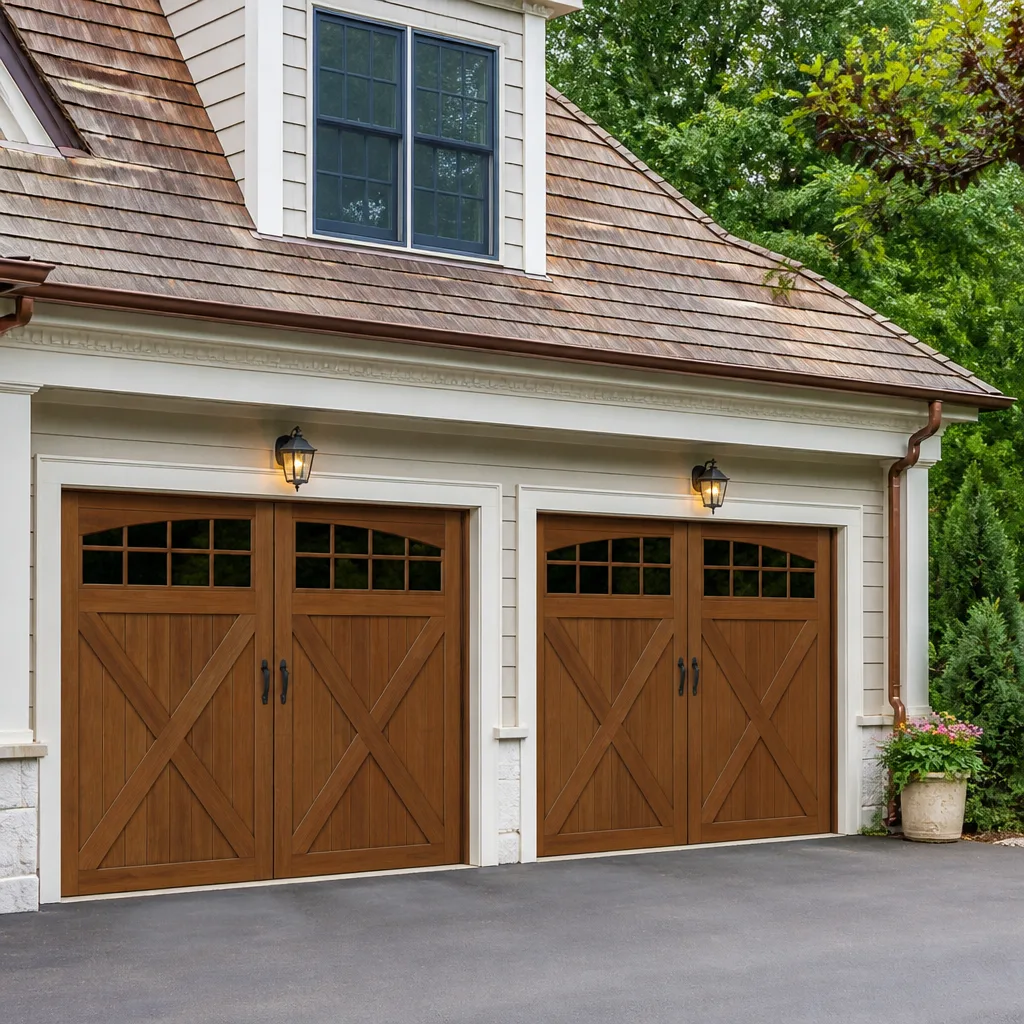 Carriage house
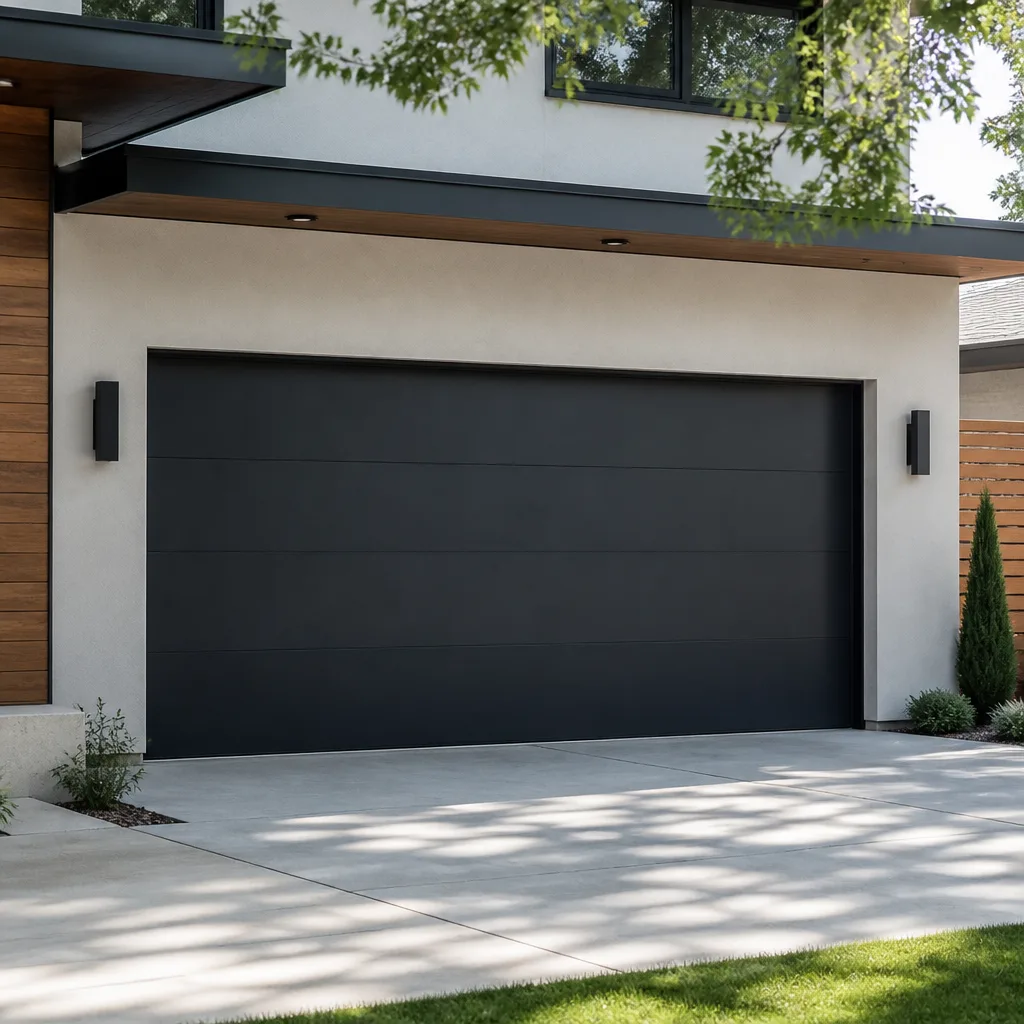 Modern flush
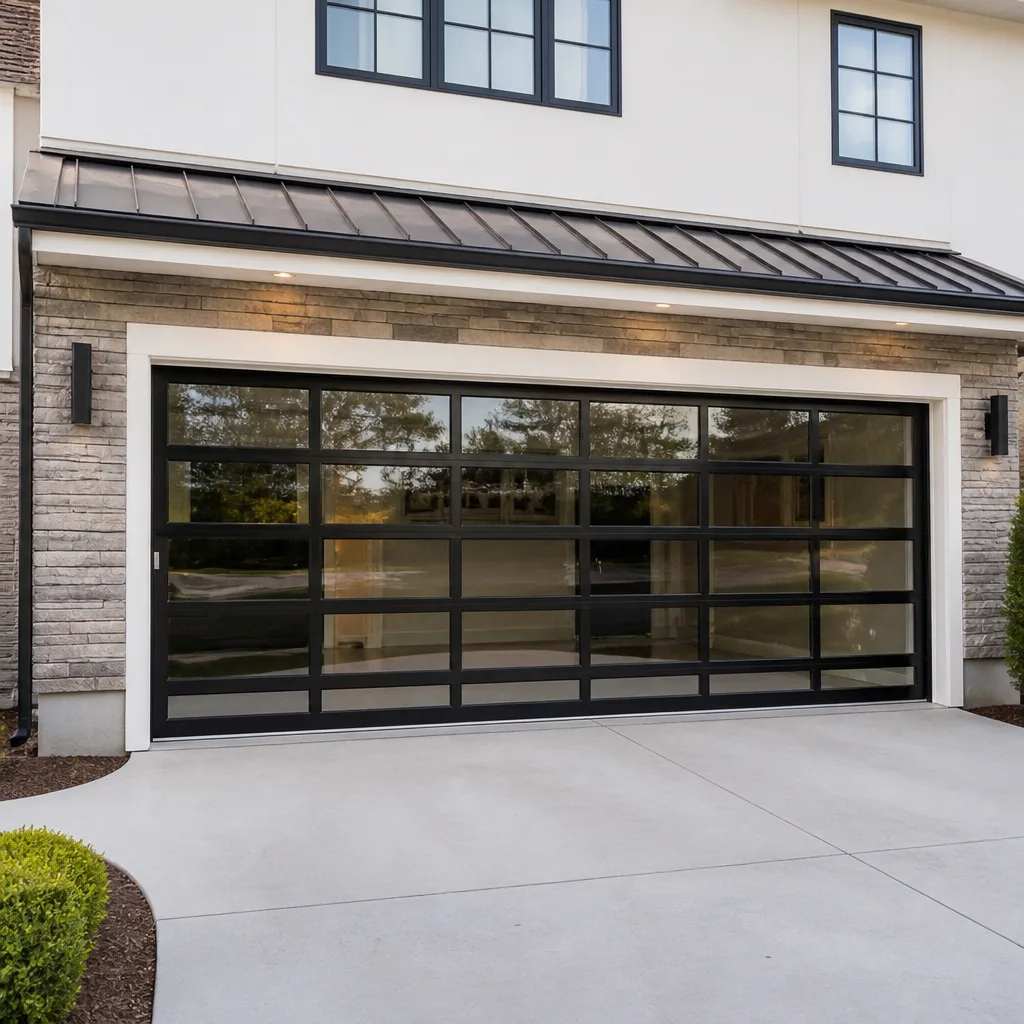 Full-view glass
 LiftMaster openers
 Chamberlain openers
Full 25-point door and opener safety check with every visit - springs, cables, rollers, tracks, and your LiftMaster or Chamberlain opener included
You get a price before we start. It does not change when the pro arrives.
Get your free estimateGarage Door Permits, Codes & Inspections in Pittsburgh, PA: What You Need to Know
Most Pittsburgh homeowners replacing a garage door assume the job needs no paperwork at all. In many cases they’re right. In plenty of others they’re wrong, and the gap doesn’t show up until a buyer’s inspector opens the door, a claims adjuster asks who did the work, or a title company wants a clean file. Garage door replacement sits in a confusing regulatory space here: City of Pittsburgh rules don’t always match the surrounding Allegheny County municipalities a mile away, “like-for-like” swaps are treated differently than structural changes, and the Pennsylvania Uniform Construction Code puts real teeth behind a document nobody thinks to ask for. This guide walks through where the lines fall, what inspectors look at, how unpermitted work affects insurance and disclosure, and how to fix a permit gap after the fact.
Quick Answer
A garage door replacement in Pittsburgh needs a permit when the work changes the opening, the header, the structural framing, or the door’s wind or safety rating, and it’s usually exempt when you’re swapping a door of the same size and type into the existing opening. City of Pittsburgh and Allegheny County municipalities do not all read this the same way, so the only reliable answer comes from the code office with jurisdiction over the address. Replacements follow the Pennsylvania Uniform Construction Code, and inspection focuses on attachment, springs, safety devices, and labeling.
Styles & brands we work with
- Raised-panel steel
- Carriage house
- Modern flush
- Full-view glass
- LiftMaster openers
- Chamberlain openers
Table of Contents
- City of Pittsburgh vs. Allegheny County Municipalities
- What the Pennsylvania UCC Requires
- What “Like-for-Like Replacement” Actually Means
- When a Garage Door Replacement Triggers a Permit
- What Inspectors Actually Check
- Insurance Claims and Pennsylvania Disclosure Rules
- How to Permit Work That Was Already Done
- How to Choose a Pittsburgh Garage Door Contractor
City of Pittsburgh vs. Allegheny County Municipalities: Why the Rules Differ
Garage door permit rules in Pittsburgh depend entirely on which code office has jurisdiction over the address. The City of Pittsburgh runs its own permitting through the Department of Permits, Licenses, and Inspections. Meanwhile, every borough and township around it – Mt. Lebanon, Shaler, Penn Hills, Bethel Park, Ross, Cranberry in Butler County just to the north – administers its own permits under the Pennsylvania Uniform Construction Code. Some enforce quietly with a simple over-the-counter review. Others treat any change to a garage opening as an alteration that requires drawings and an inspection.
That creates a genuinely awkward situation for a homeowner who moved from Squirrel Hill to McCandless and assumes the same rules apply. They don’t. The scope of the work may be identical; the paperwork is not.
Here’s what actually differs between jurisdictions:
- Whether a permit is required at all. Some municipalities issue permits for any garage door replacement that includes a new opener. Others only want one when the opening changes.
- Who can pull the permit. A few municipalities require the licensed contractor to file. Others let the homeowner file as an owner-occupant.
- What submittals are expected. Level of detail ranges from a one-page form and product spec sheet to engineered drawings of the header and jambs.
- Inspection sequence. Some want a rough framing inspection before the door goes up and a final after. Others inspect only at the end.
- Fees. Fees are set locally and vary.
When you’re planning replacement work in Pittsburgh or any of its suburbs, the first phone call should be to the municipality’s code office, not the door company. Ask one question plainly: “I’m replacing a garage door of the same size at this address. Do I need a permit, and does that answer change if the opening changes?” Write down the answer and the name of who gave it. That note is worth more than any verbal assurance from a salesperson. If the scope later expands, call back and confirm the answer still holds.
What the Pennsylvania Uniform Construction Code Requires for Residential Garage Doors
The Pennsylvania Uniform Construction Code is the statewide building code adopted under the Pennsylvania Construction Code Act, and it applies to residential construction in every municipality in the state – including those that administer it locally. The UCC adopts the International Residential Code for one- and two-family dwellings, and the IRC sets out rules for garage doors and the openers attached to them. Most of what a homeowner needs to know lives in a handful of provisions:
Attachment and structural support. The IRC requires that a garage door be securely attached to the framing and that the framing itself be capable of carrying the door’s load. A door that’s been hung on a header that wasn’t engineered for its weight – common in older Pittsburgh homes where a previous owner swapped steel for wood or vice versa – is a structural question, not a cosmetic one, and it is exactly what triggers an alteration permit.
Automatic-closing safety devices. Residential garage door openers are required to be equipped with an automatic safety feature that reverses the door on contact. This has been in code for decades, but inspectors in older Pittsburgh neighborhoods still find openers installed without working contact reversal. A new opener installation almost always prompts a safety check at inspection.
Labeling. The door and its components are required to be labeled by the manufacturer in accordance with standards set by nationally recognized testing bodies. That label matters at inspection time: if the door you buy is unlabeled or the label is removed during installation, the inspector has no way to verify the assembly was tested as a system.
Wind and impact provisions where applicable. Much of the IRC’s wind provisions don’t apply to Pittsburgh’s inland, hilly geography in the way they apply to storm-prone coasts, but garages that are attached to a dwelling can fall under adjacent structural requirements if the door is part of a rated assembly. Ask the code office to clarify this for your specific address rather than assuming.
What the UCC does not do is spell out a garage-door-specific permit trigger. That’s set by each municipality’s adoption ordinance and administrative policy. The UCC provides the technical standard; the local office decides when you have to file under it.
What “Like-for-Like Replacement” Actually Means – and When It Exempts You
“Like-for-like” is the phrase every homeowner hears from a salesperson and almost nobody has defined for them. In code terms it means the new door matches the existing door in the ways that matter to the code official: the size of the opening, the material and type (sectional steel for sectional steel, wood for wood), the operating mechanism (torsion for torsion, extension for extension), and the safety devices. If all of those match, many jurisdictions treat the replacement as repair-level work rather than an alteration and skip the permit.
Like-for-like does not cover:
- Widening, narrowing, or raising the opening even by a few inches
- Switching a manually operated door to an opener-powered door, or replacing a manual door with an automatic assembly
- Changing from an extension-spring setup to a torsion setup (or the reverse)
- Altering or replacing the header, jambs, or surrounding framing
- Adding windows, insulation, or a rated assembly where none previously existed if the code office treats that as a change of assembly
- Replacing an old door with one that has a different wind rating or impact rating, where the code official considers the rating part of the assembly’s identity
The trap is real. A homeowner with a 1950s ranch in Brookline replaces a single-car wood door with a modern steel Clopay assembly. Same size, same place, same function – feels like-for-like. But if the opening had to be re-framed because the original header had sagged, the job is no longer a like-for-like replacement. It’s structural repair plus a door installation. That’s a permit. The written scope of work should spell out whether framing is being touched, because that single sentence is what separates a compliant swap from a scramble later.
When we quote garage door repair or replacement in Pittsburgh, we ask every customer to confirm scope in writing before the job is scheduled. A door of the same size going into an untouched opening is a very different job than one going into an opening that’s been modified.
When a Garage Door Replacement Triggers a Permit
A garage door replacement triggers a permit in Pittsburgh when the job changes the structure, the opening, or the rated assembly. The clearest triggers are the ones that touch framing, the header, or the door’s manufacturer label. Anything less and it depends on the municipality.
The short checklist we use to help customers frame the question for their code office:
- Is the opening size changing? Even an inch of width change is usually a permit in every jurisdiction.
- Is the header, jamb, or surrounding framing being altered? Structural touch means a permit and likely an inspection.
- Is the operating mechanism changing type? Extension to torsion, or manual to automatic, is often treated as an alteration.
- Is a new opener being installed with the door? Some municipalities fold the opener into the door permit; others want a separate electrical review.
- Is the door rated assembly being changed? If the original was rated for wind or impact, replacing it with an unrated door can be a permit event.
- Is this within City of Pittsburgh limits or a suburban municipality? Confirm which code office governs before you file anything.
If the answer to every question is no, you’re likely in like-for-like territory and the municipality may not require a permit. If any answer is yes, plan to file. In our experience, the time cost of a permit is small compared to the cost of a surprise at resale – and unlike emergency repair work, which we answer with fast dispatch from 7am to 7pm, a permit-mediated replacement is scheduled work. It moves on the municipality’s timeline, not ours. That’s one reason we encourage customers to sort the permit question early in the planning, so the door and the paperwork land together.
What Inspectors Actually Check
Inspectors in Allegheny County focus on the assembly working as a safe system rather than on the color of the door. The exact list varies by municipality, but the recurring items are consistent:
- Physical attachment. Is the track anchored to solid framing, and is the header carrying the load? Inspectors look at fasteners, not just the door.
- Springs and cables. Are the springs rated for the door’s weight? Are the cables routed correctly and secured at both ends? This is where a lot of homeowner-installed work fails.
- Safety devices. A functioning contact reversal and, for newer openers, a functioning photo-eye. If the eye isn’t aligned or is mounted too high, that’s a fail.
- Labeling and documentation. Manufacturer labels are checked against the submittals. If the door arrived without a label, or the label was cut off during trimming, the inspector has nothing to verify.
- Clearance and headroom. Does the door travel fully without hitting the ceiling or a light fixture?
- Electrical for the opener. An opener tied into an untested circuit or a missing junction box can turn into a second inspection.
A few of those items deserve a safety note. Torsion springs are under enormous tension, and cables are under load too. Adjusting either is one of the truly dangerous jobs in residential construction and causes severe injuries every year. If your new installation involves spring adjustments or cable re-tensioning – and most do – leave that to a trained technician. Do not attempt to loosen, tighten, or remove a spring or cable to “help” the inspection. Whatever the inspection turns up, a licensed technician can resolve it safely; a homeowner should not try.
We work with LiftMaster, Chamberlain, and Genie openers regularly, and one recurring finding we see is a homeowner who installed an opener themselves, skipped the safety eye, and now faces an inspection failure on the opener alone. In those cases we can diagnose the specific issue – a mis-aimed sensor, an unpaired remote, a logic board failure – rather than defaulting to a full replacement.
Insurance Claims and Pennsylvania Disclosure Rules
Unpermitted garage door work has two consequences that show up years after the job: claims friction and disclosure trouble.
On the insurance side, an adjuster investigating a claim – a door that failed and damaged a car, a wind event that pulled a door out of its track, a fire that started on an opener’s wiring – can and often will ask who installed the door and whether it was permitted. If there’s no permit and no license documentation, the claim can be delayed, reduced, or denied depending on the policy language. That’s not a scare tactic; it’s the predictable result of an unverified installation. Homeowner policies generally expect work affecting the structure to be done by qualified parties and to meet code.
On the disclosure side, Pennsylvania’s real estate seller’s disclosure law requires sellers to disclose known material defects and known problems with structural components. A garage door that was installed without a permit and doesn’t meet the current code standard – a missing safety reversal, a header that wasn’t framed correctly – is a material fact in a transaction. Buyers’ inspectors flag it. Title companies sometimes want it resolved. Sales get delayed or renegotiated over exactly this kind of question, and the seller pays to correct the work after the fact rather than during a planned renovation.
When a garage door replacement is done with a permit, the file is clean. The municipality has the submittal, the inspection has happened, and the paperwork is available if a buyer’s attorney asks. When it isn’t, the seller is proving a negative – and proving a negative in a real estate transaction is expensive.
For residential property managers in and around Pittsburgh, this is a maintenance-log concern as much as a code concern. Every replacement should land in the unit’s file with the permit or exemption on record, because the next sale or refinancing will surface it.
How to Permit Work That Was Already Done
Unpermitted garage door work can often be permitted after the fact in Allegheny County, but the process is heavier than filing upfront. The municipality will typically require an as-built submittal, an inspection of the installed assembly, and sometimes a documented correction of any deficiencies found. Expect the timeline to stretch.
Here is what the typical retroactive process looks like:
- Identify the code office with jurisdiction. Same rule as before – City of Pittsburgh or the surrounding borough or township. Confirm what they call an “after-the-fact” or “as-built” permit.
- Gather documentation. The manufacturer label on the door, the installation manual and spec sheet, the opener model, and any receipts or invoices from the installer. If the installer is unknown or unreachable, you’ll be proving what is present in the field.
- Submit an as-built application. Many municipalities want drawings of the opening as it stands now, not the original plans. That means measuring the header, jambs, and floor-to-header height, and photographing the installation from multiple angles.
- Schedule the inspection. The inspector will evaluate the assembly against current code, not the code in effect when the door went in. That distinction matters – a door installed years ago may meet the code at the time it was installed but fail today’s requirements if the safety device or labeling doesn’t match.
- Correct deficiencies. Most commonly missing or nonfunctional safety devices, an improperly secured spring anchor, or a door that fails to reverse on contact. This is where a technician does the correction.
- Pass final inspection and get the permit closed. That closes the file for real estate and insurance purposes.
Two things make retroactive permitting smoother. First, contact the municipality before you make corrections so you know exactly which items you’re correcting against – not just what a contractor assumes. Second, keep the door’s manufacturer label and manual with the house paperwork. If the installation was a recent Clopay or Amarr installation, the model number is discoverable and the spec sheet is retrievable.
If you’re trying to sort out whether existing work meets current code, garage door repair technicians can walk through the assembly with you and identify what’s likely to fail inspection before the inspector arrives. That’s often cheaper than guessing.
How to Choose a Pittsburgh Garage Door Contractor for Permit-Mediated Work
Picking the right contractor for work that touches a permit is a different exercise than picking one for a fast repair. The right questions are specific:
- Will they pull the permit under their license, or do they ask you to pull it as the owner? Either arrangement works, but you want to know upfront, because the responsibility for inspection falls on whoever holds the permit.
- Can they give you the manufacturer name and model in writing? A written spec sheet makes both the permit submittal and the inspection simpler.
- Do they know your municipality’s process, or do you have to teach them? A crew that shows up expecting a City of Pittsburgh review and finds themselves in a Bethel Park borough review wastes a day and delays your door.
- Will they handle the safety device installation and testing? Any permit job needs the contact reversal and any photo-eyes working at inspection time.
- Do they offer the repair, opener work, and installation under the same company? A single point of contact through the whole project – rather than one contactor for the door, another for the opener, another for the framing – makes every schedule question simpler.
We structure the work as a single continuous relationship: first repair, opener work when needed, and eventually replacement installation through Tidewater Garage Door Repair. That continuity matters most when a permit is involved, because the same team that filed the submittal is also the one on-site for inspection.
An opener-specific concern we see repeatedly is that the opener itself becomes the failing item at inspection. If your door is going in with a new LiftMaster or Genie opener, our team can pre-test it for safety-device function and any electrical tie-in issues before the inspector arrives. That’s part of the garage door opener repair specialty – it’s not an afterthought added to the end of a door job. Our technicians have up to 12 years of experience with the opener systems most Pittsburgh homes use.
Common Mistakes to Avoid
- Assuming the city rules apply everywhere in Allegheny County. A homeowner in Dormont who replaces a door using City of Pittsburgh assumptions can end up needing an after-the-fact permit because the borough’s process is different. Check the code office for the address, not for the familiar city name.
- Calling it “like-for-like” when framing was touched. Any repair to the header or jamb moves the job out of like-for-like territory. If framing is on the scope, plan on a permit.
- Skipping the permit to save time. Skipping the permit doesn’t save time – it defers the headache to the sale or the claim. The inspection and submittal usually take a smaller slot than the seller-side scramble later.
- Losing the manufacturer label. Inspectors verify door and component labels. If the label is discarded during install or covered by trim, you’ve removed the inspector’s verification path. Keep it visible and photograph it.
- Ignoring the opener’s safety device at inspection. The photo-eye is a routine inspection check. An opener with a mis-aimed or missing safety eye fails even if the door itself is perfectly installed.
- Letting an unlicensed or untraceable contractor install the door. If the installer left no record, you’re the one reconstructing the paperwork for the permit. Verify license and insurance before the door goes up.
- Assuming an inland location means wind ratings never matter. Pittsburgh’s hills and storm seasons can surprise a garage door that wasn’t rated consistently with the original. Ask the code office whether the assembly’s rating is part of what they’re approving.
See the difference
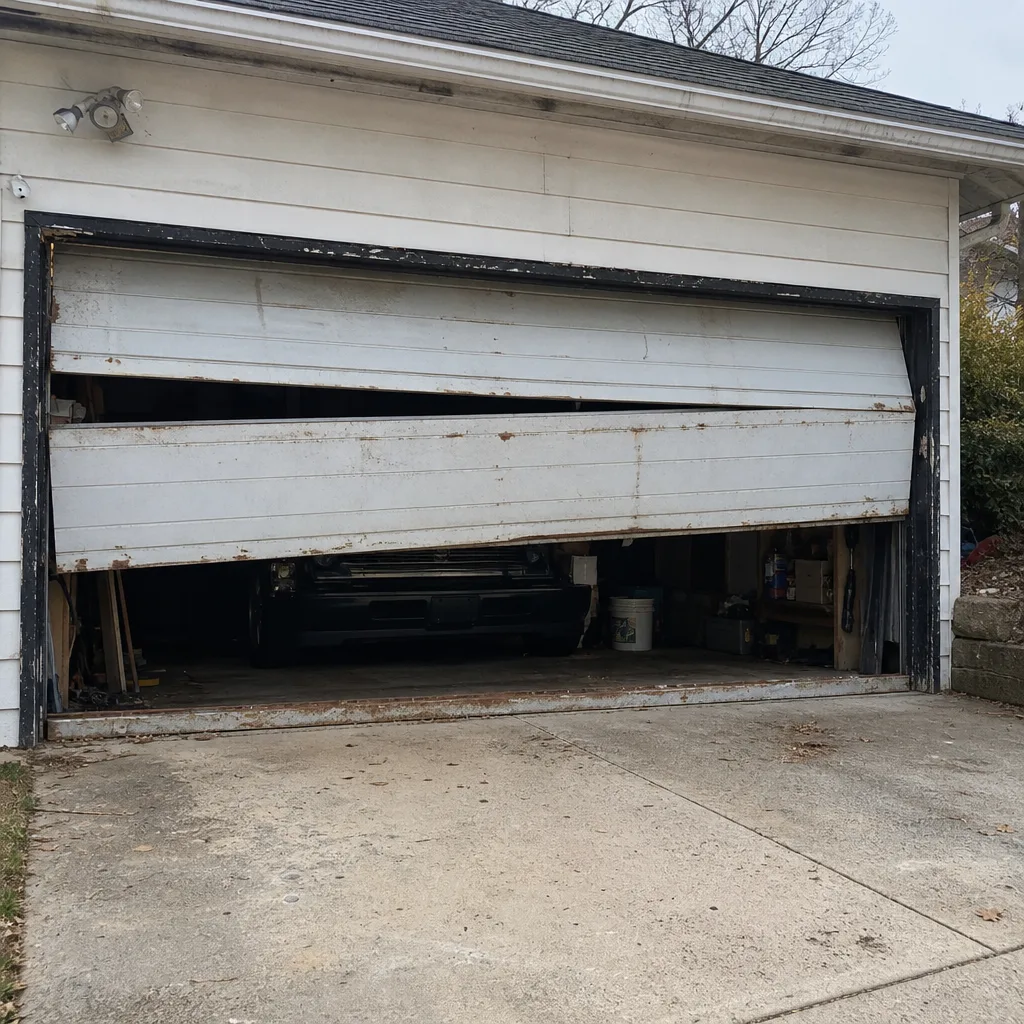 Before
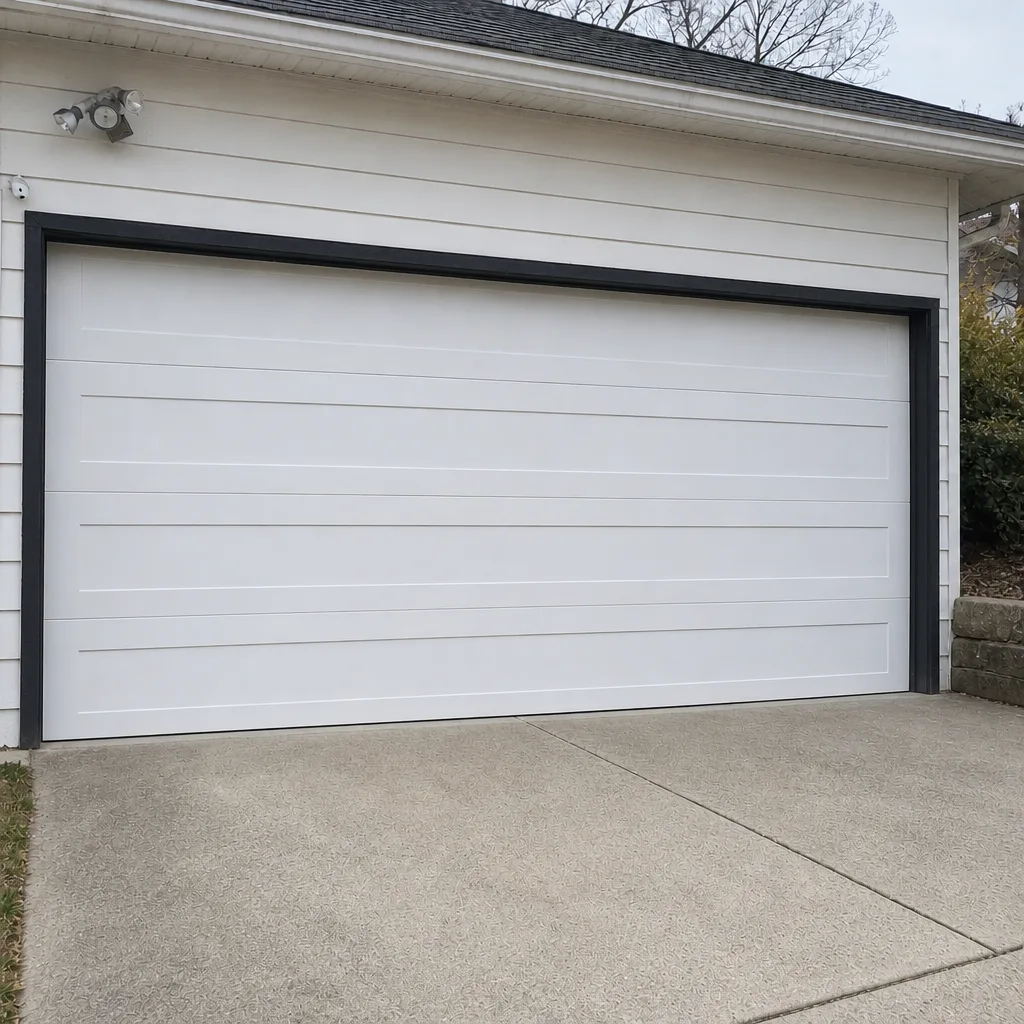 After
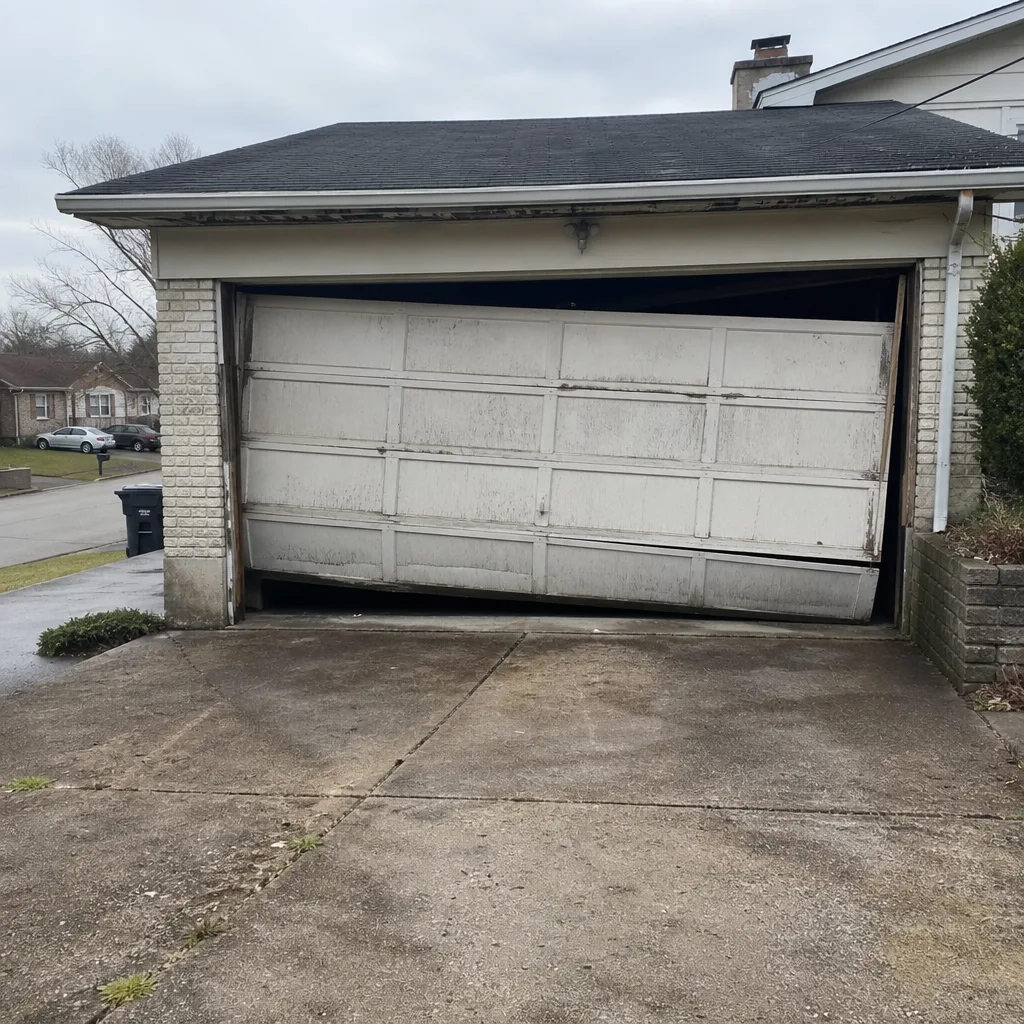 Before
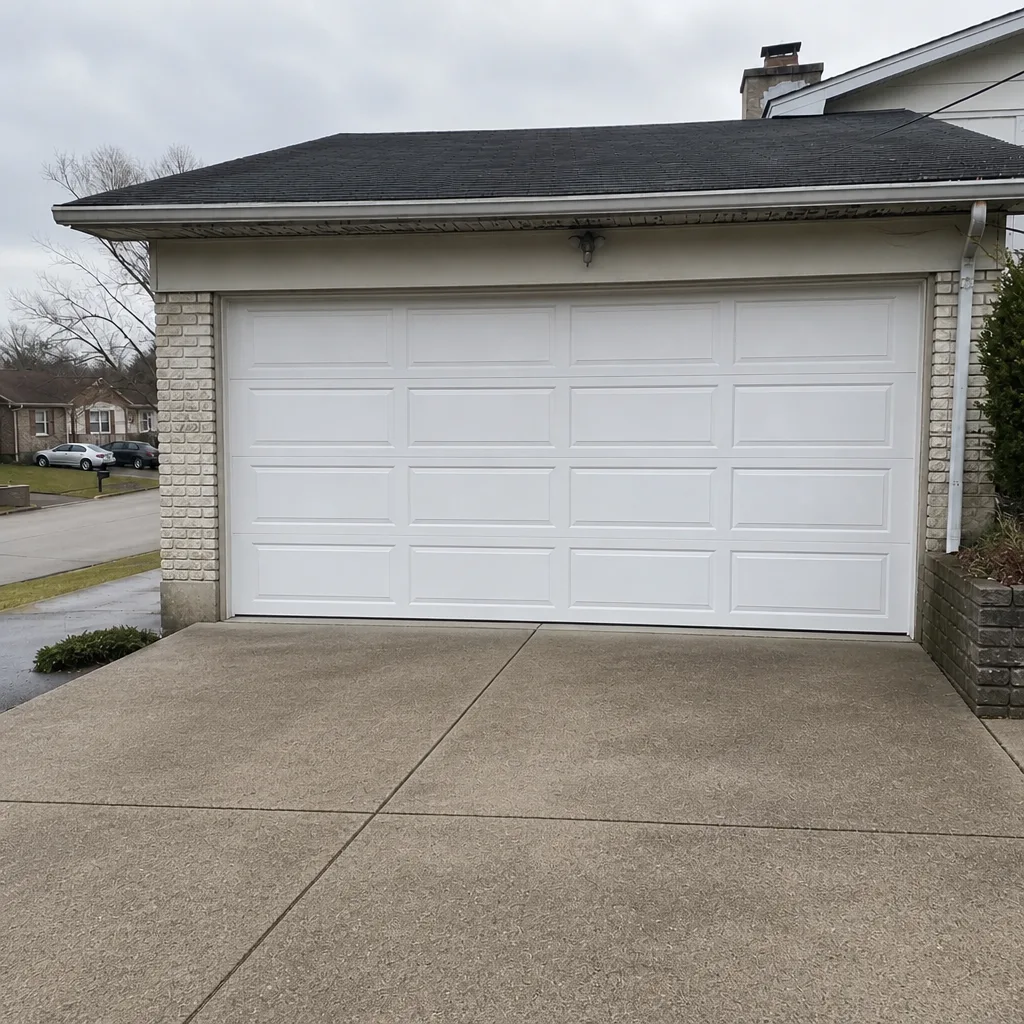 After
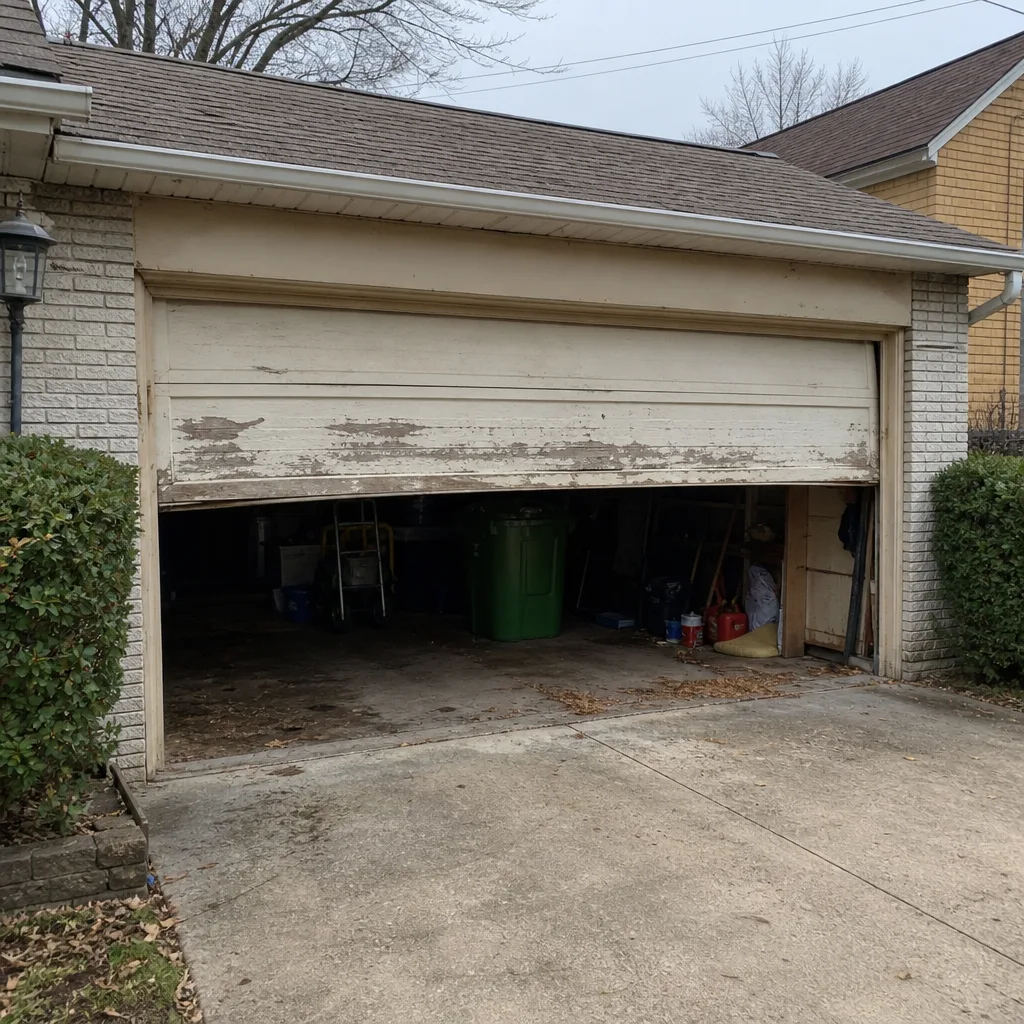 Before
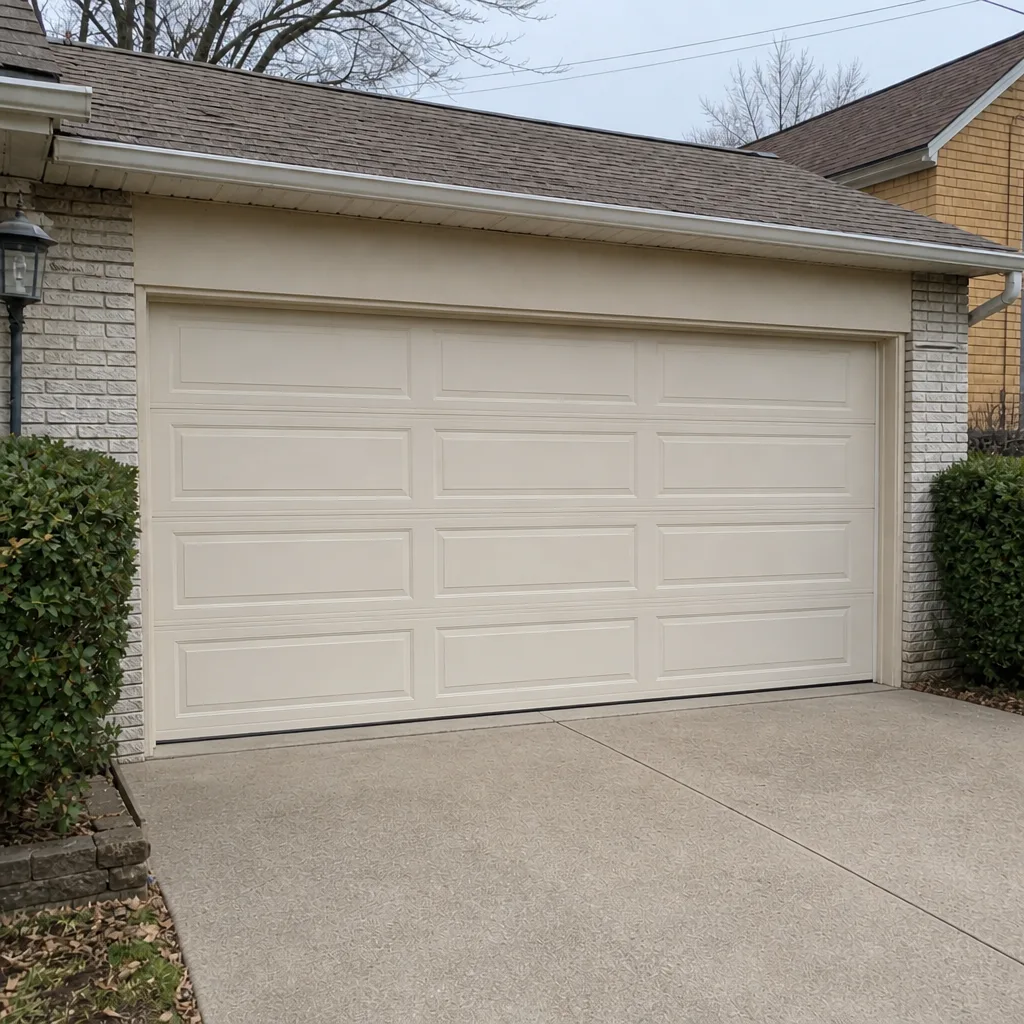 After
When to Call a Professional
Some garage door work is genuinely fine to handle yourself – wiping down tracks, testing the photo-eye alignment, replacing a remote battery. Everything else is a call. If your project involves springs, cables, opener wiring, structural framing, or a permit of any kind, the work belongs with a technician. Spring tension and cable load are dangerous enough that they deserve the same respect as gas or electrical work. We also hear from homeowners mid-way through a permit process who need an inspection-ready assembly brought to code; that’s a diagnostic job, not a sales one.
Tidewater Garage Door Repair offers free estimates in Pittsburgh – call (844) 643-1812. We answer 24/7. Fast dispatch from 7am to 7pm, Sunday through Friday. If the job is a scheduled replacement, we’ll give you a written price before any work starts, and we can help you frame the permit question for your code office so the file is clean the first time.
Frequently Asked Questions
You need a permit in Pittsburgh if the replacement changes the opening size, the header or jambs, the operating mechanism, or the door’s rated assembly. Straight like-for-like replacements into an untouched opening are usually exempt in most Allegheny County municipalities, but the exemptions are set locally. Call the code office with jurisdiction over your address and confirm in writing. For an exact quote on a replacement, call (844) 643-1812 – estimates are free.
Like-for-like means the new door matches the existing assembly in size, material, operating mechanism, and safety devices. When it does, many municipalities treat the work as repair rather than alteration and skip the permit. When any of those change, the job is usually a permit event. If you’re not sure whether your project qualifies, call (844) 643-1812 and we’ll walk through the scope with you before scheduling.
Yes. An adjuster investigating a claim can ask who installed the door, whether it was permitted, and whether it met code at the time. If there’s no documentation to show the work was done properly, the claim can be delayed, reduced, or denied under the policy language. If you’re facing this situation, call (844) 643-1812 for a free estimate on bringing the assembly to current code before your adjuster visits.
Pennsylvania’s seller’s disclosure law requires sellers to disclose known material defects and known structural problems. An unpermitted garage door installation that doesn’t meet the current code standard is a material fact a buyer’s inspector is likely to flag, so disclosure is generally required. If you’re preparing to sell and want the assembly inspected against current code first, call (844) 643-1812 – estimates are free.
An inspector checks physical attachment to the framing, spring and cable configuration, the safety reversal device and photo-eye, manufacturer labeling, headroom and travel clearance, and the opener’s electrical connection. The exact sequence varies by municipality. If your door is up but not inspection-ready, call (844) 643-1812 – we can diagnose the specific items likely to fail before the inspector arrives.
Usually yes. Allegheny County municipalities typically allow an after-the-fact or as-built permit, which requires you to submit documentation of the installed assembly, meet the inspector, and correct any deficiencies found against current code. The process is heavier than filing upfront. For help making the door inspection-ready, call (844) 643-1812 – estimates are free.
The Bottom Line
Garage door permit rules in Pittsburgh and Allegheny County aren’t one set of rules – they’re dozens of them, split by municipality, dependent on scope, and mostly invisible until a buyer’s inspector or a claims adjuster asks. Like-for-like replacements often skip the permit, but any change to the opening, the framing, the operating mechanism, or the rated assembly forces the question. The Pennsylvania Uniform Construction Code sets the technical floor; local offices set the filing requirements; the door’s label and safety devices are what inspections actually check. Sort the permit question before the door is ordered, not after. If you want a written price for a scheduled replacement or a diagnosis of existing work, we’re a phone call away.
For a free estimate anywhere in Pittsburgh, call (844) 643-1812. We answer 24/7. Fast dispatch from 7am to 7pm, Sunday through Friday.
Written by the team at Tidewater Garage Door Repair.