
Last updated November 15, 2026
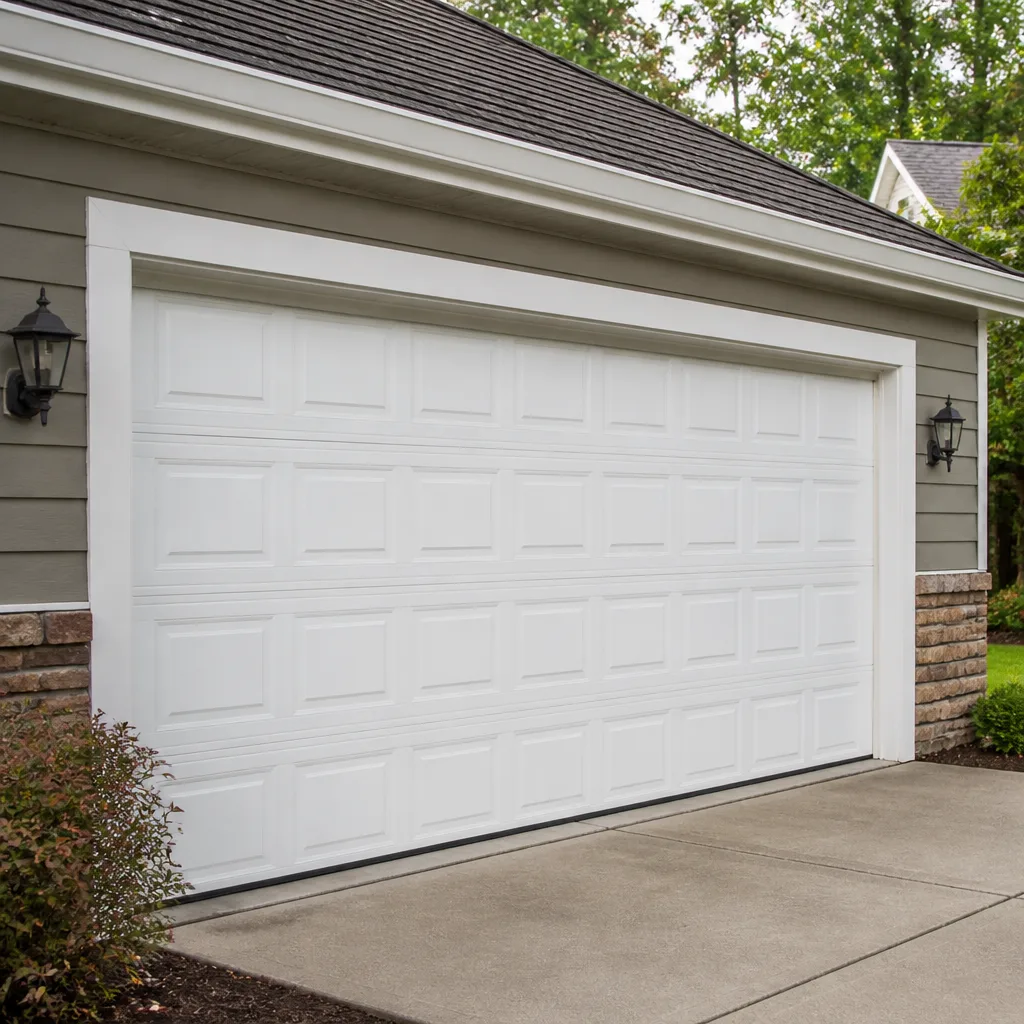 Raised-panel steel
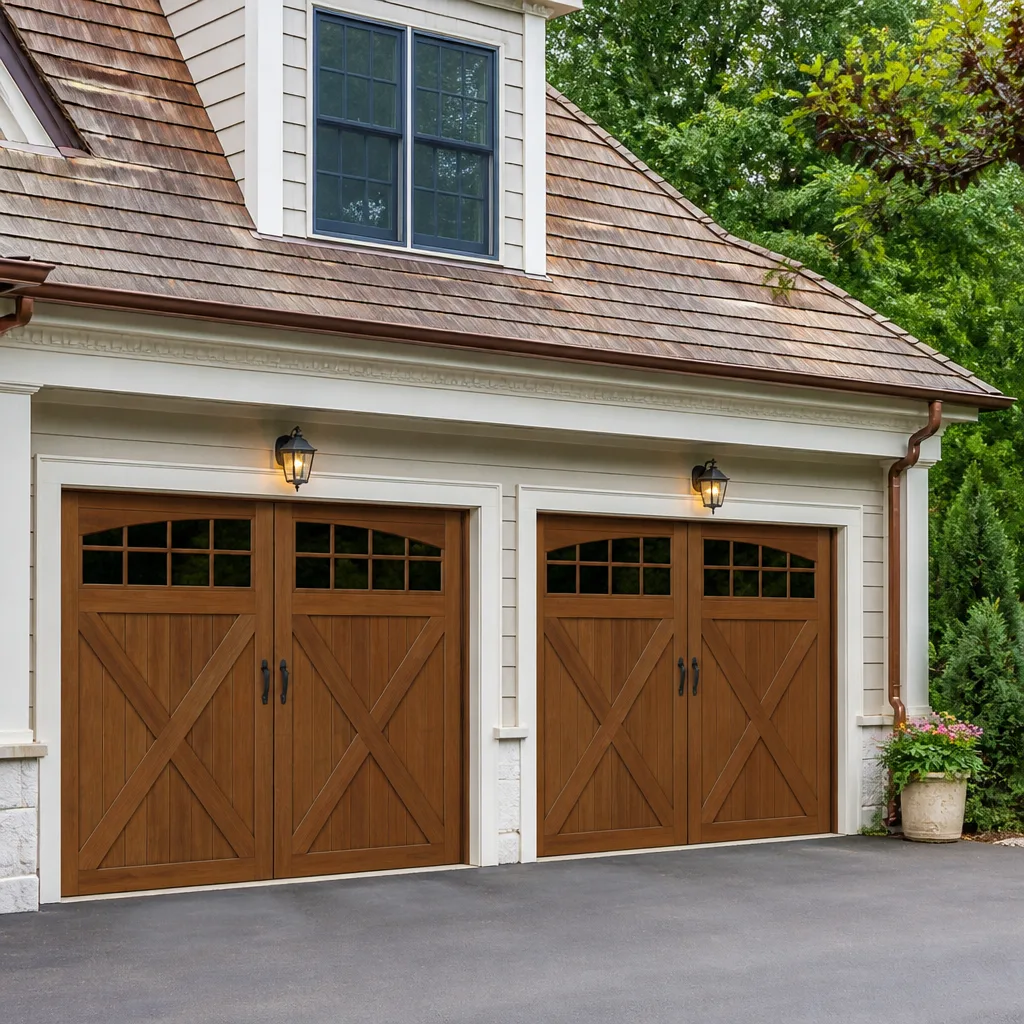 Carriage house
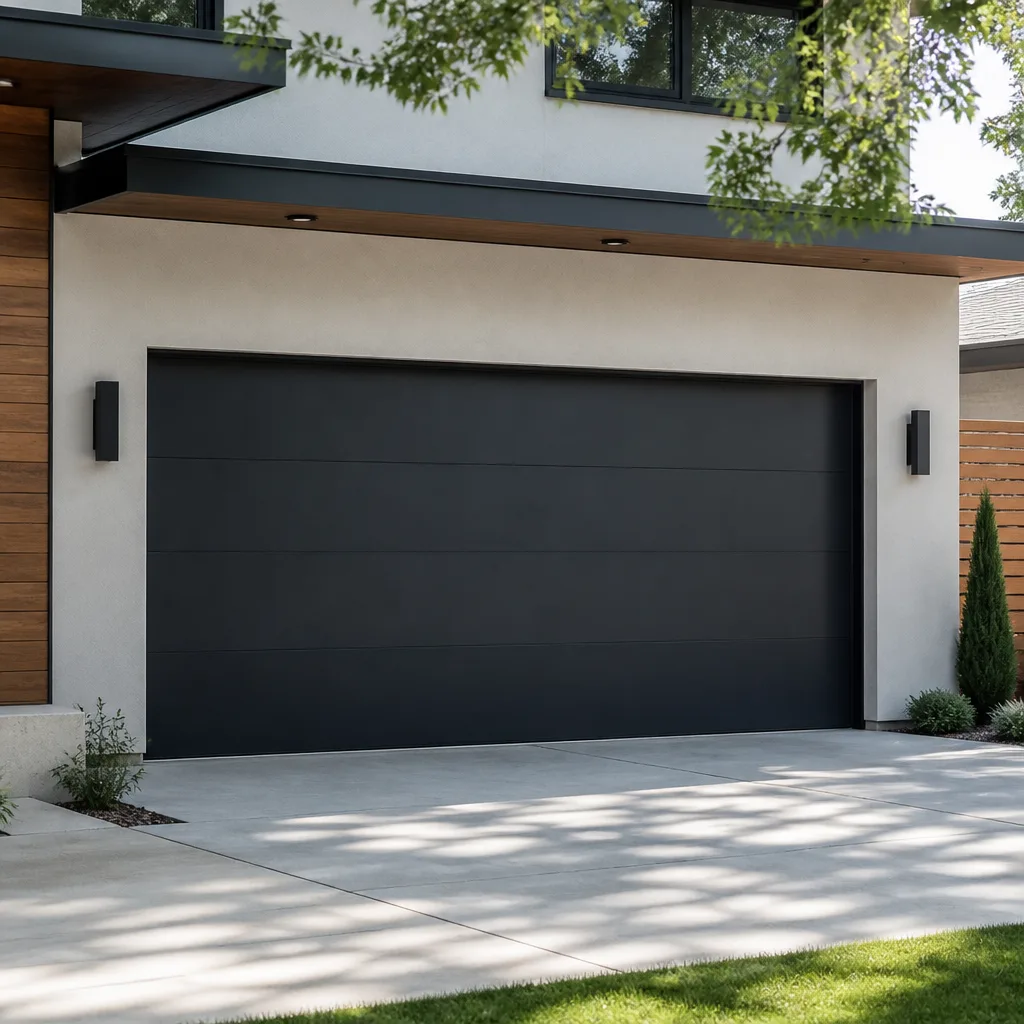 Modern flush
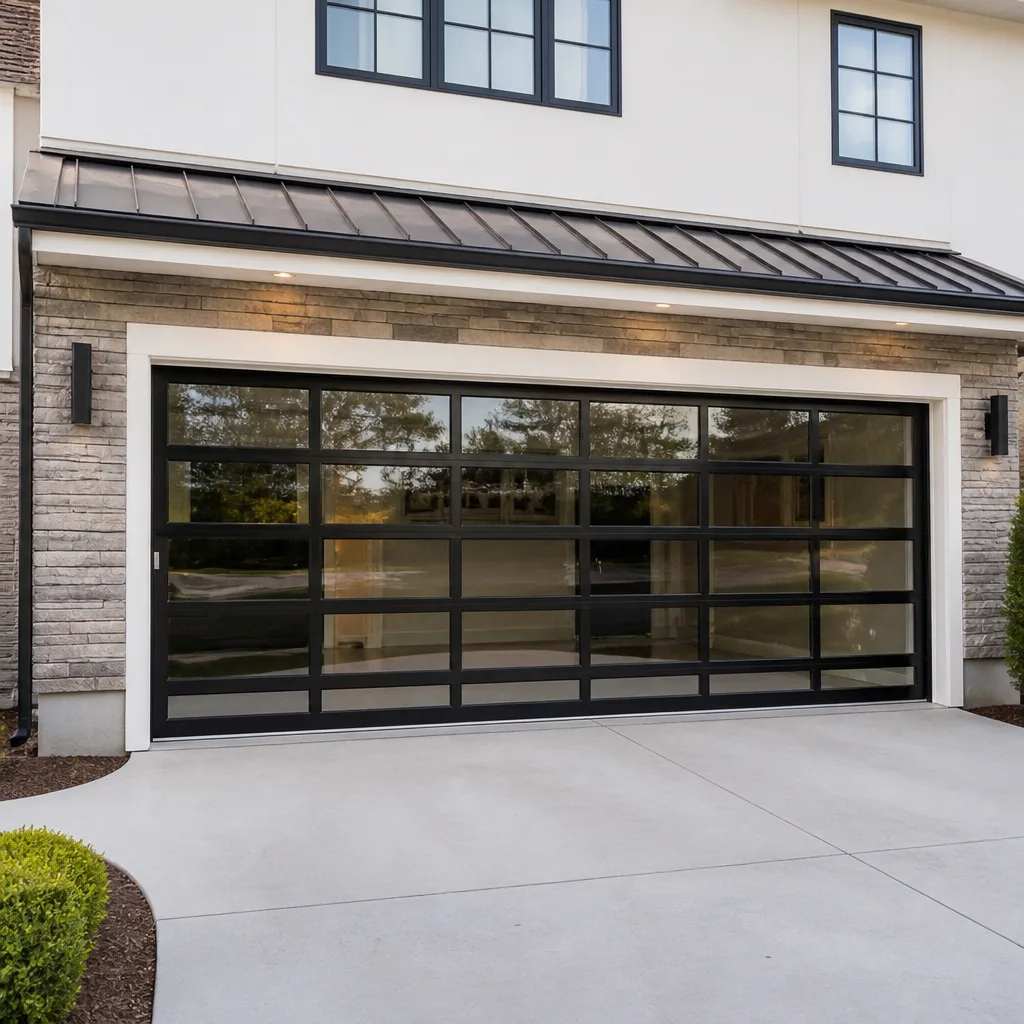 Full-view glass
 LiftMaster openers
 Chamberlain openers
Full 25-point door and opener safety check with every visit - springs, cables, rollers, tracks, and your LiftMaster or Chamberlain opener included
You get a price before we start. It does not change when the pro arrives.
Get your free estimateGarage Door Emergency Preparedness Guide for Pittsburgh Homes
Most garage door emergencies we’re called to in Pittsburgh don’t start with a dramatic snap. They start with a homeowner standing in a cold garage, pulling the wall button over and over, convinced the door is broken. Sometimes it is. Often it’s a tripped breaker, a dead opener battery, or a bottom seal frozen to the concrete. The difference between a ten-minute fix and a ruined door usually comes down to two things nobody practices until it’s too late: the manual release, and a plan for power outages and frozen seals. This guide walks through both, plus what to do when a spring actually breaks.
Quick Answer
Garage door emergencies in Pittsburgh are usually preventable. Practice the manual release once this month, know where your opener’s battery backup switch is, and learn the safe way to free a frozen bottom seal before winter. Those three habits stop most panic calls cold. When a spring or cable fails, stop operating the door and call a professional.
Styles & brands we work with
- Raised-panel steel
- Carriage house
- Modern flush
- Full-view glass
- LiftMaster openers
- Chamberlain openers
Table of Contents
- How Do You Operate the Manual Release on a Pittsburgh Garage Door?
- What’s the Power Outage Protocol for Your Garage Door?
- How Do You Safely Break a Frozen Bottom Seal?
- What Do You Do When a Spring Breaks Mid-Operation?
- What’s Different About Manual Release in Winter vs. Summer?
- What Should Be Posted in Every Pittsburgh Garage?
- Spring Maintenance Calendar for Pittsburgh Doors
- How Do You Prep a Door for Pittsburgh Storm Season?
How Do You Operate the Manual Release on a Pittsburgh Garage Door?
The manual release disconnects the door from the opener so you can lift and lower it by hand. It’s a pull cord hanging from the trolley on the opener rail, usually red-handled, and every sectional door with a chain, belt, or screw-drive opener has one. If you’ve never touched yours, that’s the first thing to fix. Do it on a calm day, not on the morning the opener dies.
- Close the door fully before you pull anything. The release won’t budge under tension, and a door that’s partway up can drop once it’s disconnected.
- Stand clear and pull the release cord straight down, at a slight angle away from the door. You’ll hear the trolley disengage.
- Lift the door by hand from the bottom center, using both hands. A standard single door is heavier than most people expect; a double door is heavier still. If it feels unnaturally heavy, stop and put it back down.
- Reengage the trolley by closing the door and running the opener once. The carriage snaps back into the trolley and you’re back to normal operation.
On LiftMaster and Chamberlain openers with a MyQ setup, that cord is in the same place; there’s no electronic override. The reliability of the manual release is the whole point. It works when the power doesn’t. We work on all of these daily, and it’s still the feature homeowners ask us about most.
What’s the Power Outage Protocol for Your Garage Door?
When the power goes out, your opener is dead but the door doesn’t have to be. Here’s the sequence that works, and the one thing homeowners forget: after you open the door by hand, you have to secure it before you walk away.
- Check whether the opener has battery backup. Many LiftMaster, Chamberlain, and Genie units sold with a backup battery will operate the door a limited number of cycles during an outage. Look for a battery indicator light on the motor head; if it’s lit green, try the wall button.
- If no backup, use the manual release. Pull the cord, lift by hand, do what you need to do in the garage, then reverse the process.
- Never leave a door open to the weather. If you have to leave during an outage, lower the door by hand and push the latch or lock bar back into place. If your door has no lock bar, wedge the door down with a brace and avoid leaving the garage exposed.
- Don’t force a dead opener to work. Cycling the wall button repeatedly during an outage can burn out the logic board on some units, which turns a power outage into a repair call.
If your opener doesn’t have a battery backup, plan for it. We see more Pittsburgh homes adding backup openers than we did a few years back, and a technician can walk you through whether your existing unit supports it before you buy anything.
How Do You Safely Break a Frozen Bottom Seal?
A frozen bottom seal feels like a dead door. The opener grinds, the door doesn’t budge, and the natural reaction is to hit the wall button again. Don’t. Running the opener against a frozen seal for more than a few seconds can burn out the motor, snap a cable, or warp the bottom panel.
- Disconnect the opener first. Pull the manual release so the motor isn’t fighting anything.
- Break the ice bond from the inside. Use your hand or a rubber mallet to press the door slightly in toward the seal line. You’re cracking the ice, not prying the door open.
- Work along the seal from the center out. If you can reach, run a plastic scraper or a gloved hand between the seal and the floor, not between the seal and the door.
- Warm the seal with room air. Point a safe space heater at the base of the door for ten minutes from inside, or use a hair dryer on low. Do not use hot water from a kettle; it refreezes fast and can damage the seal rubber.
- Reconnect the opener only after the door moves freely by hand. Then cycle it once to confirm the seal clears the floor on the way down.
Don’t pry from outside with a shovel or screwdriver. That’s how bottom panels get warped and how seals get torn loose from their track. A replacement bottom seal is an easy fix; a bent Clopay or Amarr panel is not. If your seal is old and stiff, it’s worth replacing before the first freeze of the season.
What Do You Do When a Spring Breaks Mid-Operation?
Torsion springs and extension springs are under heavy tension, and a broken spring is dangerous. You’ll hear a loud bang, the door will sag, and the opener may keep running without lifting anything. Stop, don’t touch the spring, and follow this:
- Stay clear of the door. Don’t stand under it. A door with a broken spring can slam shut.
- Disconnect the opener by pulling the manual release. If the door is already closed and the spring has snapped, leave it closed.
- Do not try to lift a door with a broken spring. The opener and the spring share the load; without the spring, a double door can weigh more than one person can safely hold overhead.
- If the door is stuck open, do not attempt to force it down by hand for the same reason. Get help; a pro can bring it down with the spring tension released first.
- Call for repair. Spring replacement isn’t a homeowner job. It’s a precise mechanical procedure, and getting it wrong can hurt you.
On our garage door repair calls, spring failures are the number one reason a door comes to a stop. We stock and diagnose springs for the major brands, and we’ll check the cables and rollers while we’re in there. Three of our most common spring brands in Pittsburgh homes are Clopay, Amarr, and Wayne Dalton doors on LiftMaster openers. If you’ve got a different rig, we still work on your brand.
What’s Different About Manual Release in Winter vs. Summer?
In summer, the manual release is simple: pull, lift, replace. In winter, it changes. Cold stiffens the door’s rubber seals, tightens the torsion spring, and makes everything more likely to bind. A few adjustments keep the process safe both ways.
- Winter: Pull the release slower and stand further back. Cold-stiffened door hardware can release more abruptly. Lift slowly, testing as you go, to see if the door is binding on the track.
- Winter: Clean snow and ice out of the door’s travel path before you operate anything, including the opener. Ice build-up at the threshold is the leading cause of forced-door failures.
- Winter: If the door has sat overnight in below-freezing temps, cycle it once by hand before reconnecting the opener. You’re looking for the bottom seal coming up with the door.
- Summer: The risk shifts to heat expansion, which can make door and track tolerances tighter. Test the manual lift after any big temperature swing.
- Both: Reengage the trolley after every manual use. A door that stays disconnected feels broken next time you hit the button.
Our technicians have up to 12 years of experience with cold-weather doors, and the routine doesn’t change much. The order does. In winter, always free the seal before you free the door.
What Should Be Posted in Every Pittsburgh Garage?
An emergency card on the wall beside the opener solves more problems than any gizmo. When someone is panicking in a Pittsburgh garage, written instructions do the work a phone call can’t. Here’s what should be on the card:
- Manual release location: A simple note: “Pull the red cord hanging from the opener trolley.” One line, no jargon.
- Door weight warning: State plainly: “This door may weigh [approximate weight if known]. Lift slowly with both hands; do not stand under the door if it’s open.” Homeowners can estimate door weight by size; a pro can check it if you’re not sure.
- Power outage steps: Number them: check battery backup light, pull manual release, open by hand, lower and secure before leaving.
- Emergency repair contact: Write “Tidewater Garage Door Repair, (844) 643-1812, We answer 24/7.”
- Opener brand and model: Check the label on the motor head. Write it down. It saves time on any call, and it helps a technician arrive with the right part for your brand.
Post one card in the garage, keep a copy in the house file, and send a photo to whoever else uses the door. It’s a ten-minute project that buys hours of calm later.
Spring Maintenance Calendar for Pittsburgh Doors
Pittsburgh’s freeze-thaw cycles press on garage doors more than most homeowners realize. Ice forms along the bottom seal, thaws, refreezes, and gradually loosens the seal from its track. A simple twice-a-year routine catches most of it.
Early Fall (Before the First Freeze)
- Test the manual release. Pull, lift, reengage.
- Check the bottom seal for cracks and the seal-to-floor contact. Replace if it’s stiff.
- Clean the track and remove debris from the threshold.
- Test the opener’s safety reverse: place a small object in the door’s path and confirm the door reverses. If it doesn’t, stop using the opener and call for repair.
- Confirm the opener’s battery backup is working if it has one.
Early Spring (After the Thaw)
- Inspect the springs and cables for rust or wear, but don’t touch them.
- Lubricate the hinges and rollers (a door-specific spray is fine; avoid WD-40 on the springs).
- Test the manual release again; the freezing winter may have stiffened parts.
- Look for daylight under the door. If you see it, the seal or the threshold has shifted.
- Book a tune-up if the door has become noisy or slow.
How Do You Prep a Door for Pittsburgh Storm Season?
Pittsburgh’s summer storms bring wind gusts that can bend a light-gauge door panel or damage the tracks. Hail is uncommon here, so impact damage usually comes from debris lifted by wind, not from hail. Prepping is mostly about making sure the door resists wind load and the opener doesn’t get overloaded.
- Check the door’s wind rating. Heavier-gauge doors and doors with reinforced struts hold up better to wind. If your door is a lightweight model from a big-box store, it’s worth asking whether a strut add-on makes sense for you.
- Inspect the tracks after every big storm. Look for dents or bends that would make the rollers bind.
- Test the opener’s safety reverse after a storm. Surge events occasionally affect logic boards, even on great units.
- Trim overhanging branches. A fallen limb on a driveway is one of the most common causes of garage door damage in Pittsburgh neighborhoods with mature trees.
If you notice panel damage after a storm, get it looked at before the next rainstorm. Water infiltration behind a bent panel is harder to fix than the panel itself. Installation is our third core service; when a door is beyond repair, we can walk through replacement options and set up a free measure before any work is scheduled.
Common Mistakes to Avoid
- Cycling the opener against a stuck door. It’s the single most common way a simple fix turns into a motor repair. Pull the manual release instead.
- Prying a frozen seal from outside. It bends panels and tears seals. Freeze-thaw ice in Pittsburgh is stronger than the average homeowner assumes.
- Lifting a door with a broken spring. The opener hides how heavy a double door really is. Springs do half the work.
- Ignoring the manual release for years. Corroded releases can seize up. Test it twice a year so it actually works.
- Replacing a whole opener when the issue is a sensor or logic board. Brand-matched diagnosis finds the real fault first. If you’ve got a Genie, Raynor, or Craftsman opener misbehaving, the fix may be small.
- Leaving the garage unlocked after a manual operation. Reengage the trolley and lock the door before you leave the house.
- Skipping the emergency card. When you need it, you won’t have time to search for the model number.
See the difference
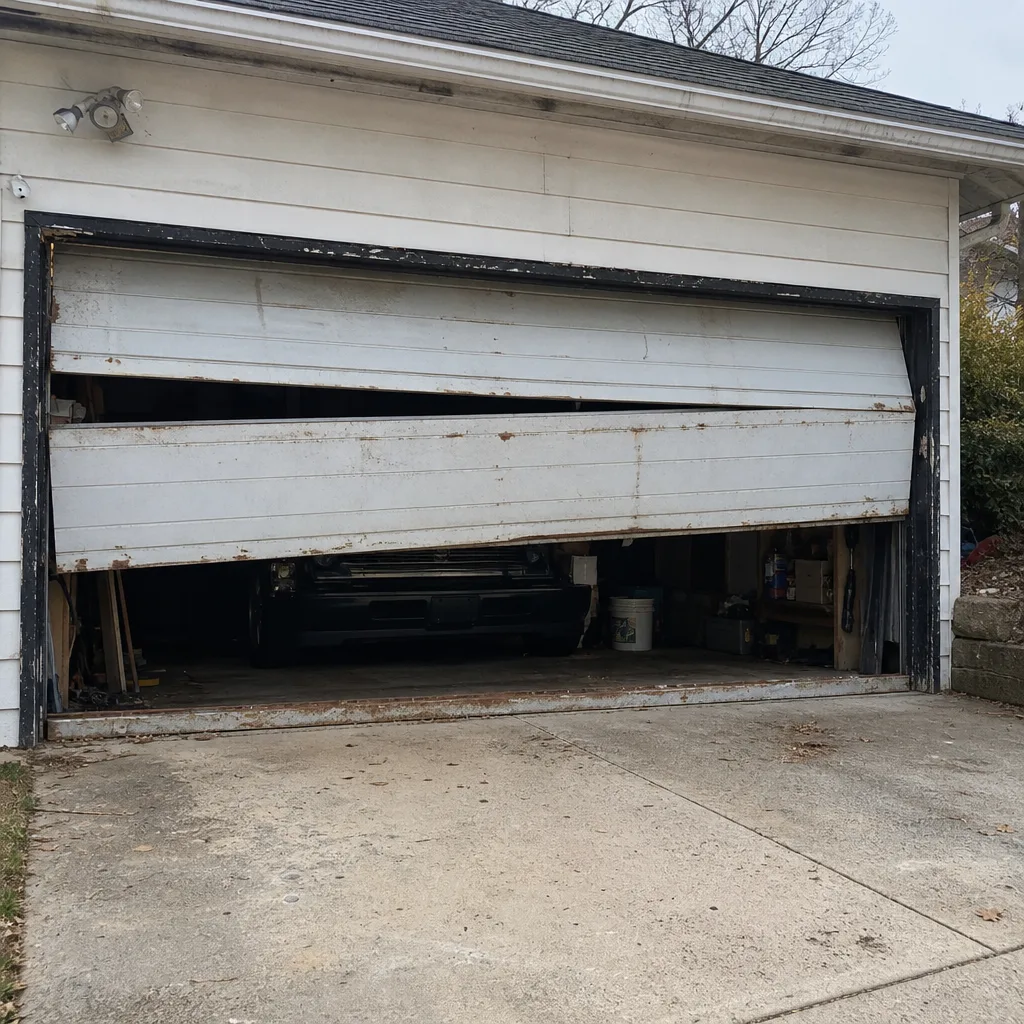 Before
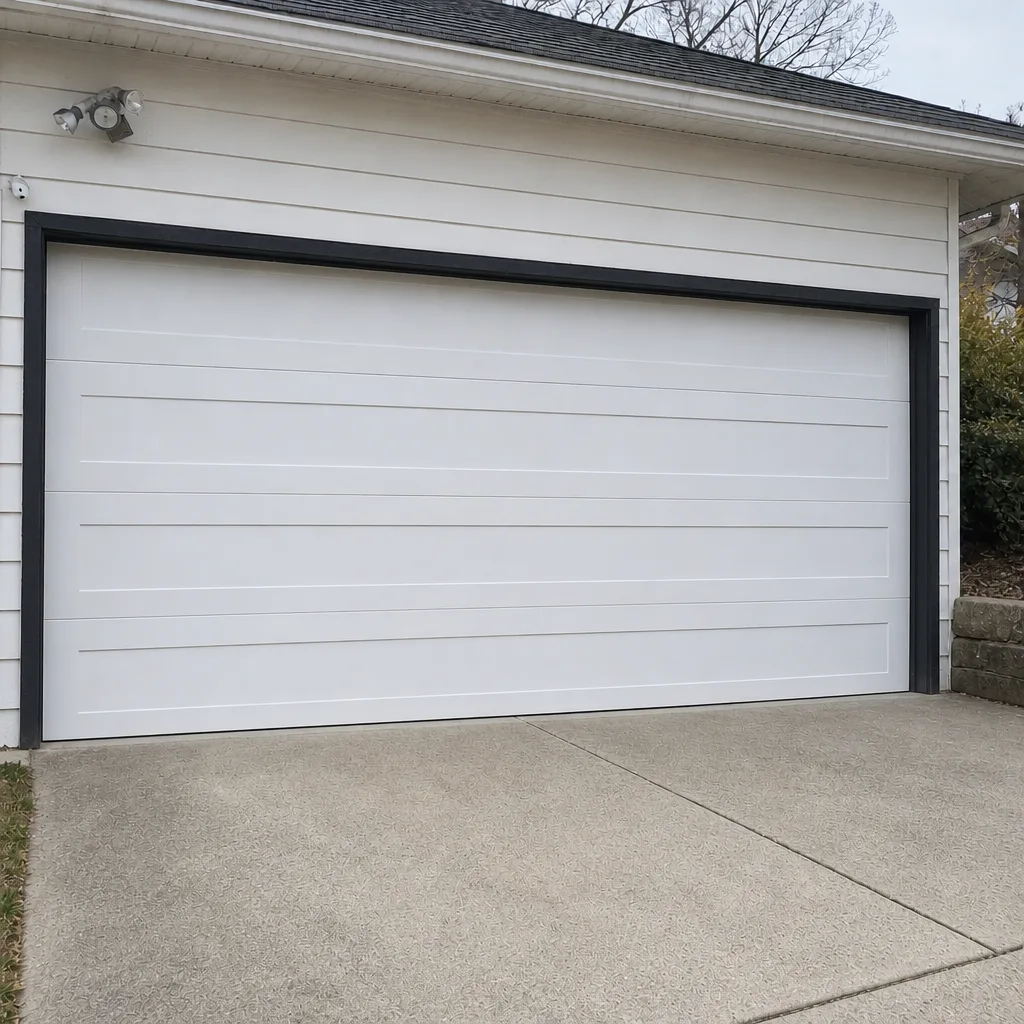 After
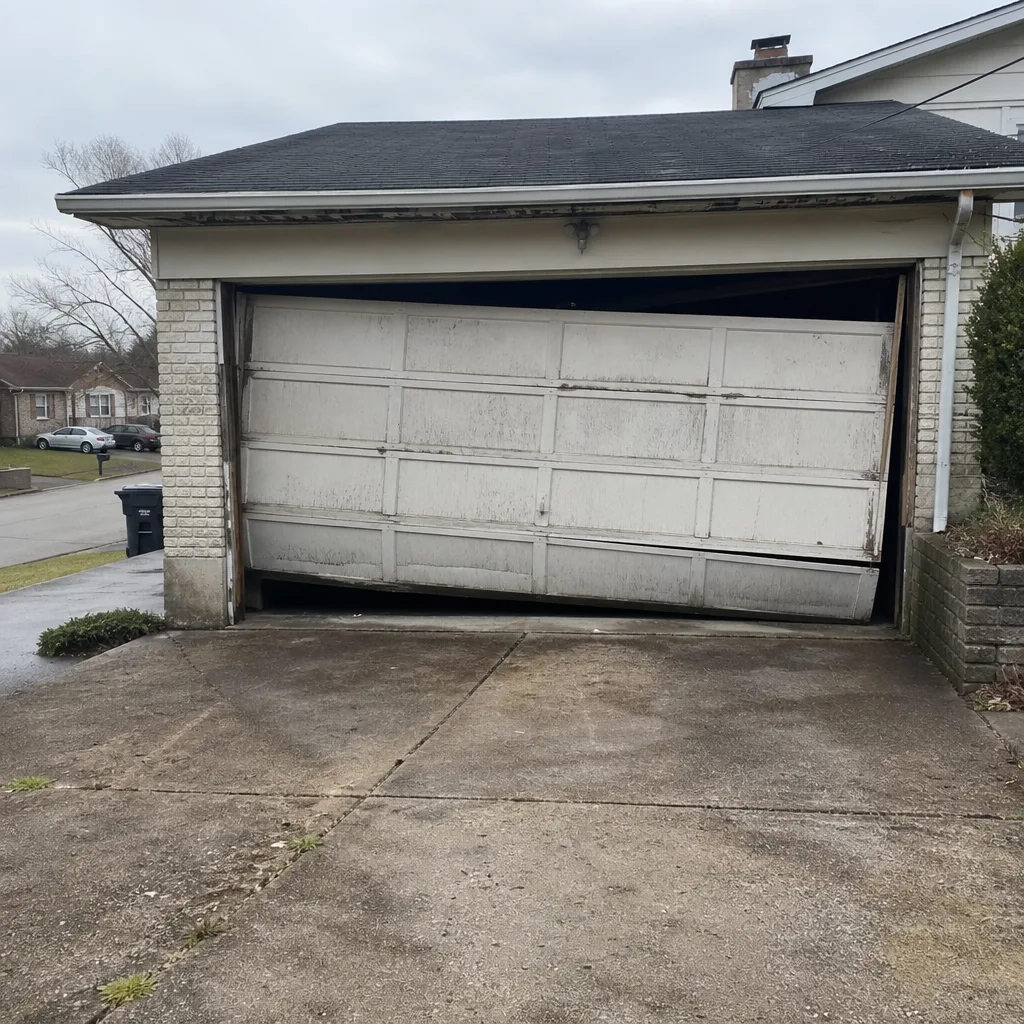 Before
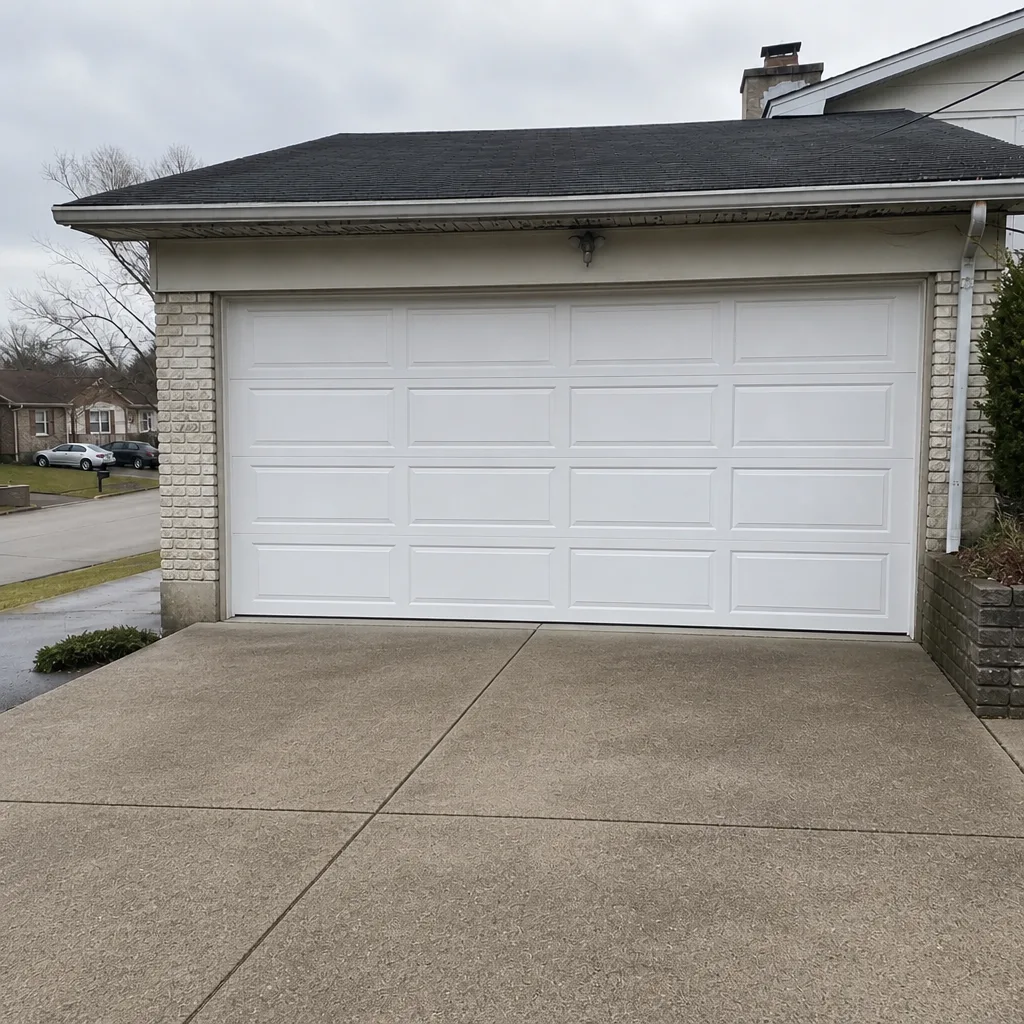 After
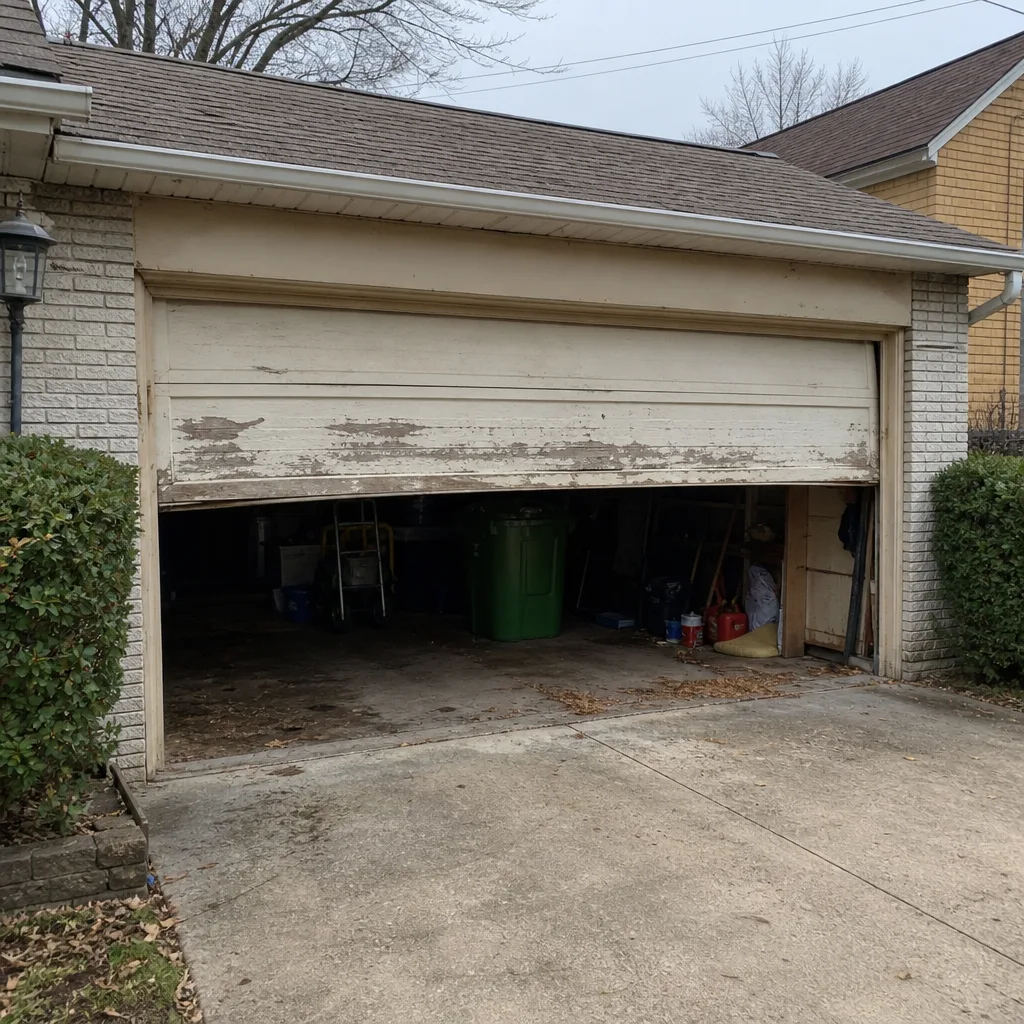 Before
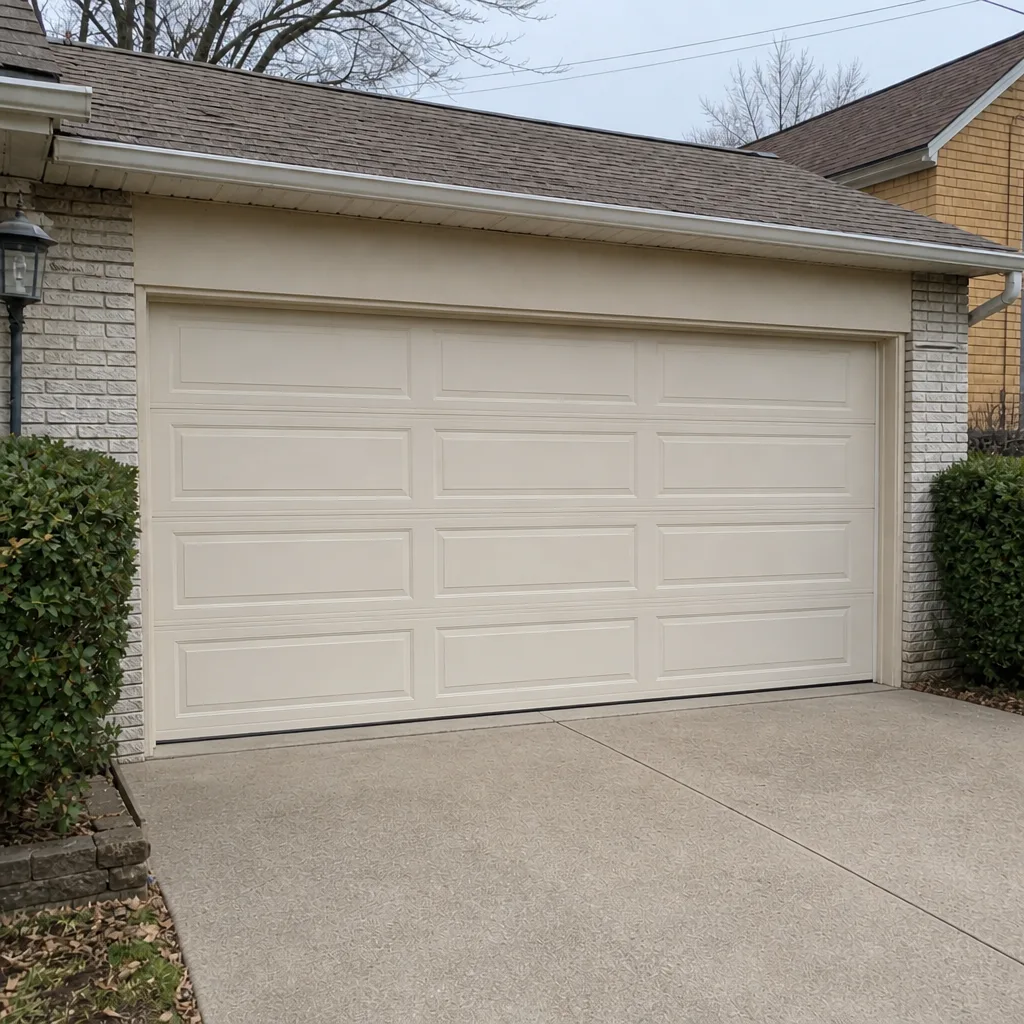 After
When to Call a Professional
Call for a professional when a spring or cable has failed, when the door travels unevenly, when the opener reverses for no clear reason, or when a door you’ve freed by hand won’t clear the threshold. If you’re not sure whether a repair is safe to attempt, it’s not worth guessing; the risk is real, and the fix is usually simpler than the fear. Our technicians diagnose before we replace, and we work on your brand rather than a generic equivalent. If you’re in the Pittsburgh area and need garage door opener repair, we handle the electronics and motor work as a dedicated specialty, not an add-on. Tidewater Garage Door Repair offers free estimates in Pittsburgh: call (844) 643-1812.
Frequently Asked Questions
Pull the manual release cord, lift the door by hand, and secure it manually before you leave. If your opener has a battery backup, try the wall button first; many LiftMaster and Chamberlain units will operate the door for a limited number of cycles during an outage. Call (844) 643-1812 if the manual release won’t free the door.
Disconnect the opener, break the ice bond from inside, and warm the seal from inside the garage. Never pry from outside. Call (844) 643-1812 if the seal has torn or the door won’t clear after warming; estimates are free.
No. A door with a failed spring is heavier than it feels and can drop. Leave it closed, pull the manual release so the opener can’t try to lift it, and call for repair.
Twice a year, in early fall before the first freeze and again in early spring. Cold weather stiffens seals and springs, so a release that worked fine in July can bind up by January.
The manual release location, the door weight warning, power outage steps, your opener brand and model, and our phone number, (844) 643-1812. Post it next to the wall button.
Maybe. Policies vary, and a spring failure is different from a storm impact. Call your insurer before scheduling repair so you know what’s covered. Call (844) 643-1812 if you need repair estimates; we can work with your insurer.
The Bottom Line
The most common Pittsburgh garage door emergencies are avoidable: frozen seals, dead openers, and doors that won’t lift because nobody ever tried the manual release. Practice the release twice a year. Test the battery backup before winter. Post an emergency card with your opener brand, the door weight note, and a repair contact. And when a spring or cable fails, stop, leave the door alone, and call. Those steps handle the majority of what goes wrong. The rest is what a qualified technician is there for. Tidewater Garage Door Repair works on LiftMaster, Chamberlain, Genie, Clopay, Amarr, Wayne Dalton, Craftsman, and Raynor systems, and we’ll get your door sorted whether it’s a small fix or a full installation. Call (844) 643-1812. We answer 24/7. Fast dispatch from 7am to 7pm, Sunday through Friday.
Ready to stop dreading the garage door? Tidewater Garage Door Repair covers your repair, opener, and installation needs under one roof, with technicians who diagnose first and skip the upsell. Call (844) 643-1812 for a free estimate.
Written by the team at Tidewater Garage Door Repair.