
Last updated November 15, 2026
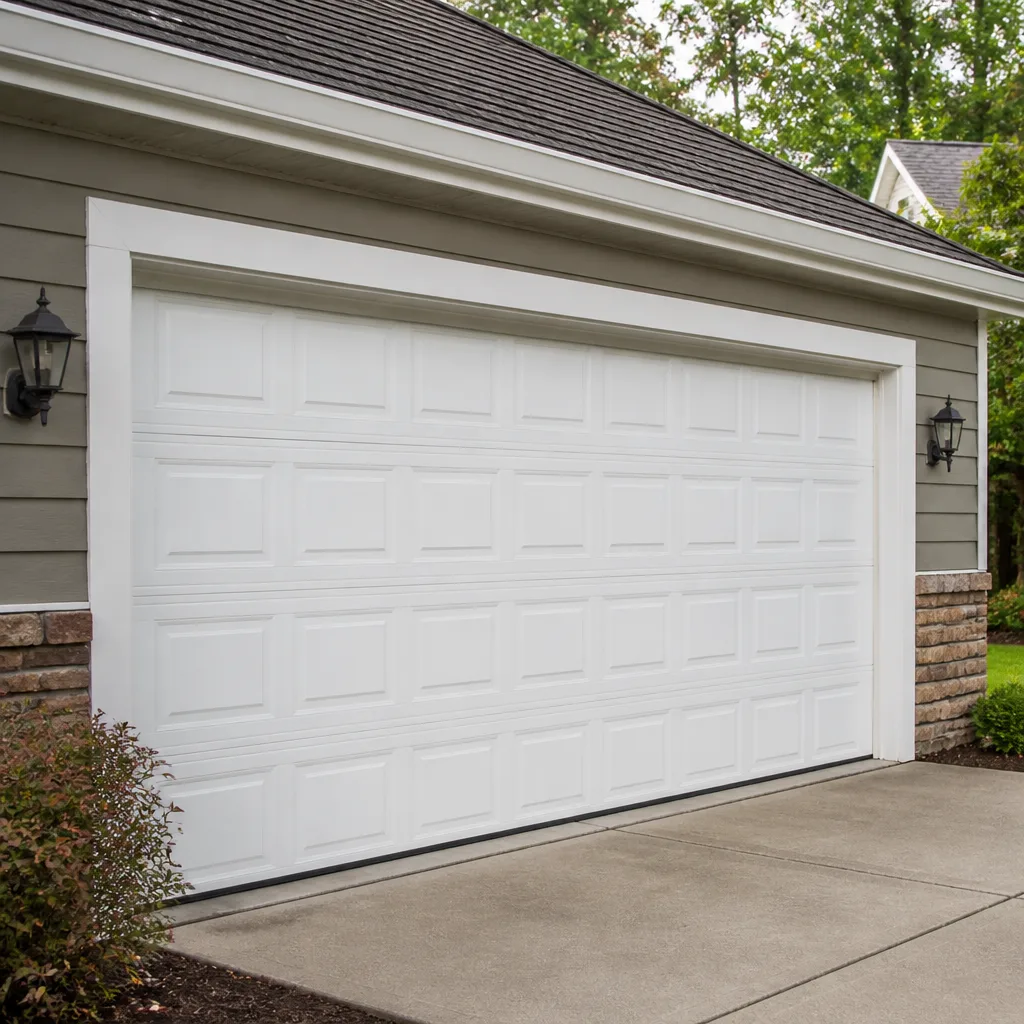 Raised-panel steel
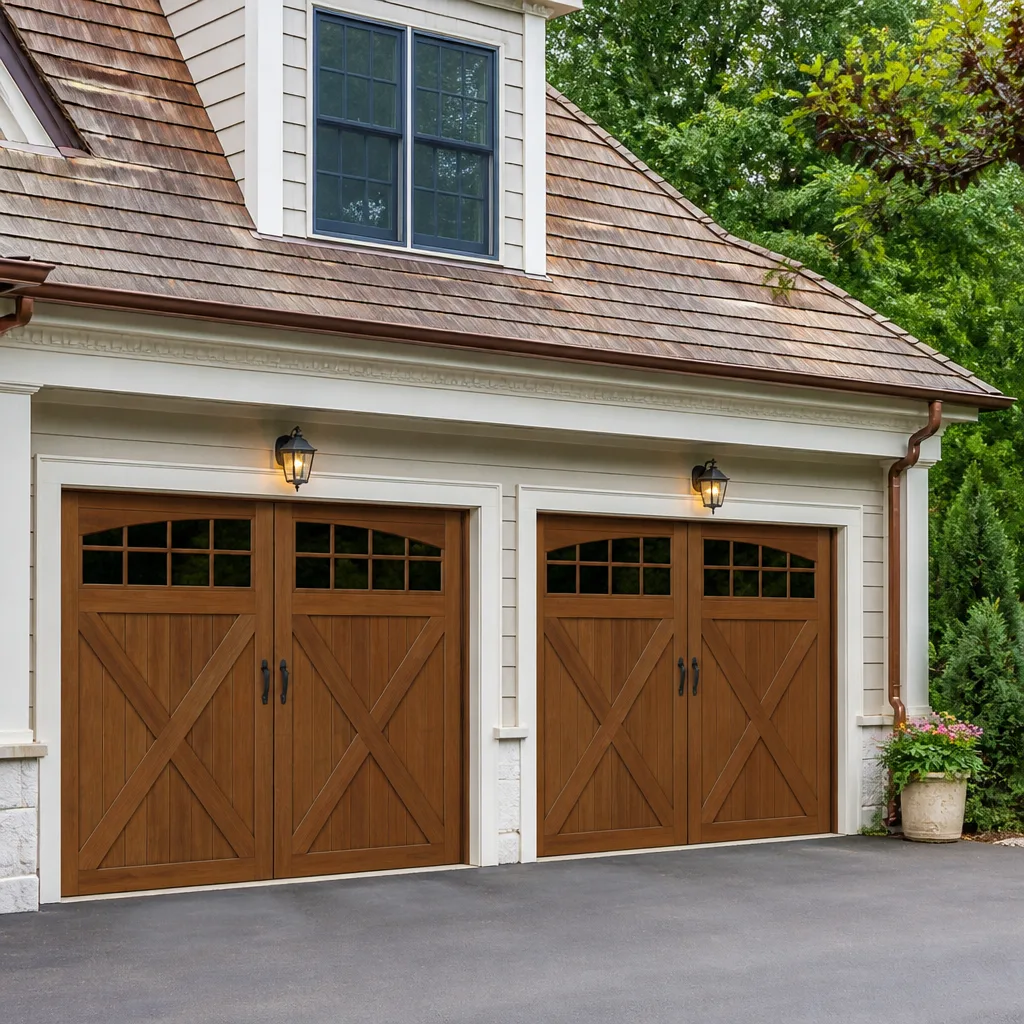 Carriage house
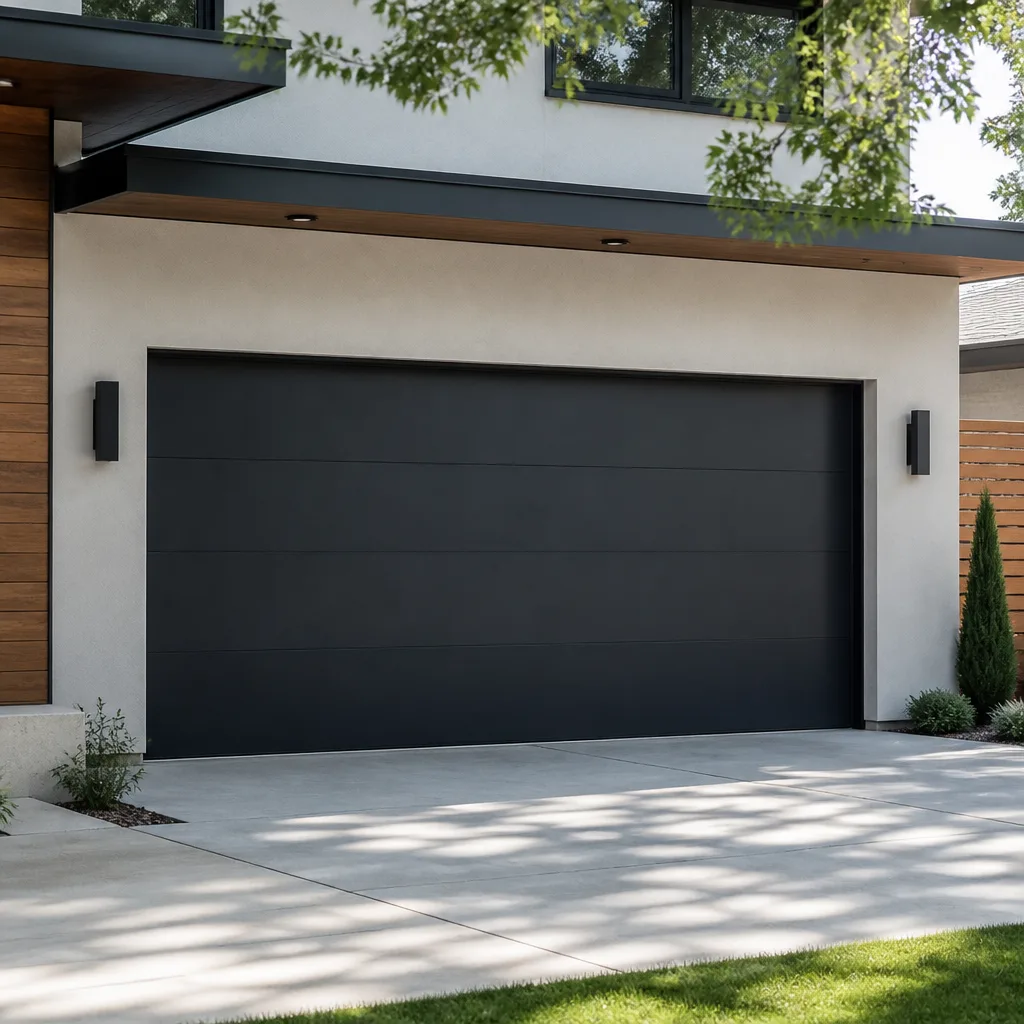 Modern flush
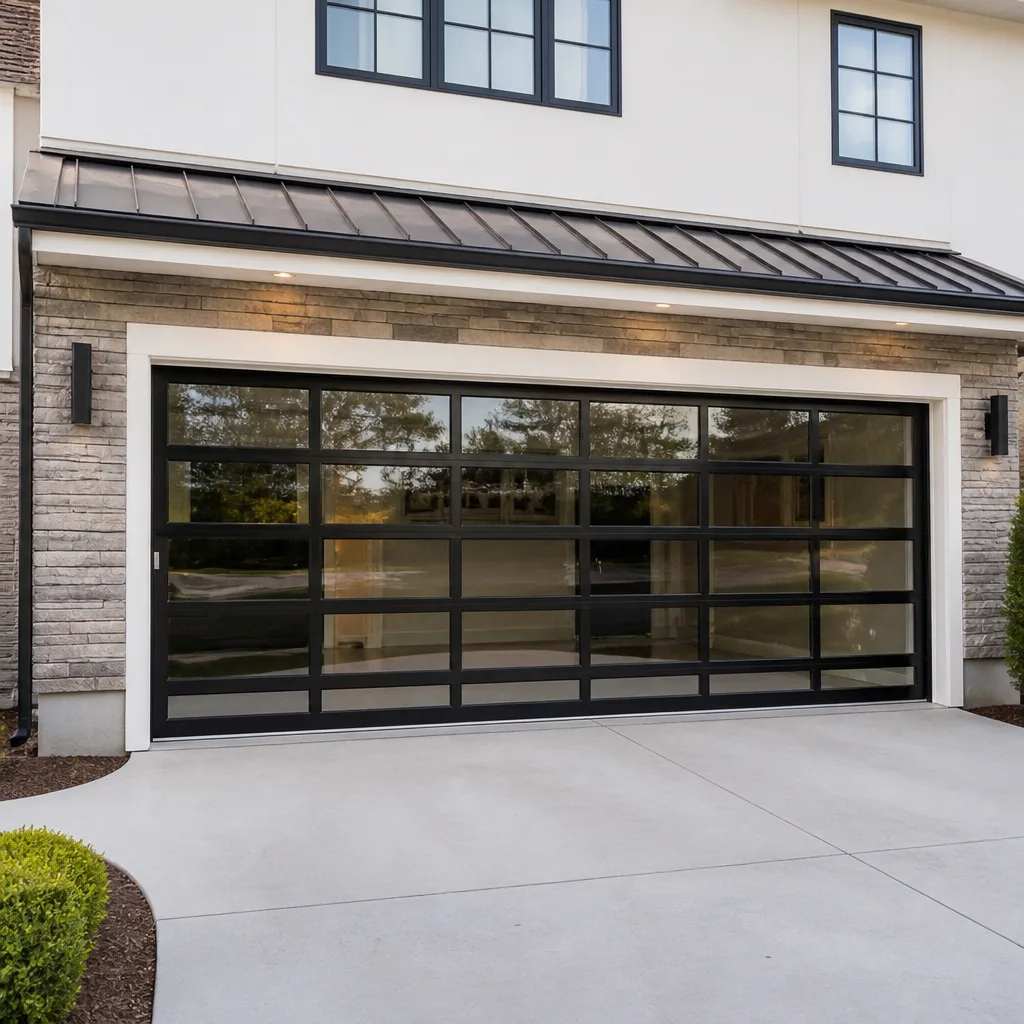 Full-view glass
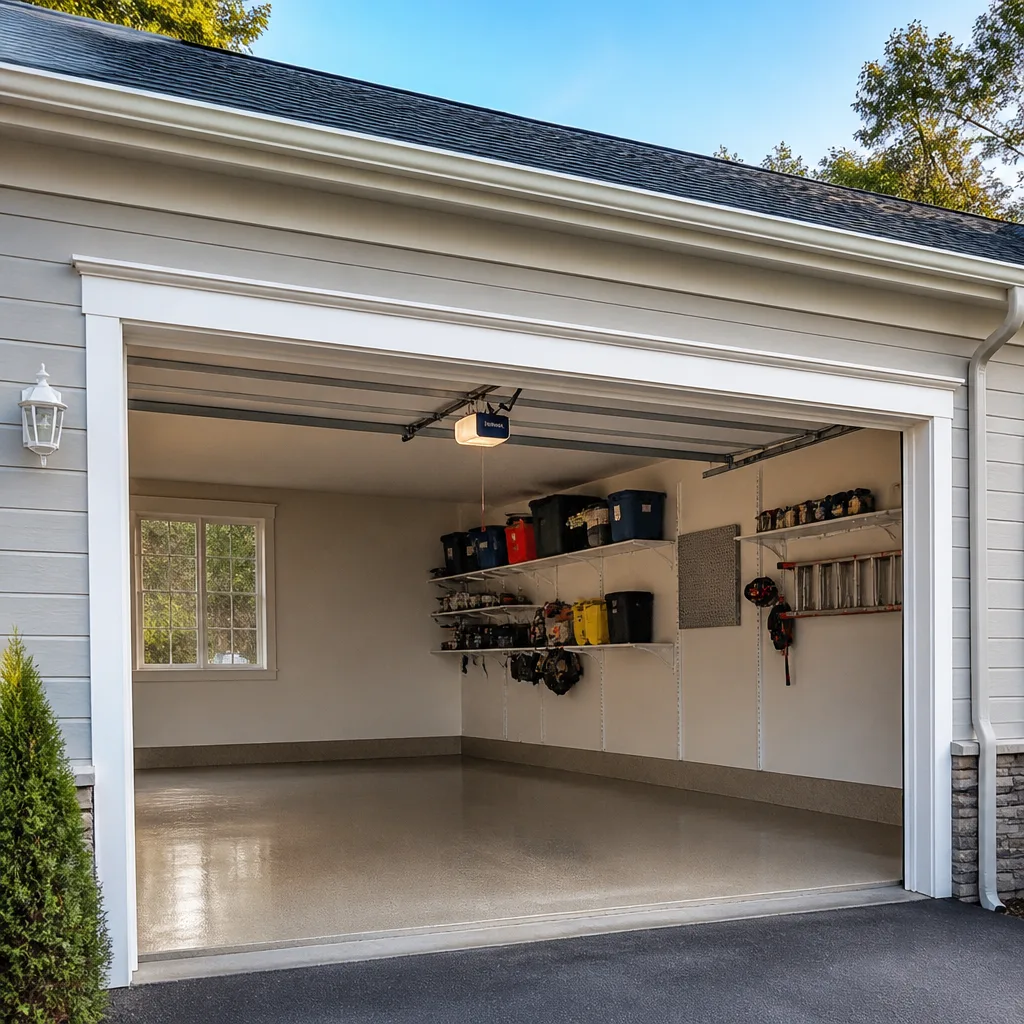 LiftMaster openers
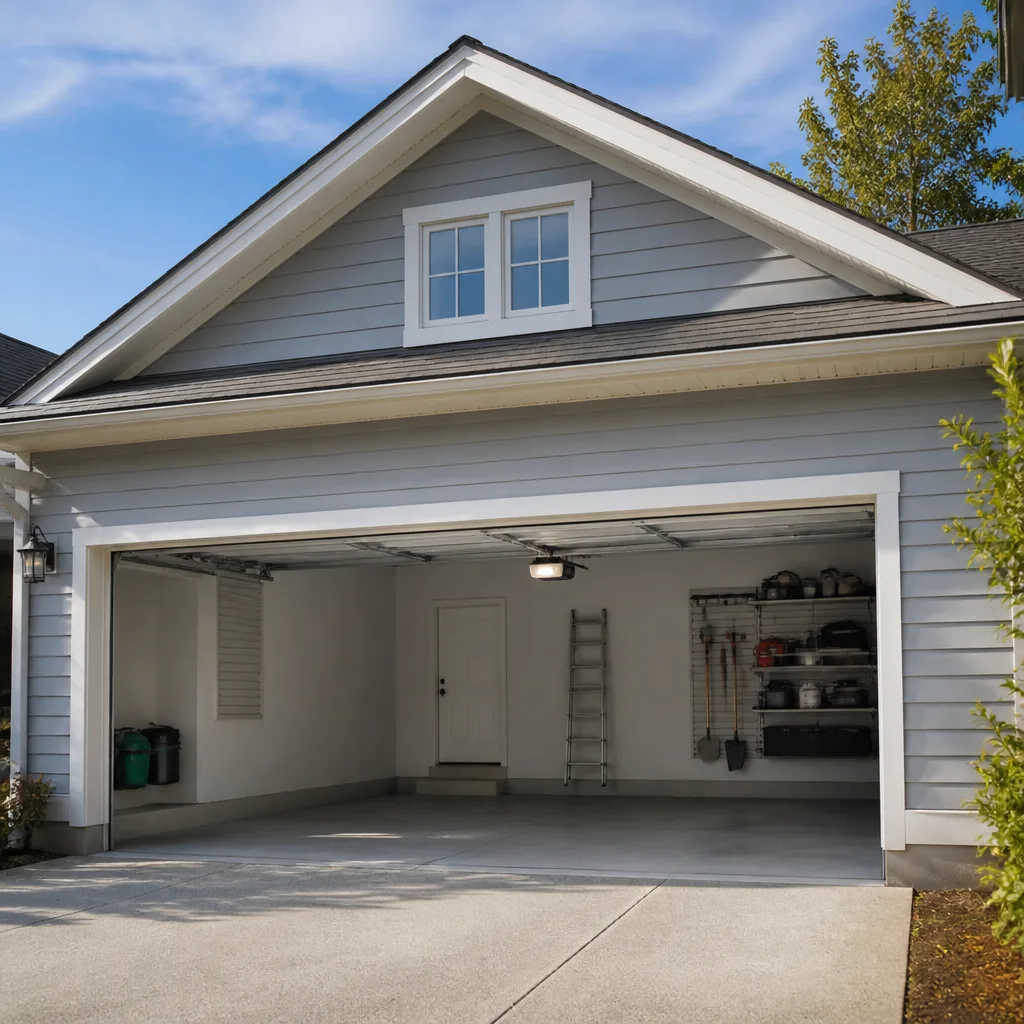 Chamberlain openers
Full 25-point door and opener safety check with every visit - springs, cables, rollers, tracks, and your LiftMaster or Chamberlain opener included
You get a price before we start. It does not change when the pro arrives.
Get your free estimateThe Complete Guide to Garage Doors in Pittsburgh
Most Pittsburgh homes were built before modern garage door standards existed. The opening size, header clearance and framing your neighbor’s door was designed around may not match what any national buying guide assumes, and that matters more than most homeowners realize. A guide written for a suburb of Phoenix will tell you to expect a 16-foot double door and 12 inches of clearance above the header. In Pittsburgh, you might find a 9-foot single opening in a converted carriage garage, a low header in a 1950s ranch in Brentwood, or framing that was never squared in the first place. This guide treats Pittsburgh’s conditions as the baseline. You’ll learn how the region’s freeze-thaw cycle wears on doors, which materials survive the humidity, and how to tell whether a door was sized and balanced correctly or forced to fit.
Quick Answer
Garage door problems in Pittsburgh come down to four things: seal wear from freeze-thaw cycling, track movement in older unheated garages, spring tension changes across temperature swings, and doors that were sized to an opening rather than truly fitted to it. Fixing the door starts with diagnosing which of those four is actually the cause. Most residential doors here last 15 to 25 years with reasonable care, but the wear points show up in a different order than national guides predict because of the region’s weather.
Styles & brands we work with
- Raised-panel steel
- Carriage house
- Modern flush
- Full-view glass
- LiftMaster openers
- Chamberlain openers
Table of Contents
- How Pittsburgh’s Freeze-Thaw Cycle Wears Out a Garage Door
- Framing and Clearance in Older Pittsburgh Housing Stock
- Door Materials That Hold Up in Pittsburgh Humidity
- How to Read a Pittsburgh Installation: Sized and Balanced or Forced to Fit
- Opener Placement and Performance in Pittsburgh Garages
- Spec-Compliant vs. Climate-Load Installation
- A Season-by-Season Maintenance Routine for Pittsburgh Doors
How Pittsburgh’s Freeze-Thaw Cycle Wears Out a Garage Door
Pittsburgh sits in a band where winter temperatures routinely cross the freezing line in both directions. That means water melts into the seams of a door and refreezes, sometimes several times in a single week. Each cycle expands whatever moisture got in. This is the single biggest difference between garage door wear here and wear in places with a stable cold winter or a mild one.
The parts that suffer first:
- Bottom seals. The rubber or vinyl astragal at the bottom of the door takes the most direct moisture. It hardens, cracks and pulls away from the track. A failing seal lets cold air, water and pests in, and it also lets the door rattle against the frame.
- Track alignment. Tracks are anchored to the framing. When the ground heaves with frost, the framing shifts slightly with it, and the track follows. A door that ran quietly in October can start scraping in February.
- Spring tension. Steel springs respond to temperature. A torsion spring sized for a mild day will hold less tension on the coldest mornings, which is why doors feel heavier in January than they did in September.
- Hinge and roller wear. Repeated freeze-thaw brings grit and moisture into moving parts. Rollers that go dry wear flat spots and start squealing.
The upshot: a garage door in Pittsburgh is not on the maintenance schedule a national guide describes. Bottom seals need inspection more often. Tracks need to be checked for level after the ground settles each spring. If your door suddenly feels heavy, the garage door repair conversation should start with spring tension, not with replacing the door.
Framing and Clearance in Older Pittsburgh Housing Stock
Much of Pittsburgh’s housing predates the modern 7-foot garage door. Homes built before the 1970s often have openings that are 6-foot-6 or 6-foot-8, and some converted carriage garages were never designed for a car at all. When you replace a door, the new one has to fit the opening you actually have, not the opening a manufacturer’s spec sheet assumes.
Here’s how a proper measurement sequence works:
- Measure the opening width and height in three places each (left, center, right for width; top, middle, bottom for height). Older framing is rarely square, and the smallest measurement is the one that matters.
- Measure the side room. That’s the space between the opening edge and the nearest wall or obstruction. Standard track needs roughly 3-3/4 inches on each side for a torsion setup.
- Measure the headroom. That’s the distance from the top of the opening to the ceiling. Twelve inches is typical for a standard torsion door; less than that requires a low-headroom kit or a different track configuration.
- Measure the backroom. That’s how far back the door needs to travel to clear the opening. A standard door needs the door height plus 18 inches.
- Check for obstructions. in older garages: furnace flues, plumbing, electrical conduit, structural beams that sit lower than expected.
The most common surprise in Pittsburgh’s older neighborhoods is low headroom. A converted carriage garage or a door added to a basement-level entry often has 8 or 9 inches above the opening, which won’t fit a standard torsion assembly. That’s a solvable problem, but it’s a different door and a different install, and it needs to be caught before the order is placed, not after. The same applies to side room in narrow city lots where the garage wall is tight to the property line.
Door Materials That Hold Up in Pittsburgh Humidity
Pittsburgh summers are humid, and a garage is a semi-conditioned space at best. Moisture in the air gets into materials and stays. That reality changes which door construction works here versus in drier markets.
| Material | Performance in Pittsburgh |
|---|---|
| Steel (insulated, factory-painted) | The most reliable choice for the region. Modern steel doors with proper factory finishes resist humidity and hold up through freeze-thaw. Look for a full thermal break and factory-applied finish. Brands like Clopay and Wayne Dalton build solid steel doors for this climate. |
| Aluminum | Good for humidity, but the lightweight panels can dent easily and the frame needs to be well anchored in older, less square openings. |
| Wood | Looks great, performs poorly in Pittsburgh humidity without high upkeep. Wood swells and shrinks across seasons and will need refinishing more frequently here than in a dry climate. Only worth it if you’re prepared for the maintenance. |
| Wood composite / composite overlay | A reasonable middle ground. Composite resists moisture better than wood while keeping the look. Verify the core material is moisture-resistant, not just the surface veneer. |
| Fiberglass | Moisture tolerant and won’t rust, but UV and flex over time can be an issue on larger doors. |
For most homeowners in Pittsburgh, an insulated steel door is the pragmatic choice. It handles the humidity, it insulates against the cold, and it holds up to repeated freeze-thaw without the swelling that plagues wood. The spec sheet matters less than the finish and the thermal break, because that’s where moisture gets in.
How to Read a Pittsburgh Installation: Sized and Balanced or Forced to Fit
An installation that was actually sized and balanced for the door performs quietly and lasts. One that was forced to fit shows its problems within months. Here’s what to look for.
Signs of a correct install:
- The door sits flat on the floor with an even seal line across the bottom.
- The gap between the door edge and the track is consistent on both sides.
- The door opens and closes smoothly with a steady sound, no lurching.
- When you lift the door by hand (with the opener disconnected), it stays where you leave it at roughly waist height. That’s a balanced door.
- The opener operates without straining, and the safety sensors align cleanly across the opening.
- Springs are correctly matched to the door weight, not just chosen by door size.
Signs of a forced fit:
- Gaps at the bottom or top on one side.
- The door needs to be pushed or pulled to close fully.
- Tracks were shimmed with washers or spacers beyond a small adjustment.
- The opener strains audibly on the first foot of travel.
- Rattles that get louder over the first year.
- Weather stripping that’s compressed on one side and loose on the other.
In Pittsburgh’s older housing stock, a door can be forced to fit and still operate reasonably for a while. That’s the trap. The springs wear faster, the opener motor works harder, and the door goes out of balance earlier than it should. If your door exhibits any of the “forced fit” signs, have a technician look at the balance and the spring sizing. It’s a much smaller job than replacing the whole assembly.
Opener Placement and Performance in Pittsburgh Garages
The opener is where mechanical and electronic problems intersect. In Pittsburgh’s older homes, the placement of the opener motor and the track determines how well the whole system performs across temperature swings.
A few things we look at:
- Rail sag on long travel. Older garages with deep bays need a rail that’s stiff enough for the length. A cheap rail sags in the middle, which throws off the door limit switch and causes partial-closing problems.
- Ceiling mount strength. The opener hangs from the framing. In older garages, the framing may have been sistered or patched over the years. A solid mount matters more in freeze-thaw geography where the framing is already moving.
- Sensor alignment. The photoelectric sensors at the bottom of the track need to be aimed precisely. Solar exposure through a garage window can throw off an older sensor. Modern LiftMaster and Chamberlain units handle this better than older Craftsman or Genie models.
- Temperature-rated motors. The motor in the opener has to operate in an attic-cold garage in January and a humid box in July. Some motors handle this better than others. If yours shuts down periodically in summer, that’s a symptom worth diagnosing.
If your opener is misbehaving, the answer is rarely “replace the whole thing.” A lot of openers get replaced when the real fault is a logic board, a worn gear, or a misaligned sensor. If you’re in Pittsburgh and figuring out where to start, garage door opener repair is the right first step before assuming the unit is gone.
Spec-Compliant vs. Climate-Load Installation
Every door sold today is built to a manufacturer spec. That spec describes what the door can do under ideal conditions. A spec-compliant install follows the manufacturer’s installation instructions. A climate-load install goes a step further and accounts for what’s actually happening in your garage year-round.
What’s the difference in practice?
- Seal strategy. A spec install uses the seal the door ships with. A climate-load install accounts for frost heave at the threshold, uses a thicker or more pliable seal where needed, and checks the bottom of the opening after the ground settles.
- Fastener specification. The manufacturer gives a lag bolt spec. A climate-load install adds fasteners where the framing in an older garage can’t reliably hold the specified ones.
- Spring sizing. A spec install matches the spring to the door weight. A climate-load install accounts for the coldest-morning load, so the spring is sized a touch closer to the heavy-cold-day weight.
- Insulation and thermal breaks. Spec-compliant doors can be non-insulated. A climate-load install matches the insulation to the garage’s actual thermal environment, not a generic assumption.
- Weather stripping at the jambs and top. Often skipped in a basic install. Essential here, because drafts and moisture intrusion at framed openings are the dominant cause of premature finish failure.
This is the difference between a door that performs to spec for 15 years and one that performs better here because it was specified for here. It’s the reason a national guide’s advice about door selection or installation will sometimes point you wrong. The Tidewater Garage Door Repair approach starts with the actual conditions of the garage, not the general case.
A Season-by-Season Maintenance Routine for Pittsburgh Doors
The right maintenance calendar here follows the seasons, not the manufacturer’s generic chart. Here’s what we recommend:
- Spring (after the ground settles). Check track alignment on both sides with a level. Look for any shift that appeared over the winter. Lubricate hinges, rollers and the torsion spring with a garage door lubricant (not WD-40). Inspect the bottom seal for cracking or separation.
- Summer (high humidity). Inspect for moisture intrusion at the jambs and bottom seal. Check that the opener’s safety sensors are clean and aligned. Listen for new sounds on open and close, since damp weather tends to reveal worn hinge pins.
- Fall (before the first freeze). Confirm the door is properly lubricated with cold-rated grease. Test the balance by disconnecting the opener and lifting the door manually. Check the bottom seal again; a seal that’s fine in August can crack the moment temperatures drop. Verify the opener’s force sensitivity isn’t set too high for cold-morning operation.
- Winter (during freeze-thaw). Watch for the door feeling heavier than usual; that’s a spring tension symptom, not a call for a new door. Clear snow and ice from the threshold after storms so the door can close fully. Don’t force a stiff door; that’s how hinge and roller wear accelerates.
That’s four checks a year. It’s not a lot of work, and it does more for the life of a Pittsburgh door than any single replacement part.
Common Mistakes to Avoid
- Buying a door to national spec instead of measuring the actual opening. The lowest height and width measurements control. A door that’s “close enough” to a nominal size will not seal properly in an older Pittsburgh garage.
- Assuming any door weight change means a new opener. A heavier door is a spring tension symptom, not an opener failure. Check the balance before you replace the motor.
- Using generic lubricants on hinges and rollers. Household oil and WD-40 attract grit and gum up cold. Use proper garage door lubricant, especially in cold months.
- Skipping the bottom seal replacement because the door “still closes.” A failed seal lets in moisture and cold air and accelerates wear on hinges and the door bottom edge. It’s the cheapest fix that protects everything else.
- Forcing a door that’s off track. If the door binds, stop. Forcing it bends tracks, snaps cables and can pull springs loose. That’s a repair job, not a back-and-forth.
- Ignoring low-headroom constraints until after the door is ordered. In Pittsburgh’s older garages, low headroom is common. Measure before you order, not after the door arrives.
- Replacing the door when the opener is the problem, or vice versa. The two systems work together. Diagnose which one is failing before deciding what to replace.
See the difference
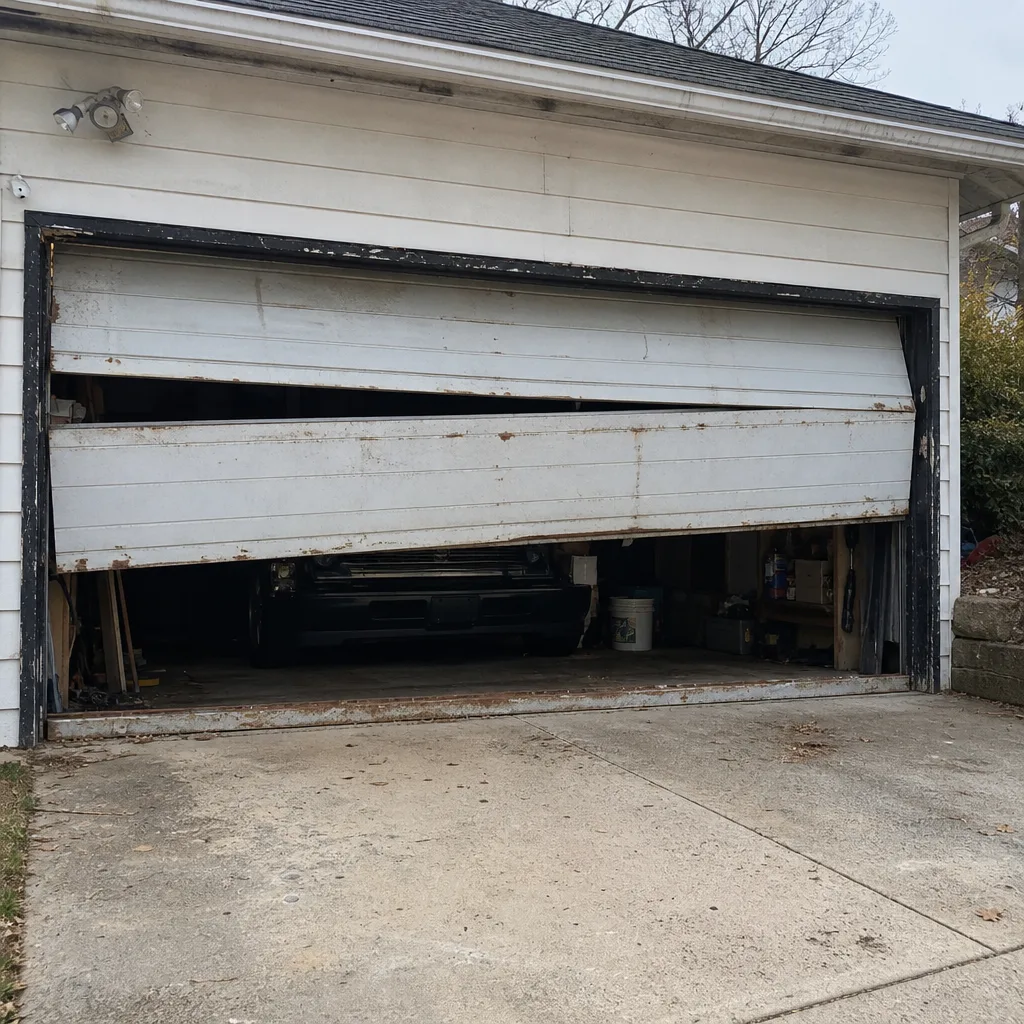 Before
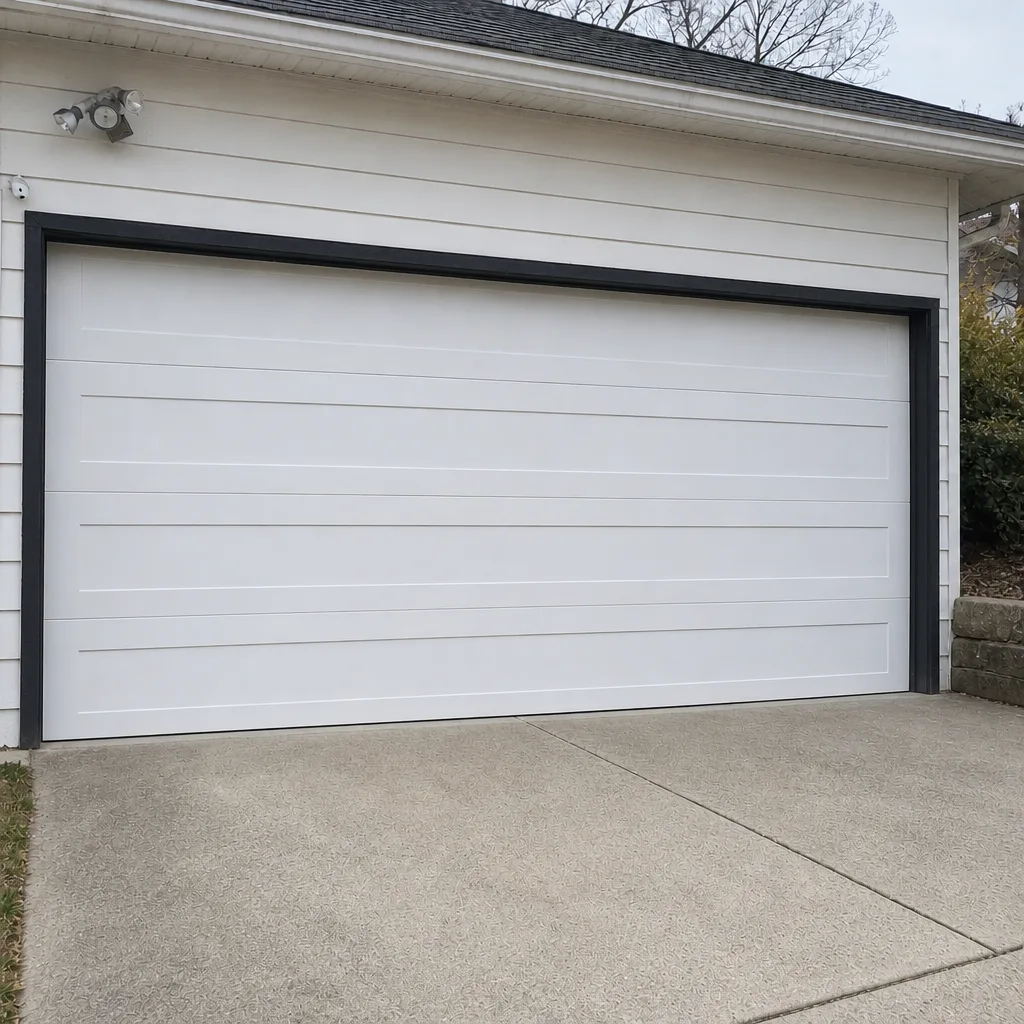 After
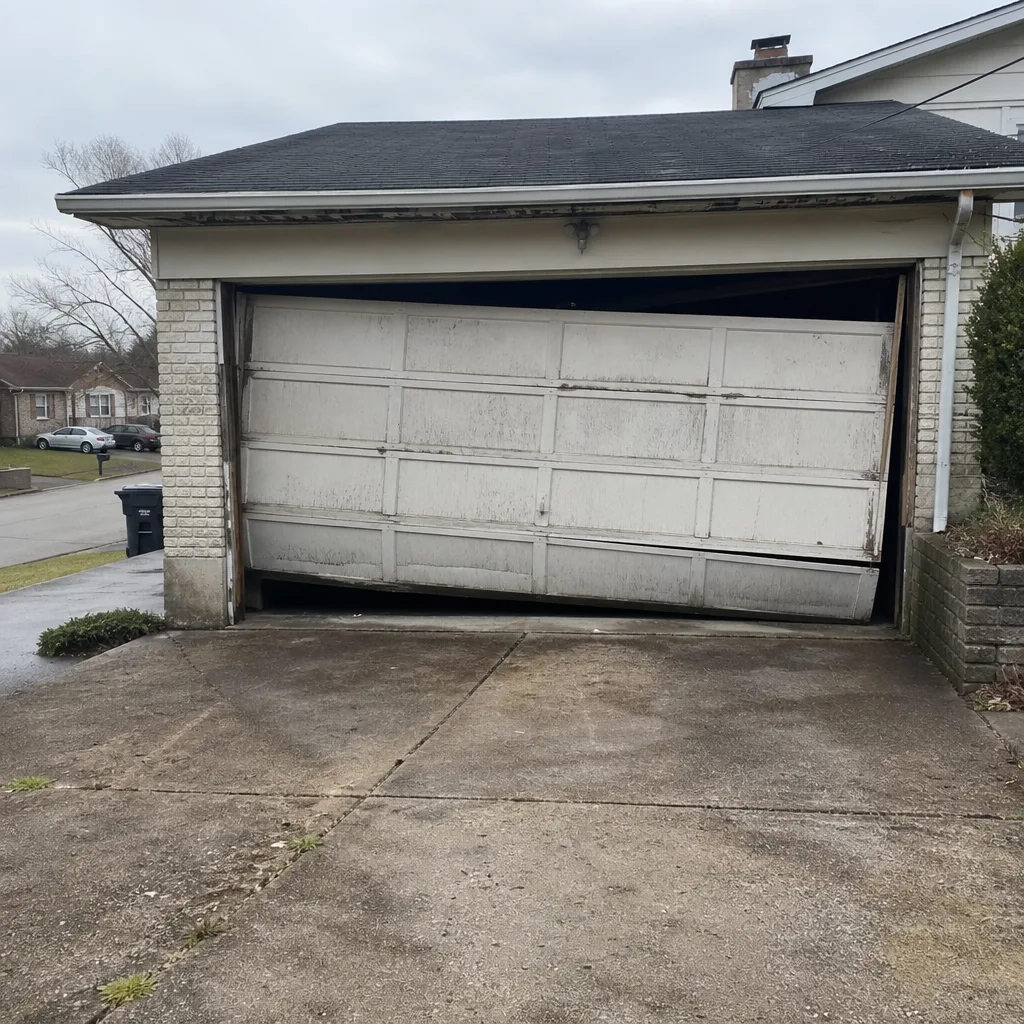 Before
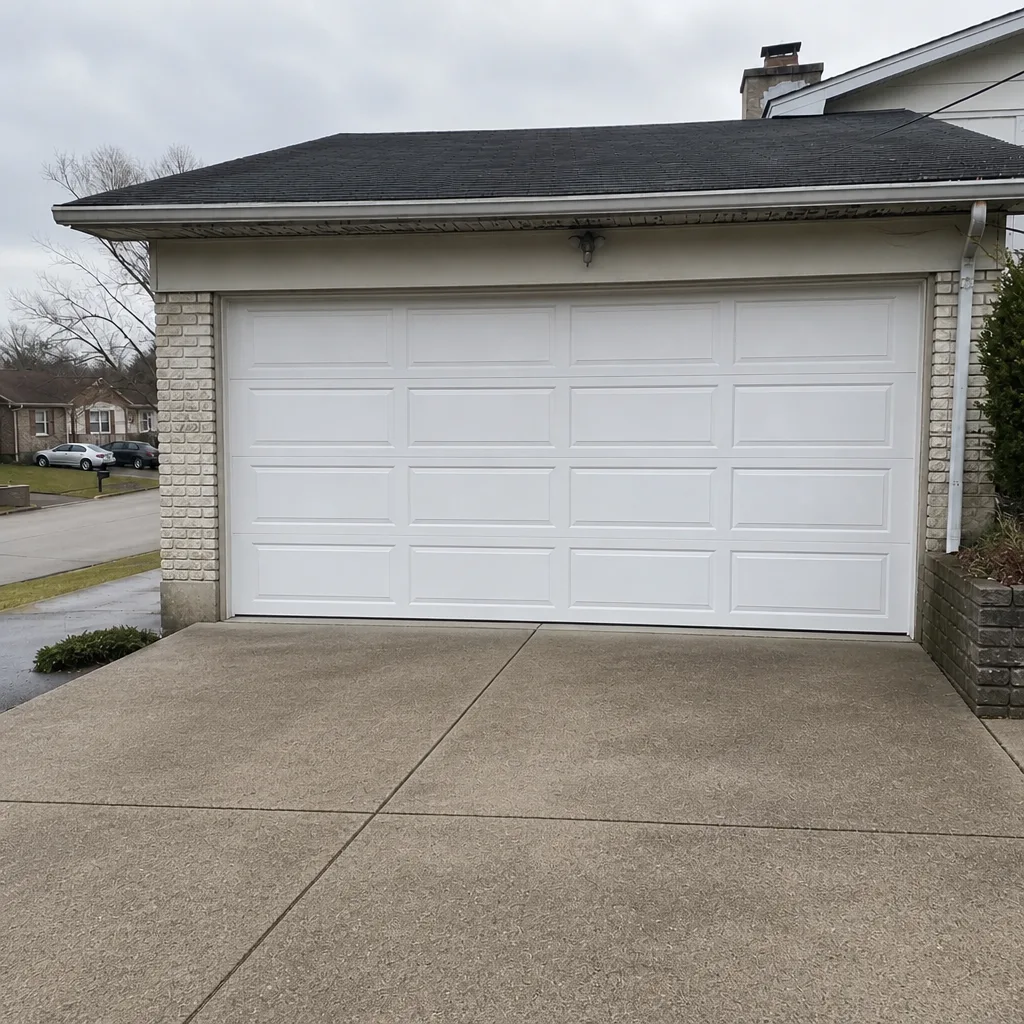 After
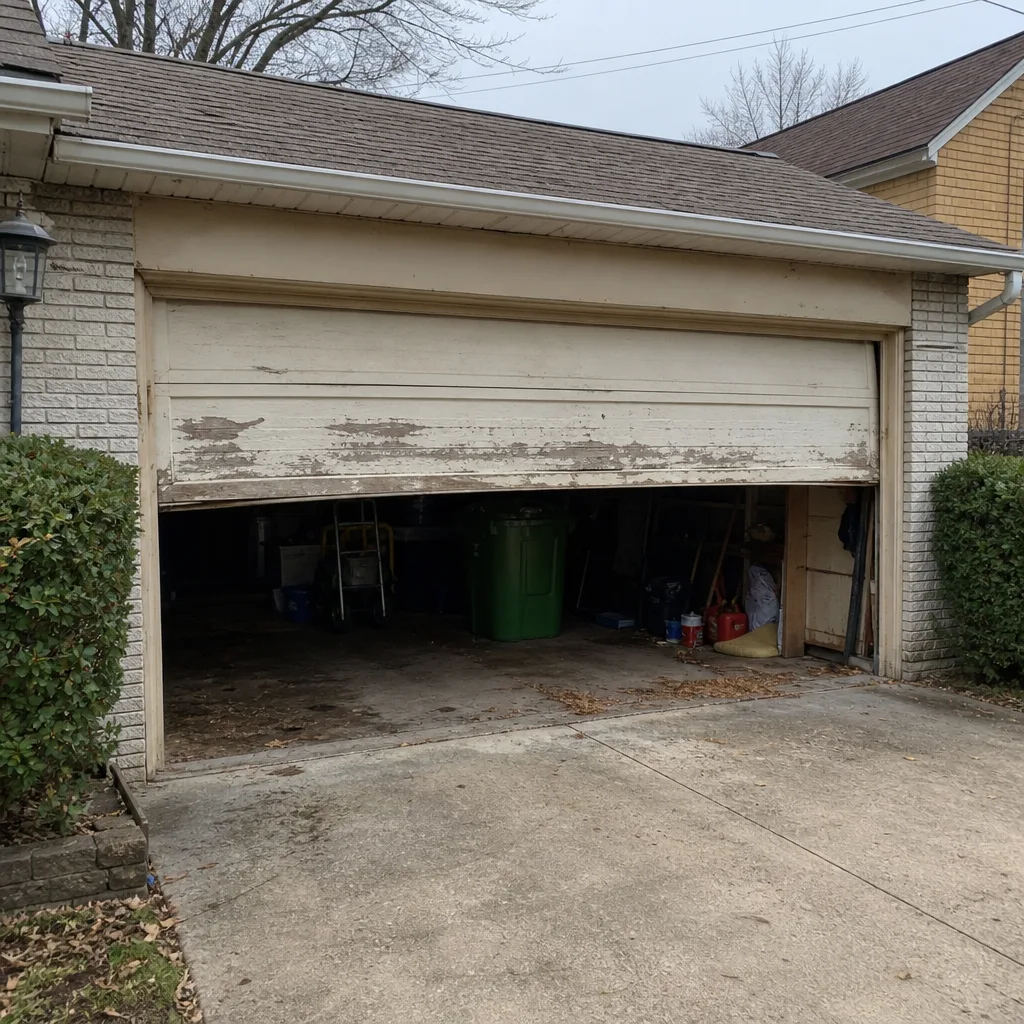 Before
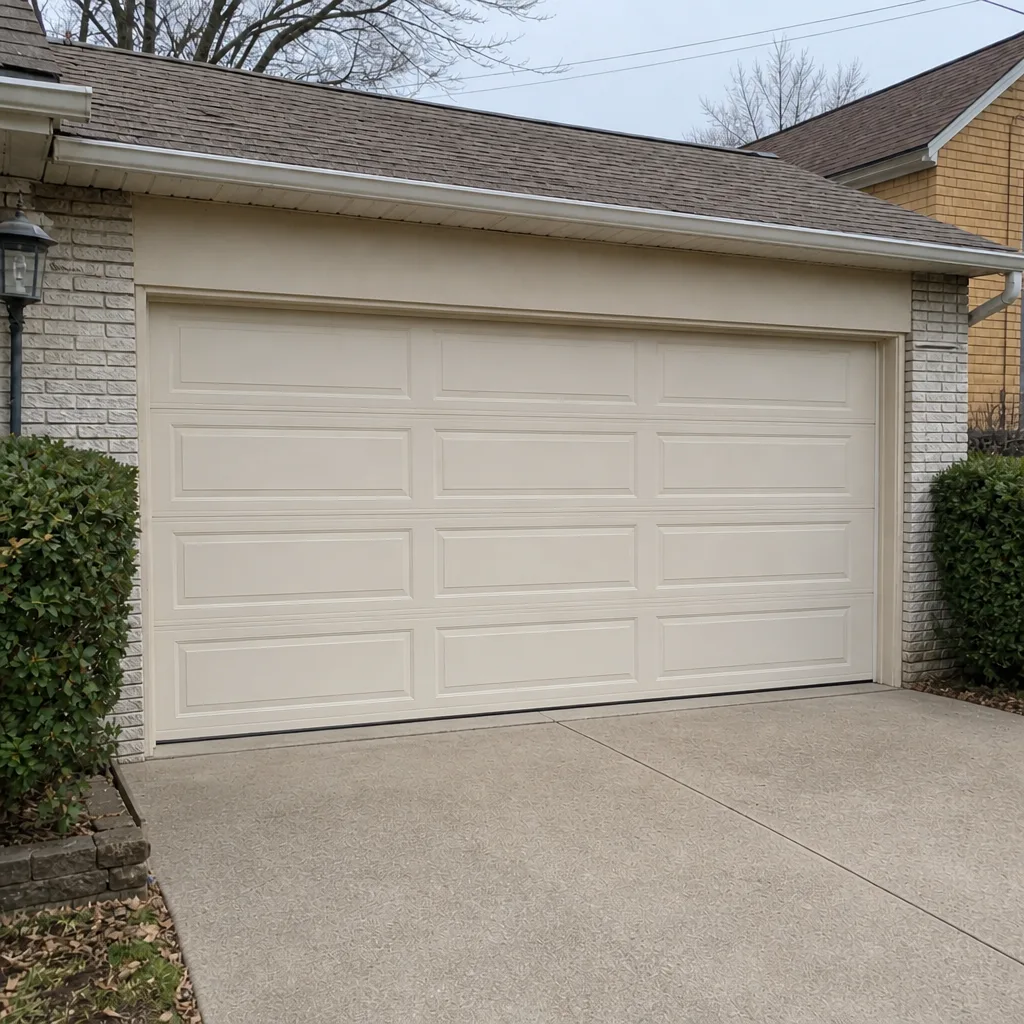 After
When to Call a Professional
Call a professional when the door feels heavy on the way up, when the bottom seal has separated, when the door binds or comes off track, when the opener strains, or when a door is due for replacement and the opening has never been properly measured. Also call when you’re not sure what the symptom means; diagnosis is the job. Springs and torsion assemblies are under extreme load and can cause serious injury if handled without the right tools and training. A trained technician should handle spring, cable and torsion work. Tidewater Garage Door Repair offers free estimates in Pittsburgh. Call (844) 643-1812. We answer 24/7. Fast dispatch from 7am to 7pm, Sunday through Friday. Every price is quoted and agreed before any work starts.
Frequently Asked Questions
Most residential garage doors in Pittsburgh last 15 to 25 years with reasonable care, but the wear pattern is different from national averages. Bottom seals and tracks typically need attention well before the door itself does, and springs often need replacement earlier because of the territory’s freeze-thaw cycle.
Cold steel springs hold less tension, so the door feels heavier on cold mornings. That’s expected behavior, not a fault. If the door fails to open reliably at all, the spring may be undersized for the cold load or nearing the end of its life, and a technician should check the balance.
Installation involves torsion springs, heavy panels and precise measurement, and it’s not a safe job for a homeowner without professional tools and training. The spring assembly in particular is under extreme tension. A professional installation also ensures the door is sized and balanced correctly for the specific opening in your Pittsburgh garage.
Permit requirements can vary by municipality, so the right answer is to ask your city’s building department before you schedule the work. A reputable installer can usually tell you what’s typically needed in your area, but the official answer comes from the building department.
A correctly installed door sits flat with an even seal line, runs smoothly without lurching, and stays where you leave it when lifted by hand with the opener disconnected. Signs of a forced fit include one-sided gaps, rattling, and a door that needs pushing or pulling to close.
We service doors and openers from LiftMaster, Chamberlain, Genie, Clopay, Amarr, Wayne Dalton, Craftsman and Raynor. Our technicians have up to 12 years of experience, and because we work on the brand you already have, we can diagnose the actual fault rather than defaulting to replacement. Call (844) 643-1812 for an estimate.
The Bottom Line
Pittsburgh’s garage doors live in a tougher environment than the one most national guides describe. Freeze-thaw cycling wears the bottom seal, moves the track and changes spring tension in ways that national checklists miss. Older housing stock means openings that aren’t square and headroom that isn’t standard. The right door here is one that was measured to your actual opening, sized for the actual climate load and balanced properly from the first day. If you’ve got a door that’s struggling, diagnosing which of the four main wear points is failing will save you from replacing a door that could have been fixed. If you’re in Pittsburgh and want a technician who knows the brand you have, we can help. Whether you need a repair, a new opener or a full installation, our team can walk you through it. Call (844) 643-1812 for a free estimate. We answer 24/7. Fast dispatch from 7am to 7pm, Sunday through Friday.
Written by the team at Tidewater Garage Door Repair.