
Last updated November 15, 2026
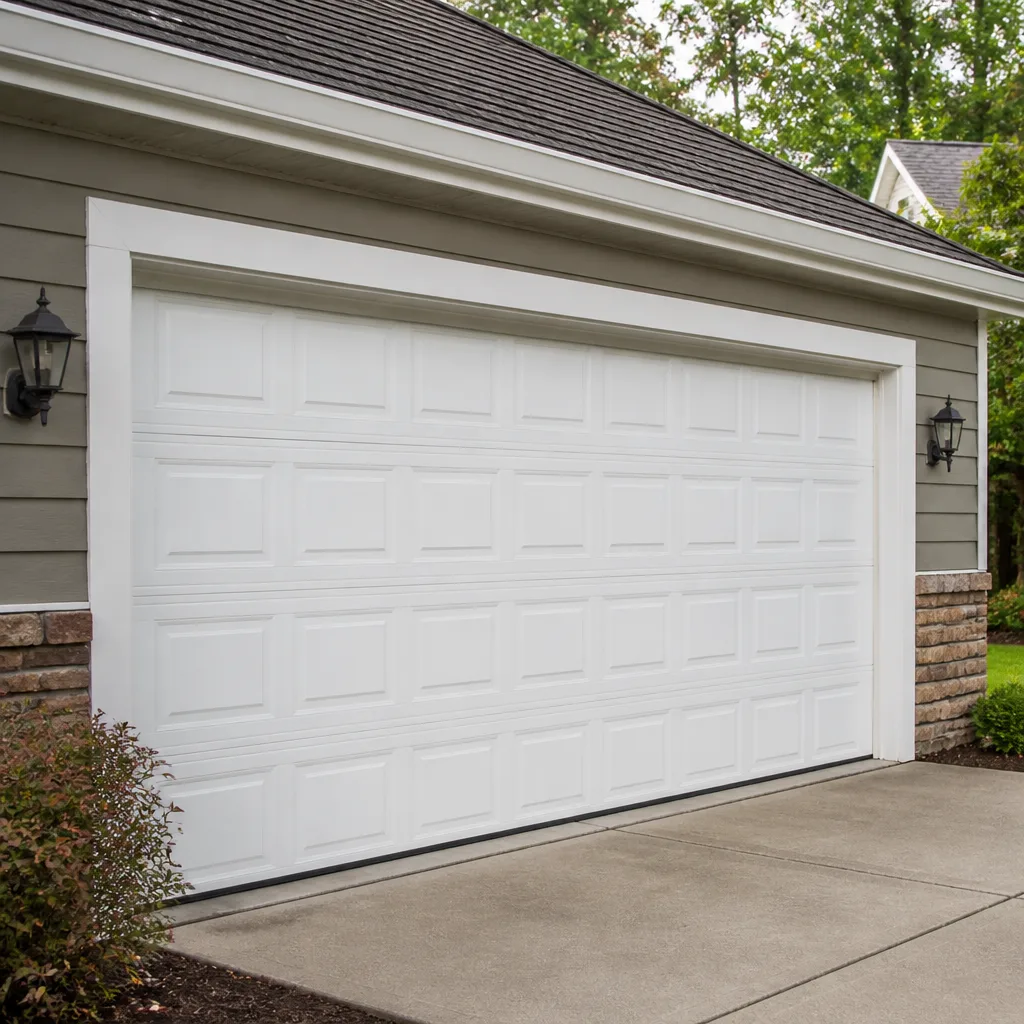 Raised-panel steel
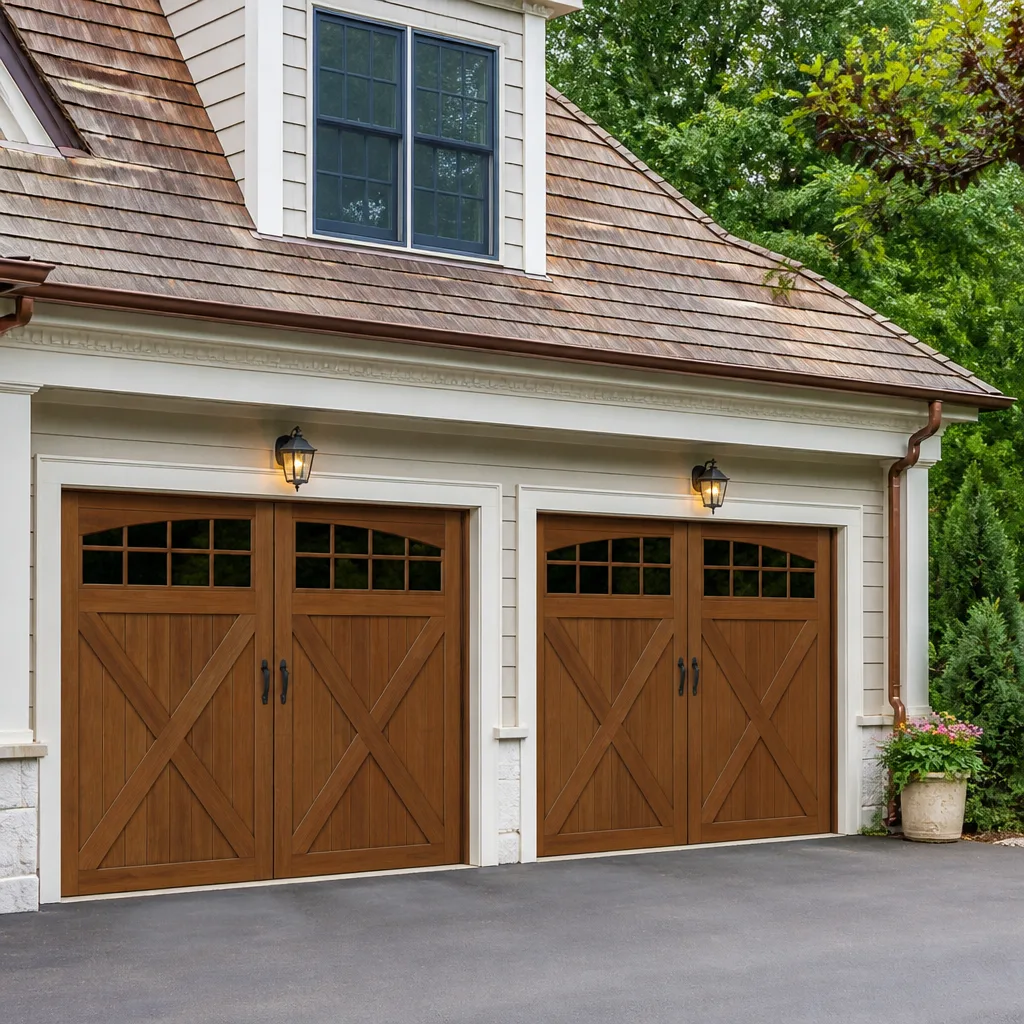 Carriage house
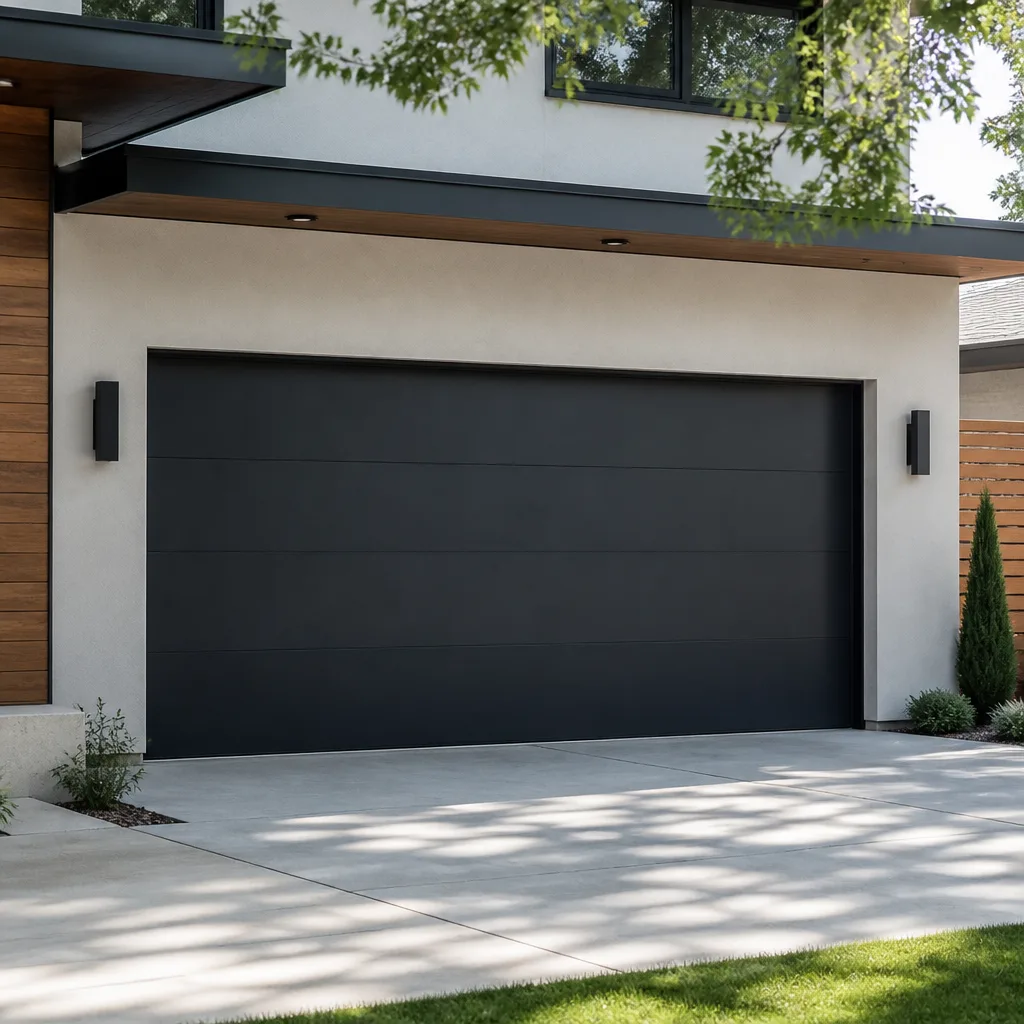 Modern flush
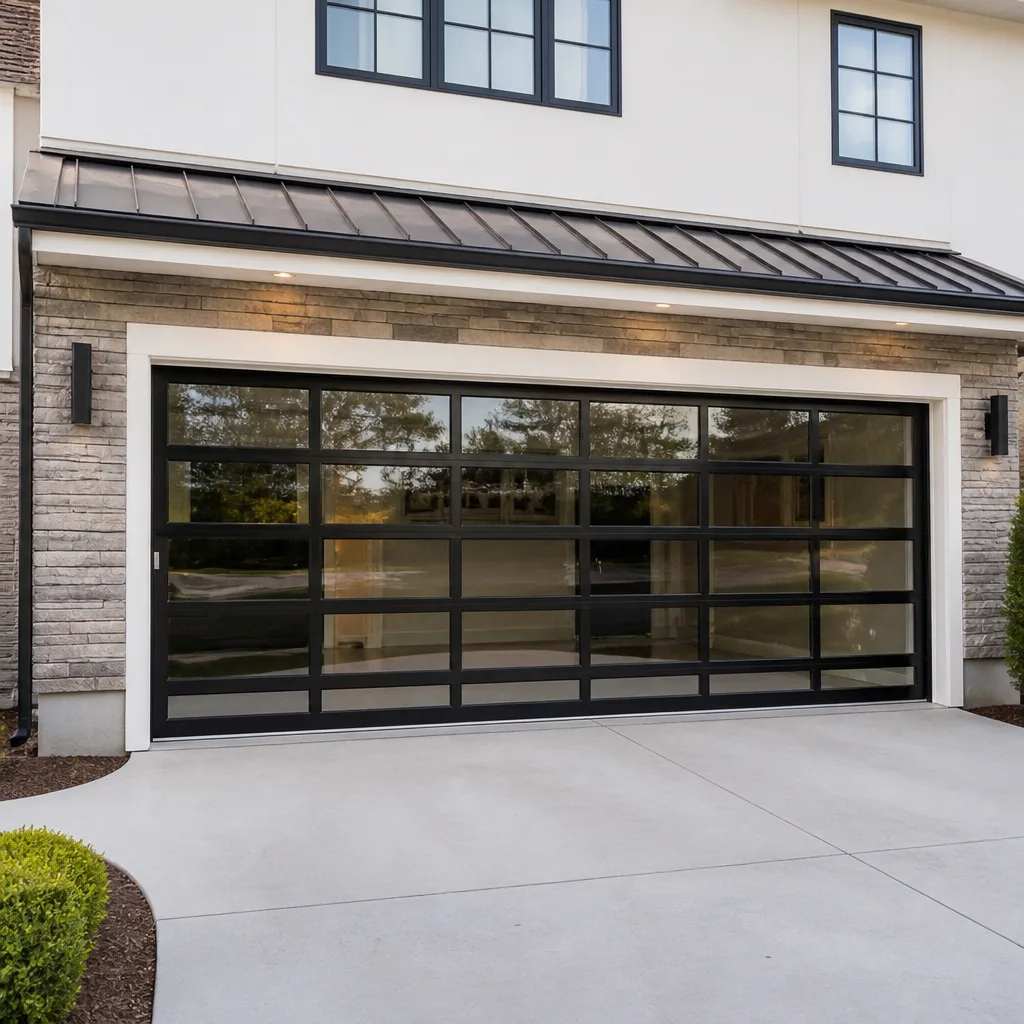 Full-view glass
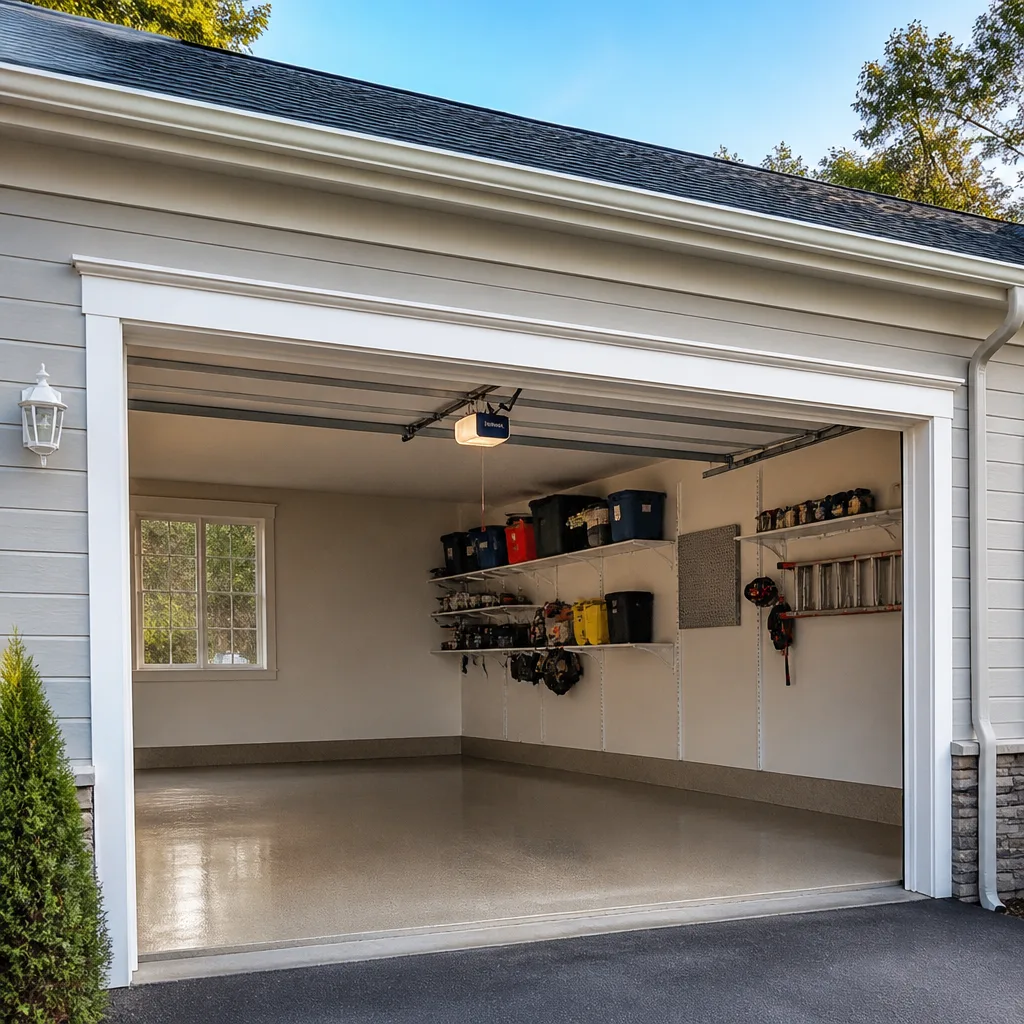 LiftMaster openers
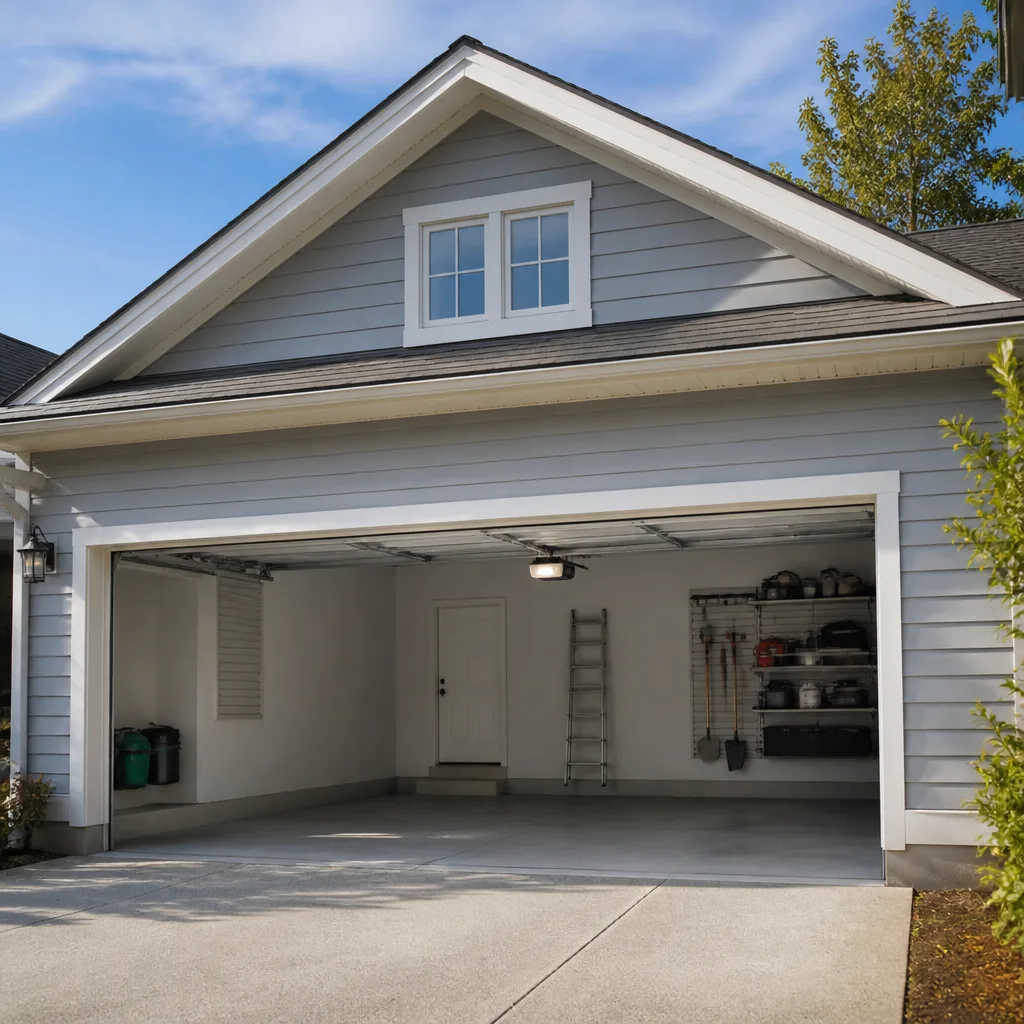 Chamberlain openers
Full 25-point door and opener safety check with every visit - springs, cables, rollers, tracks, and your LiftMaster or Chamberlain opener included
You get a price before we start. It does not change when the pro arrives.
Get your free estimateSeasonal Garage Door Care for Pittsburgh: Year-Round Homeowner’s Guide
Pittsburgh’s January freeze doesn’t break garage doors. The neglect from November does. Most of the failures that strand homeowners in the dead of winter were set in motion weeks earlier, when fall maintenance got skipped or handled in the wrong order. The same holds true the rest of the year. This region hands a garage door four genuinely distinct mechanical threats – frost heave in spring, humidity swelling in summer, freeze prep in fall, salt-driven corrosion in winter – and treating seasonal care as one annual chore instead of four targeted interventions is exactly why so many local doors quit at the worst possible moment. In this guide, we’ll walk through what each Pittsburgh season actually does to your door and opener, and what to do about it.
Styles & brands we work with
- Raised-panel steel
- Carriage house
- Modern flush
- Full-view glass
- LiftMaster openers
- Chamberlain openers
Quick Answer
Seasonal garage door care in Pittsburgh means four separate maintenance passes across the year, not one: a spring check for frost-heave track misalignment, a summer check on humidity-related panel swelling and spring load, a fall sequence that balances the springs before lubricating the hardware, and a winter focus on road-salt corrosion. Between every season change, test your opener’s auto-reverse sensitivity, because that setting drifts with temperature and it’s a safety matter, not just a maintenance checkbox.
Table of Contents
- Why Pittsburgh Needs Four Separate Seasonal Checks
- Spring: Undoing Winter’s Frost Heave Before Summer Heat Arrives
- Summer: How Humidity Loads Your Door Differently
- Fall: The Pre-Winter Prep Sequence (Order Matters)
- Winter: Road Salt, Corrosion, and What It Attacks First
- Between Every Season: The Auto-Reverse Test
- Brand-Specific Care Notes for Common Pittsburgh Doors
- Common Mistakes to Avoid
- When to Call a Professional
- Frequently Asked Questions
- The Bottom Line
Why Pittsburgh Needs Four Separate Seasonal Checks
A garage door is a balanced mechanical system, and every part of that system responds to temperature and moisture. In a climate with four hard seasonal swings, those parts don’t age at the same rate. The springs, cables, and opener motor are reacting to one set of conditions while the panels, tracks, and hardware are reacting to another. Treat the door as a single annual task and you’ll miss the window when a specific component is most vulnerable.
Pittsburgh’s freeze-thaw cycles are the engine behind most of this. Ground that swells and settles repeatedly moves the slab under your door, and the tracks follow. Summer humidity acts on wood and composite panels, making them heavier and shifting how much work the springs and opener do. Winter road salt doesn’t stay on the street – it gets tracked onto the garage floor and into the air as fine dust, and it goes after bare metal first. Each of these is a specific, addressable problem if you catch it on its own schedule.
Here’s the split we recommend in our experience across the region:
- Spring – check and correct track alignment after winter movement.
- Summer – watch for panel swelling and a spring load that feels heavier than it did in cooler weather.
- Fall – do the winter prep sequence in the correct order (springs first, then lubrication).
- Winter – slow corrosion from road salt without over-lubricating.
- Every transition – test auto-reverse sensitivity.
That’s the whole framework. The rest of this guide is the detail behind each one, and how it applies when you’re dealing with a garage door repair decision versus routine care.
Spring: Undoing Winter’s Frost Heave Before Summer Heat Arrives
Frost heave is the reason spring is the most important check of the year. When the ground freezes and thaws repeatedly through a Pittsburgh winter, the soil under and around your garage slab expands and settles. The slab moves, and the door tracks bolted to it move with it. A track that’s out of alignment by even a small amount forces the rollers to bind, which loads the opener motor and puts uneven stress on the panels. Leave it and the door works harder than it should all summer.
What to check once the ground has settled and before the first hot stretch:
- Look down the tracks from the door opening. Sight along each vertical track. It should look straight and parallel to the door edge. A visible bend, gap, or bow at the bottom is a frost-heave signal.
- Open and close the door slowly and listen. Grinding, scraping, or a rhythmic thump means something is out of line or a roller is worn.
- Check the gap at the floor. If the bottom seal no longer sits flat across the width of the door, the slab or the door has shifted.
- Watch the door track through its travel. The rollers should stay seated in the tracks the whole way. If they ride up on a bend, stop and get it looked at.
Tracks that are only slightly out of line can often be brought back into alignment, but a bent track or one that’s pulled loose from the slab needs proper attention before the summer expansion cycle locks the misalignment in. Trying to force a track back into place by hand can crack the panel edge or kink the metal, so if it’s more than a light adjustment, call it in. Our technicians have up to 12 years of experience reading these alignment symptoms, and it’s the kind of thing that’s quick to diagnose in person. Call (844) 643-1812 for a free estimate on any alignment work.
Summer: How Humidity Loads Your Door Differently
Summer humidity changes the weight of your door. Wood and composite panels absorb moisture from the air, and a humid Pittsburgh July can swell a wood panel enough to change how the door moves. That swelling does two things: it adds weight the springs weren’t balanced to carry when the door was installed, and it can make the panels bind against each other or against the tracks. The opener ends up working harder than it did in spring, and the springs finish their cycle under a heavier load than the manufacturer designed the door for in dry conditions.
The tricky part is that the weather that causes it also masks it. A door that feels heavy in humid weather may feel fine again in fall, so the problem never gets noticed – it just wears the opener and springs a little faster each summer. Here’s what we watch for:
- A door that feels heavier to lift by hand (opener disconnected) than it did in cooler months.
- Panels that rub or stick when the door starts to rise – a sign of swelling against the frame or tracks.
- The opener straining or running longer on the way up than it does on the way down.
- A gap that opens at the bottom seal as panels swell and settle.
Humidity-driven movement isn’t something you fix by tightening things. If the door is genuinely binding, the fix is usually to address alignment and the balance first, then deal with the panel swelling as a separate issue. And when an opener is laboring under a load it wasn’t designed for, that’s where garage door opener repair starts – the electronics and motor are telling you something the panels can’t. We service LiftMaster, Chamberlain, Genie, and Raynor systems regularly and know how each one behaves under this kind of seasonal load. Call (844) 643-1812 for a free estimate if your door hesitates in July.
Fall: The Pre-Winter Prep Sequence (Order Matters)
This is the section most people get wrong, and it’s the one that determines whether your door fails in January. The order of fall prep matters, because each step depends on the state the door is in after the previous one. Do them out of order and you’ll miss the most important problem.
Do these steps in this exact order:
- Test the balance first. Disconnect the opener (pull the release cord with the door closed), then lift the door by hand to about halfway and let it go. A properly balanced door stays put. If it falls or rises on its own, the springs are out of balance – and that’s the problem you have to solve before anything else. A door that isn’t balanced will fight every other adjustment you make for the rest of the winter.
- Inspect springs, cables, and rollers. Look for rust, fraying, kinks, or broken strands. Springs and cables under tension are dangerous and should be left to a trained technician, but visible damage is worth reporting.
- Check the tracks and hardware for loosening. Bolts and brackets that have worked loose through the summer get tightened now, before the freeze locks everything in place.
- Lubricate last. Lubricate the moving parts – rollers, hinges, the spring coils where appropriate, and the tracks – only after the balance check, the spring and cable inspection, and the hardware check are done. If you lubricate first, a problem in the spring or balance hides under fresh grease and you won’t catch it before winter.
- Test auto-reverse. Finish by checking the safety reverse at the door’s bottom edge, which we cover in detail below.
Why springs before lubrication? Because a door that isn’t balanced is carrying a load it shouldn’t, and lubrication only makes it move more freely – it doesn’t fix the load. A lot of premature winter failures we see start with a door that was lubricated, looked fine, and was never actually balanced. If the balance test fails, get the springs looked at before winter. Our team handles that as part of garage door repair across the area, and the estimate is free.
Winter: Road Salt, Corrosion, and What It Attacks First
Pittsburgh winters put road salt on the streets and, unavoidably, in your garage. Cars pull in with salt-laden slush on the tires and undercarriage, it melts on the floor, and as it dries it becomes fine salt dust that settles on everything. That dust goes after bare or thinly protected metal first: hinges, roller stems, track fasteners, the bottom brackets, and any exposed spring hardware. Corrosion there is slow but relentless, and once it starts in a moving part it accelerates.
What salt attacks first, in order:
- Hinges and roller stems – small parts, frequently moving, exposed metal.
- Track fasteners and bottom brackets – low on the door where salt dust settles.
- Spring hardware and the torsion bar – especially if the finish is already compromised.
- Panel seams – where moisture and salt collect and sit.
How to slow it without over-lubricating: The temptation is to load everything up with grease. Don’t. Excess lubricant traps salt dust and grit, which turns into an abrasive paste that wears moving parts faster than dry metal would. Clean the lower hardware, wipe down salt residue, and apply a thin, appropriate lubricant to the hinge pivot points and roller stems – nothing more. Keep the garage floor reasonably clear of standing slush where you can, and check the bottom seal and brackets after the heaviest road-salt weeks. Over-lubricating in winter is one of the easiest ways to trade a corrosion problem for a wear problem.
If you notice rust already taking hold on hinges or the bottom brackets, that’s worth addressing before it spreads to the hardware around it. Call (844) 643-1812 for a free estimate on hardware replacement and we’ll tell you whether it’s a cleaning-and-lubricating job or a part swap.
Between Every Season: The Auto-Reverse Test
Auto-reverse sensitivity is the task that belongs between every season change, not once a year, and it’s a safety issue first and a maintenance issue second. Your opener’s auto-reverse mechanism is designed to send the door back up when it meets an obstruction. That setting drifts with temperature – it can become less sensitive in cold weather and oversensitive in heat – so a test that passed in October may not pass in February. Every opener brand we service, from LiftMaster and Chamberlain to Genie and Raynor, has its own sensitivity adjustment, and the underlying need to re-check it is universal.
How to test it safely:
- Test the contact reverse. Place a solid object at the door’s bottom edge – a piece of wood or a firm box – and close the door with the wall control. The door should reverse on contact and return to open. If it doesn’t, stop using the opener until it’s fixed.
- Test the non-contact (photo-eye) reverse. With the door fully open, break the beam between the two sensors at the bottom of the tracks. The door should not close while the beam is broken. If it closes anyway, the sensors need attention.
- Repeat at the next season change. Do both tests again when the weather shifts. Temperature drift is normal; ignoring it isn’t.
If the door fails either test, don’t rely on it until it’s corrected. This is one of the clearest cases where the fix belongs with someone who knows your opener’s specific adjustment procedure – it’s a garage door opener repair item, not something to force. We answer 24/7, and if your door won’t reverse safely you can call us at any hour to get it scheduled.
Brand-Specific Care Notes for Common Pittsburgh Doors
Seasonal care isn’t identical across brands, and knowing what you own helps you anticipate which parts you’ll be looking at first. We work on eight major door and opener brands – LiftMaster, Chamberlain, Genie, Clopay, Amarr, Wayne Dalton, Craftsman, and Raynor – and we’ve learned each one’s seasonal tendencies.
- Raynor doors are common on older Pittsburgh homes, and their hardware can be more sensitive to a decade of freeze-thaw track movement. Spring balance checks on Raynor doors are especially worth doing before winter.
- LiftMaster and Chamberlain openers share a lot of design DNA, and their auto-reverse sensitivity adjustment is a familiar one for our technicians. The same is often true of older Craftsman units.
- Genie openers have their own logic and motor characteristics, and seasonal temperature drift can show up differently in how they respond to load.
- Clopay and Amarr doors with wood or composite panels are the ones to watch in a humid summer, since that’s where swelling changes the door’s weight and load.
This is where brand familiarity saves guesswork. The right diagnosis depends on knowing which manufacturer’s hardware you’re working on and how it behaves in Pittsburgh’s four seasons, and that’s what we do – diagnose first, then replace only if replacement is the answer. Tidewater Garage Door Repair works on what you already own, not just what’s easiest to stock.
If you’d like to know what kind of door and opener you have before doing any seasonal check, take a minute to find the manufacturer’s label on the door panel and the opener housing. It’s a small step that makes every maintenance call and every professional inspection faster. And if you’re a property manager responsible for several doors, knowing the brand of each one up front is the single easiest way to keep the seasonal schedule on track across a whole portfolio.
Common Mistakes to Avoid
We’ve seen a lot of well-intentioned seasonal care that did more harm than good. Here’s what to skip:
- Lubricating before balancing. Adding grease first hides a spring or balance problem under fresh lubricant. Test the balance first, every fall.
- Over-lubricating in winter. Excess grease traps salt dust and grit, and the abrasive paste that forms wears hinges and rollers faster than leaving them dry would.
- Forcing a bent track back into place by hand. A frost-heave-bent track that you muscle back can crack a panel edge or kink the metal. A light adjustment is fine; a real bend needs a trained eye.
- Skipping the auto-reverse test because it passed last time. Temperature drift makes last season’s pass meaningless this season. Test it again every change.
- Assuming the door is “fine” in summer because it still opens. A humid-season door that works but feels heavier is quietly wearing the opener and springs all summer. Notice the change, don’t ignore it.
- Ignoring a gap at the floor seal in spring. A bottom seal that no longer sits flat means the slab or the door has moved. Fix the alignment before it stresses the panels all year.
- Treating fall as one task. The order matters – balance, then inspect, then tighten, then lubricate. Doing it as a single blur is how doors fail in January.
When to Call a Professional
Some seasonal checks belong in your hands. Others should stay with a trained technician. Call for help when: the balance test fails and the door won’t hold its position; a spring or cable is broken, frayed, or visibly damaged (never touch these yourself – springs and cables are under high tension and a wrong move can seriously injure you); a track is bent or pulled loose from the slab; the door fails either auto-reverse test; the opener strains, clicks, or won’t respond consistently; or the door is fighting the tracks in summer humidity. These are the cases where guessing costs more than diagnosing.
In Pittsburgh, we offer free estimates on all of these. Tidewater Garage Door Repair diagnoses across the leading brands so you get the right fix instead of an unnecessary replacement – our technicians have up to 12 years of experience with the systems most local homes already have. Call (844) 643-1812 for a free estimate. We answer 24/7. Fast dispatch from 7am to 7pm, Sunday through Friday, and we’re closed Saturday.
Frequently Asked Questions
Four times a year, with a specific task tied to each season: a spring alignment and frost-heave check, a summer humidity and load check, a fall pre-winter prep sequence, and a winter salt-and-corrosion check. Between each change, retest auto-reverse sensitivity. The four-pass schedule is what Pittsburgh’s climate actually asks for.
Because lubrication doesn’t fix a balance problem, and if you lubricate first, the imbalance hides under fresh grease. A door that isn’t balanced spends the whole winter fighting its own springs and wearing the opener. Test balance, then springs and cables, then hardware, then lubricate last.
Frost heave moves the slab your door is mounted to, and the tracks move with it. That misalignment makes rollers bind and the door fight the tracks, loading the opener and panels all year. Sight down the tracks in spring before summer heat sets the problem in.
Salt gets tracked in and becomes fine dust that settles on bare metal – hinges, roller stems, brackets, and spring hardware first. It causes slow corrosion that accelerates once it starts. Clean and lightly lubricate the lower hardware, and don’t over-grease, which traps the salt dust.
No. Garage door springs and cables are under high tension, and an incorrect move can cause serious injury. Visible damage is worth reporting, but leave spring and cable work to a trained technician. Call (844) 643-1812 for a free estimate on spring repair.
Eight major brands: LiftMaster, Chamberlain, Genie, Clopay, Amarr, Wayne Dalton, Craftsman, and Raynor. That brand knowledge matters for seasonal care, because each system has its own quirks in how it responds to temperature and humidity. Call (844) 643-1812 for a free estimate on your specific door.
The Bottom Line
Pittsburgh’s four seasons create four separate mechanical threats, and one annual maintenance pass misses three of them. Spring is for undoing winter’s frost heave and checking track alignment. Summer is for watching humidity-driven panel swelling and spring load. Fall is the winter prep sequence, in order: balance, inspect, tighten, lubricate. Winter is for slowing road-salt corrosion without over-lubricating. And between every season, test auto-reverse, because that setting drifts with temperature and it’s a safety matter. Do those four checks on their own schedule and your door quits at the worst moment far less often. When one of them turns up something you shouldn’t handle yourself, call (844) 643-1812 for a free estimate. We answer 24/7. Fast dispatch from 7am to 7pm, Sunday through Friday.
Written by the team at Tidewater Garage Door Repair.
See the difference
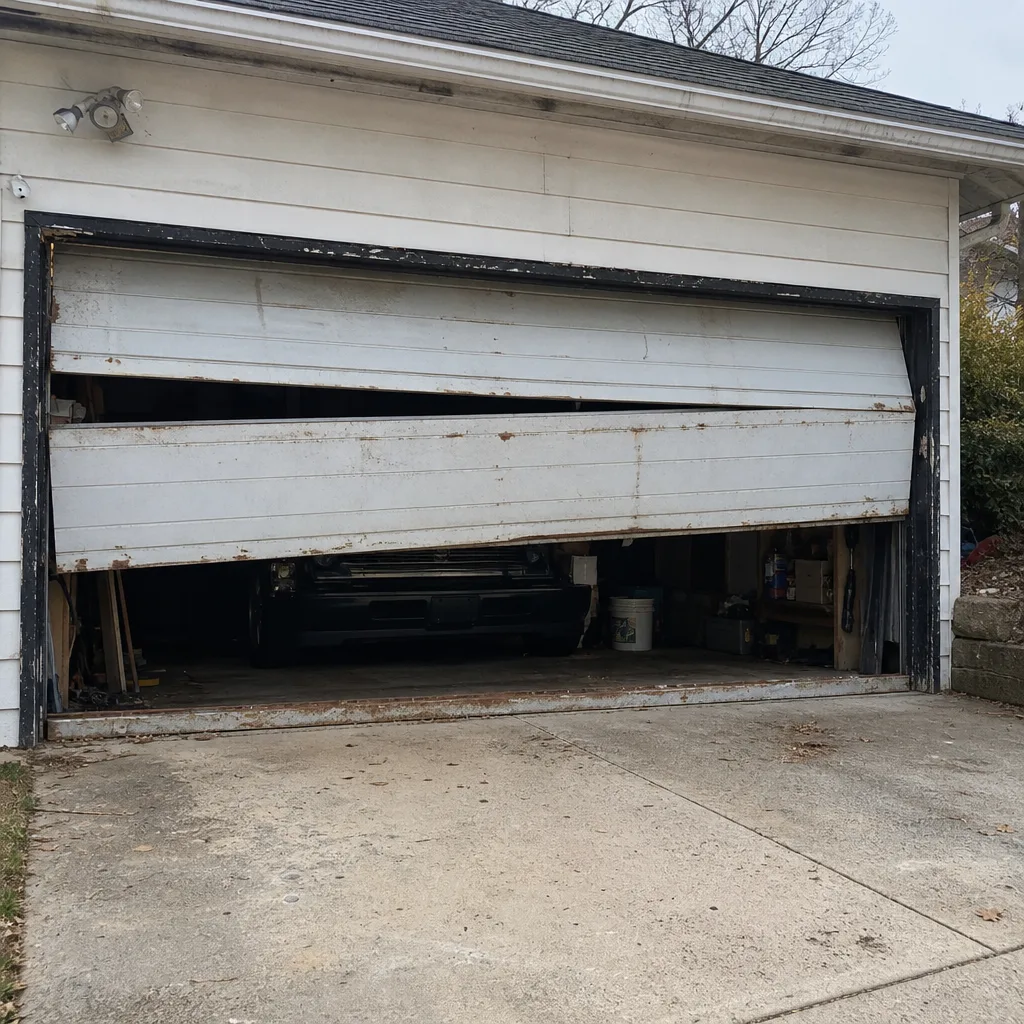 Before
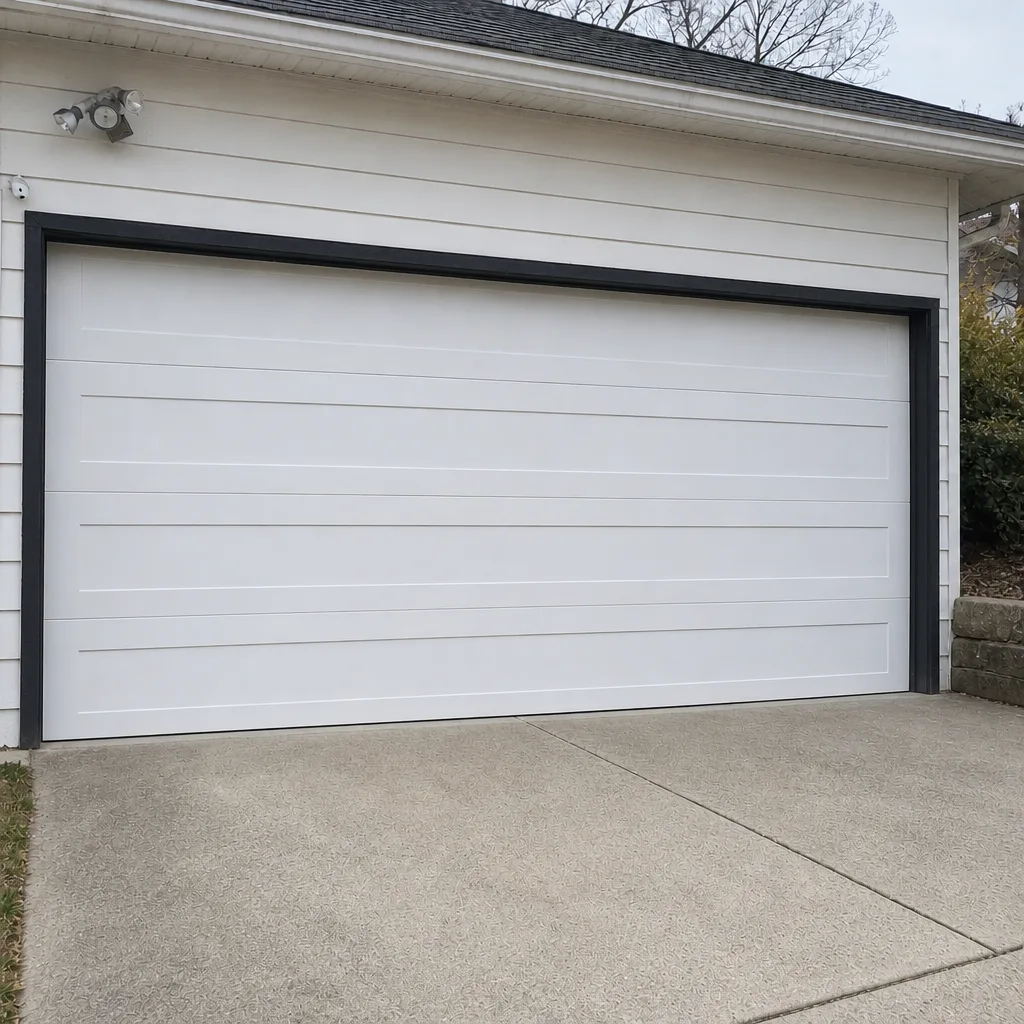 After
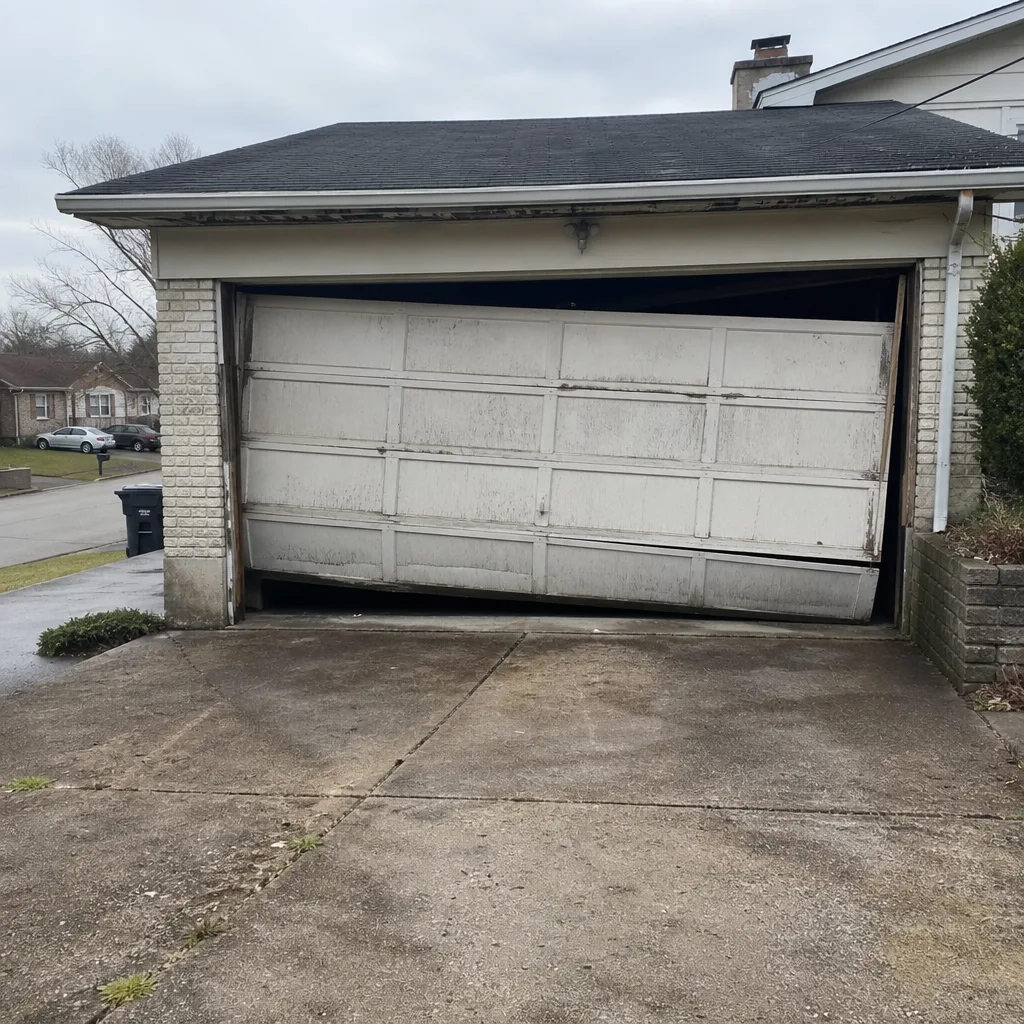 Before
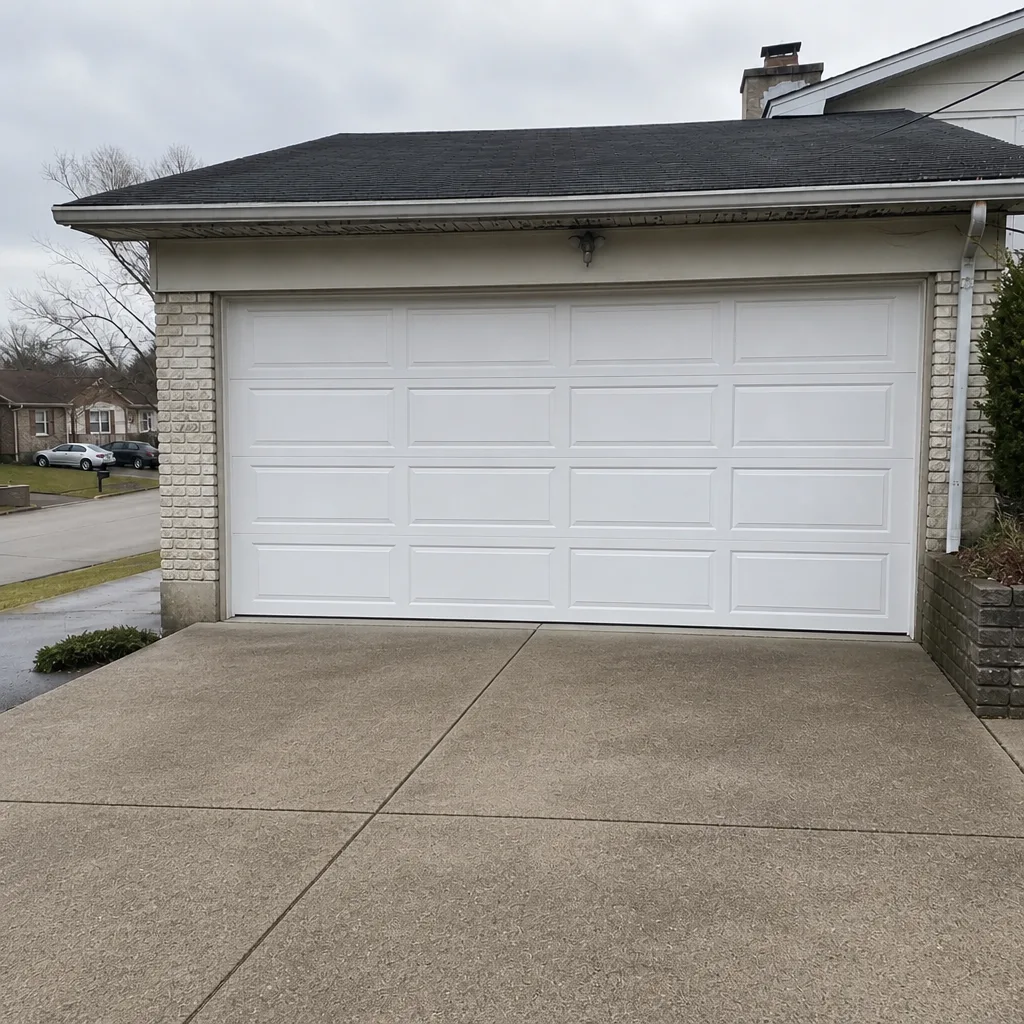 After
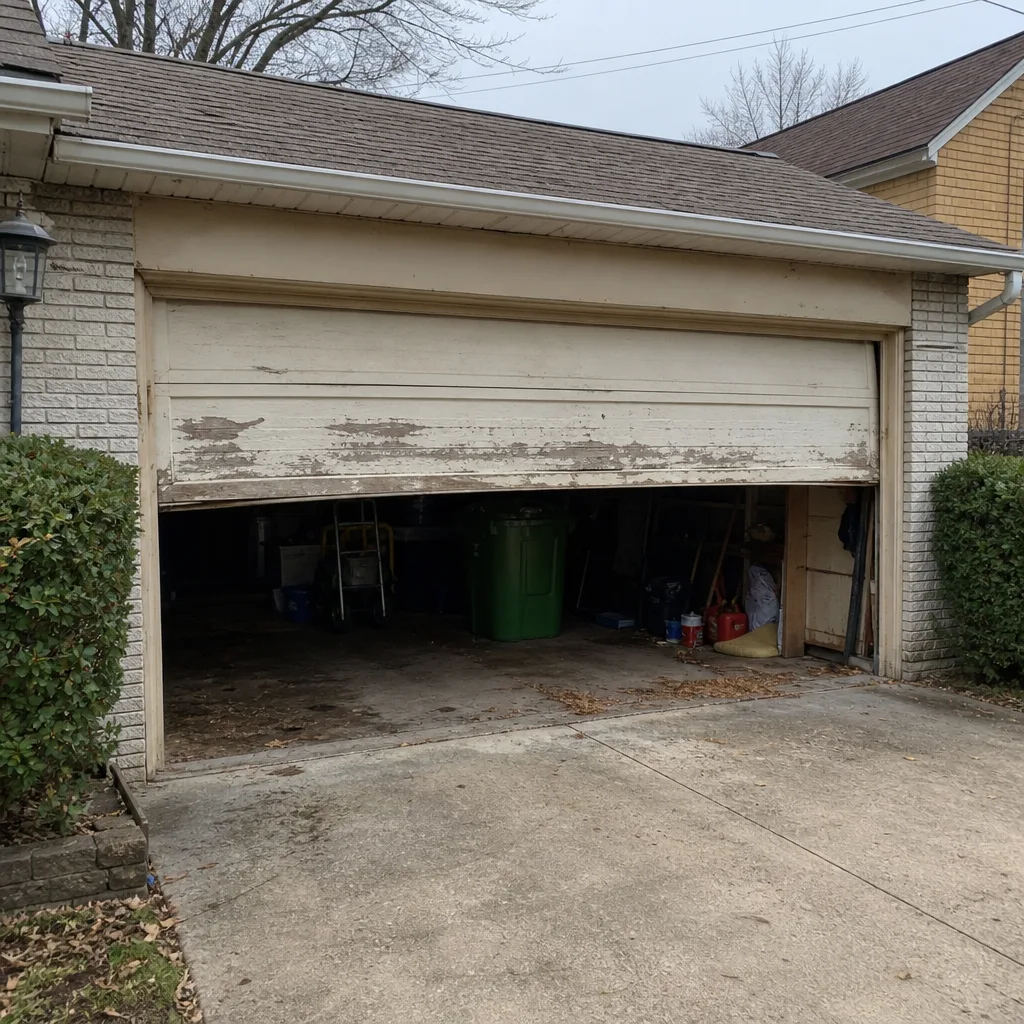 Before
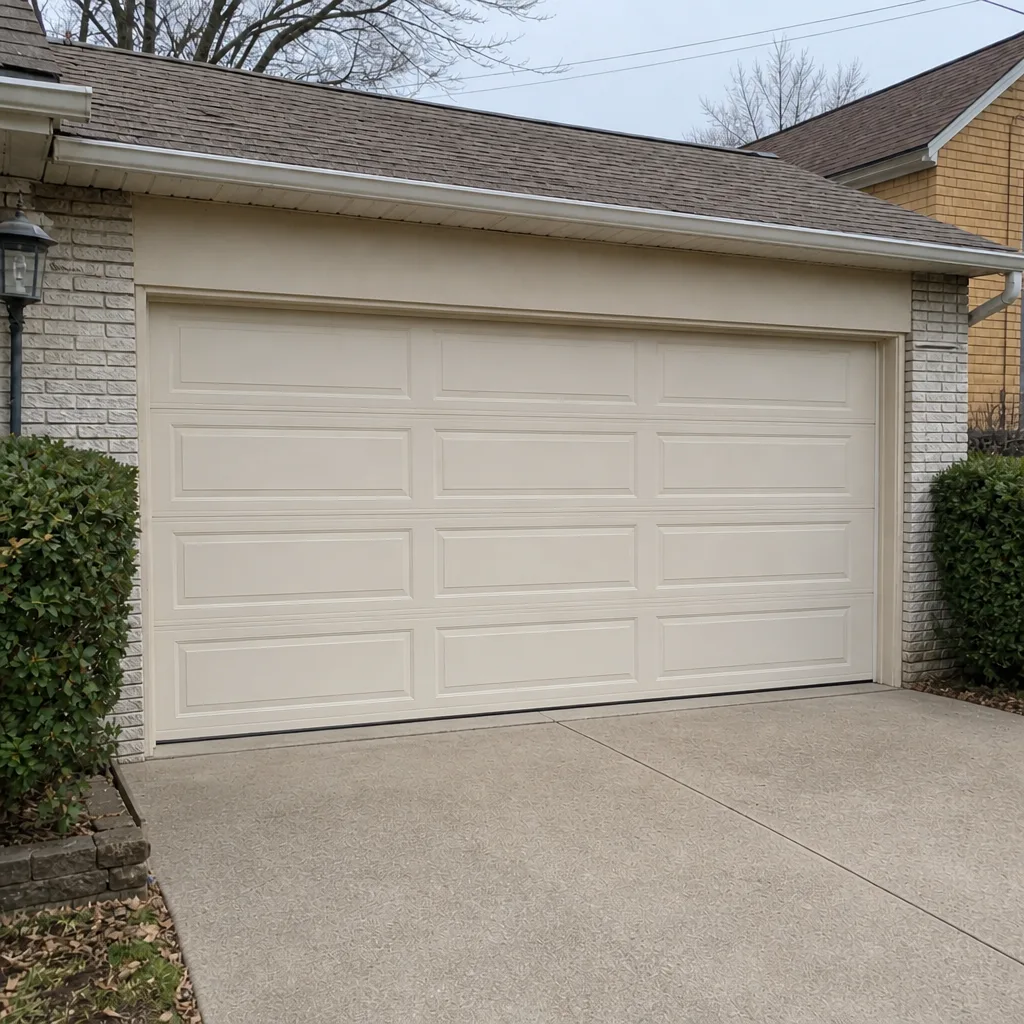 After